
'A Night in Africa' challenges the single story of a continent
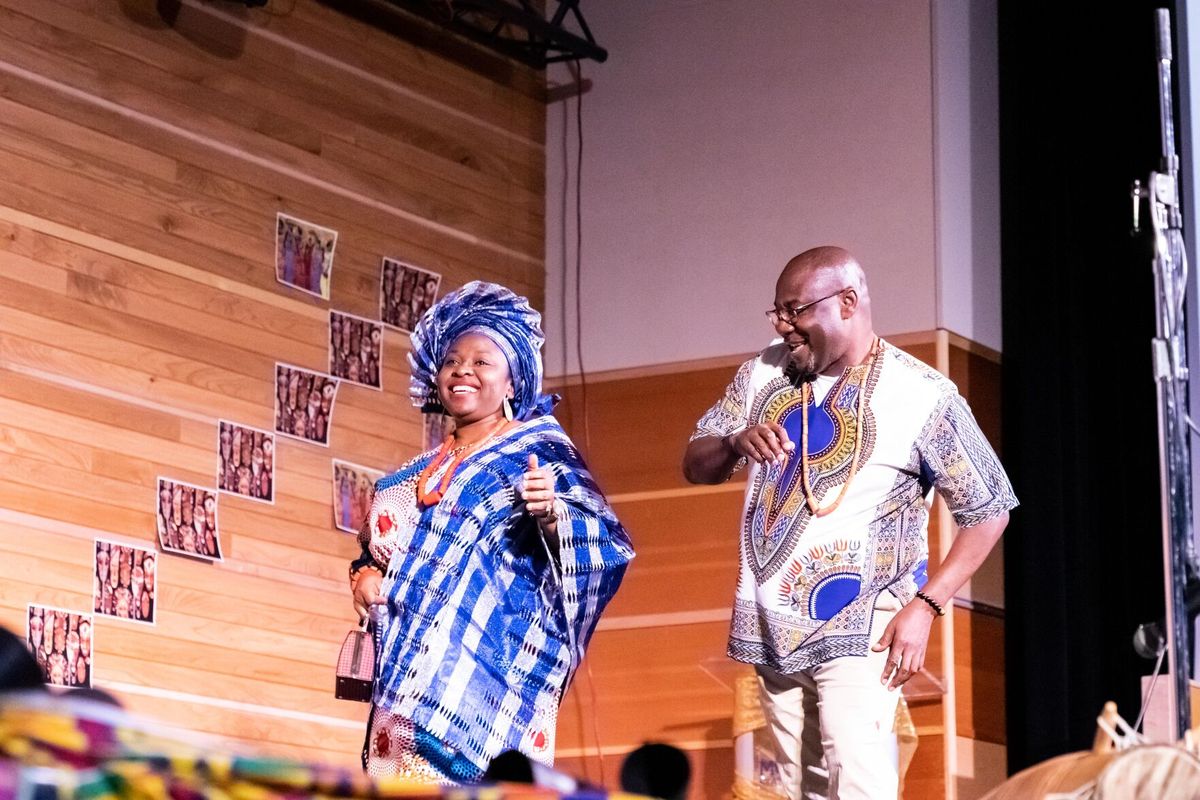
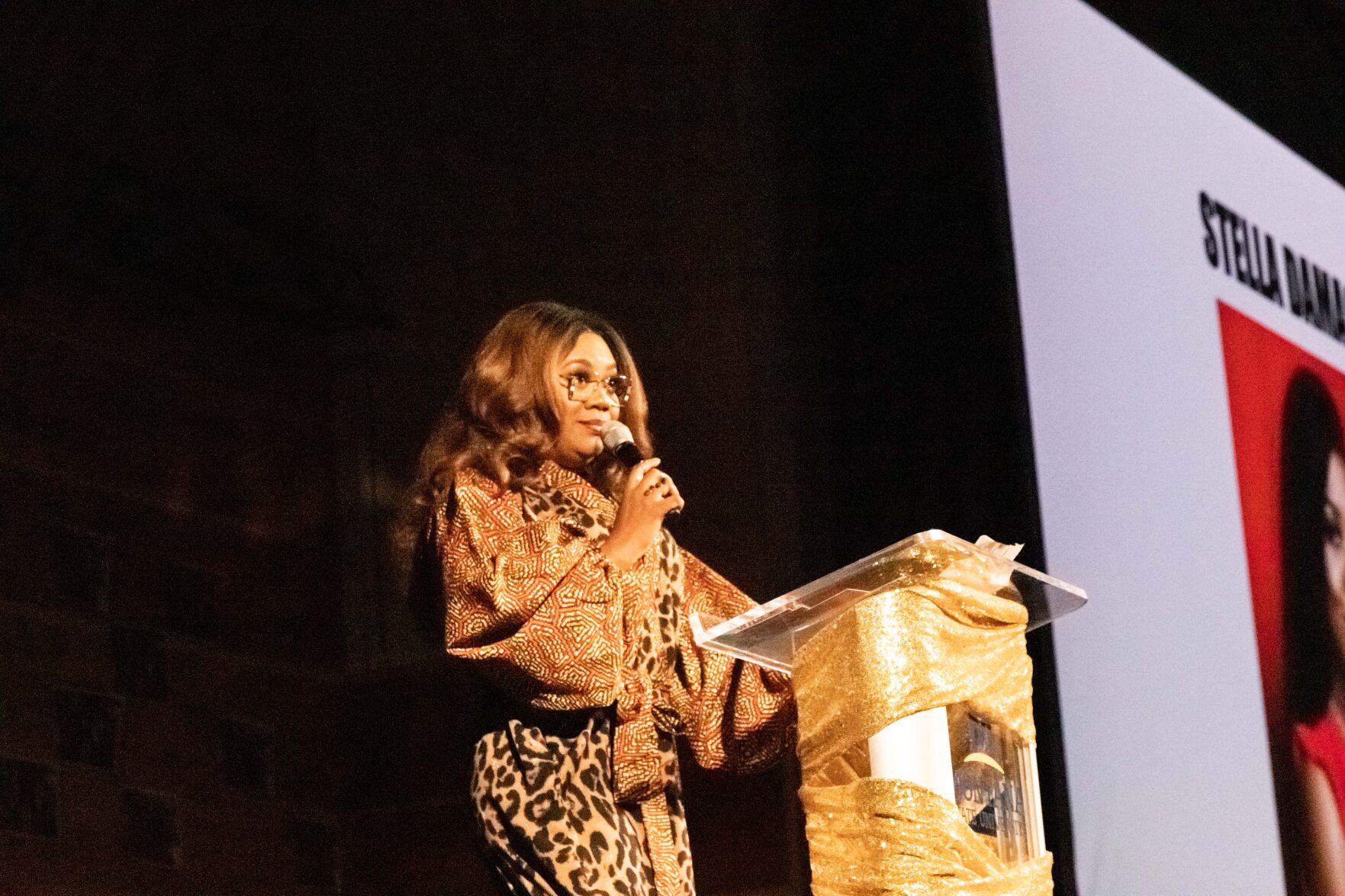
“What is the African dream?” keynote speaker and Nollywood actress Stella Damasus asked a crowd assembled in the SUB ballrooms Sunday night. “If you can’t answer that, if you don’t have an idea of what the African dream is, then it means that even our identity has been misplaced. Because if you don’t know who you are… you can’t have a dream.”
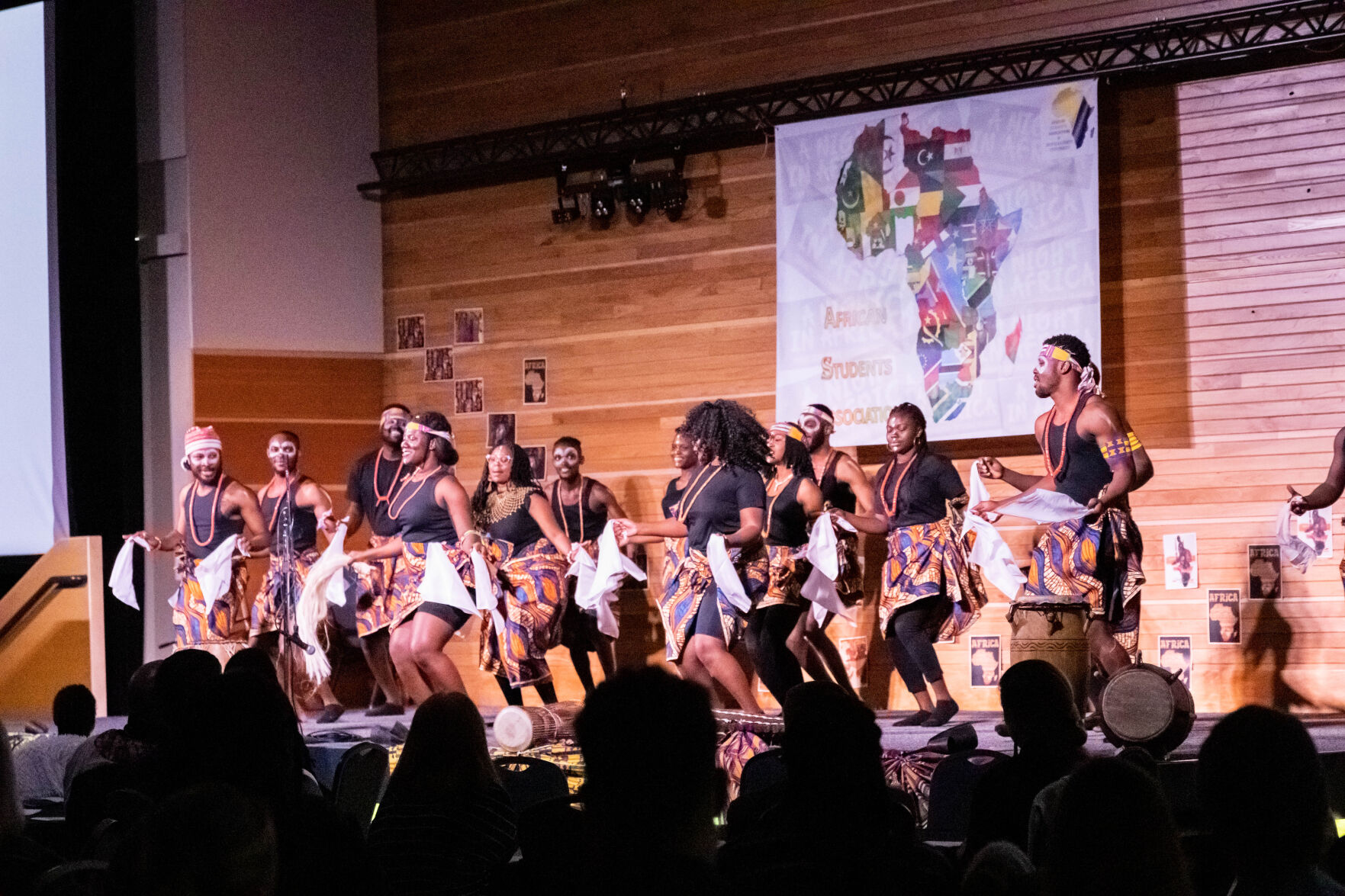
“A Night in Africa 2.0,” hosted by MSU’s African Students Association (ASA), took place on Sunday, March 6. A conglomeration of music, fashion and foods from all over the continent of Africa found a place at this event, themed “Tuko Pamoja,” which translates to “come together” in Swahili. The aptly themed event unified elements from African tribes and cultures and presented them in the form of dances and skits to educate people about the true nature of Africa, rather than the representation commonly presented to Western audiences. ASA President Bukola Saliu and her team worked incredibly hard to organize the celebration of cultures, overcoming obstacles with COVID-19 and brainstorming how to make enough food for 400 guests. “The best part about (ASA) is the people… today, just seeing them come together to cook, we started cooking at 7 a.m. and people came,” Saliu said.
The goal of “A Night in Africa 2.0,” was not only to raise awareness of African cultures, but also ASA, its members and the goals they’re trying to accomplish. “We want to be recognized on campus. A lot of people don’t know there’s an African club on campus, so we’re hoping that this (event) creates that opportunity for people to know about us and about the club and see us as humans with rich culture,” Saliu said.
As attendees walked into the event, a set of video interviews with members of ASA played on a screen, each person sharing stories about their tribes and greetings in their native languages. “One of the things we do in Africa is that we greet,” an MC said to kick off the festivities. This led to a call and response with the audience, learning greetings from Yoruba, “Ekale,” South Africa, “Dumela” and Ghana, “Akwaabe.”
Speakers for the rest of the night included Education Professor Gilbert Kalonde, born in Zambia, Bozeman Mayor Cyndy Andrus and Helena Mayor Wilmot Collins. Collins, who made history as the first Black man to ever be elected as mayor in the state of Montana, shared stories from growing up in Liberia and sentiments for the African Students Association. “I am very very moved today” Collins said. “Yes, you have brought Africa to Bozeman… you’ve got to be proud.”
Collins then introduced Damasus, the keynote speaker of the night. A writer, singer, actress and mother, Damasus has performed in Nollywood for over two decades, making herself a household name in Nigeria and surrounding colonies. Her speech centered around the night's theme of togetherness and she shared an anecdote about how popular media can cause misconceptions about Africa and its people. “The media shows the Africa that they want you to see, not the real Africa that we know, not this beauty you see on stage,” Damasus said. Both she and Saliu mentioned that Africa is often seen as a flea-ridden, starving continent in need of being saved, rather than a land full of rich culture, savory foods and color. “That’s the Africa that they’re selling because that’s the Africa that’s been sold to them,” Damasus said.
Although the theme of the night was “come together,” the subtext was about educating the Bozeman community on the true Africa. “The beauty of Africa cannot be lost in translation, cannot be lost via media, cannot be lost to our children…We don’t want people to look at Africa with only the negativity… that’s not all there is to us,” Damasus said.
The beautiful night highlighted the importance of keeping culture alive and thriving. ASA hopes to continue expanding its club and aims to open up to non-Africans so that the community can learn more about African culture. This semester, they meet on Tuesdays at 6 p.m. in SUB room 236. Stop on by to learn what it truly means to be African.
Comments ()