
A Student’s Survival Guide for Seasonal Depression
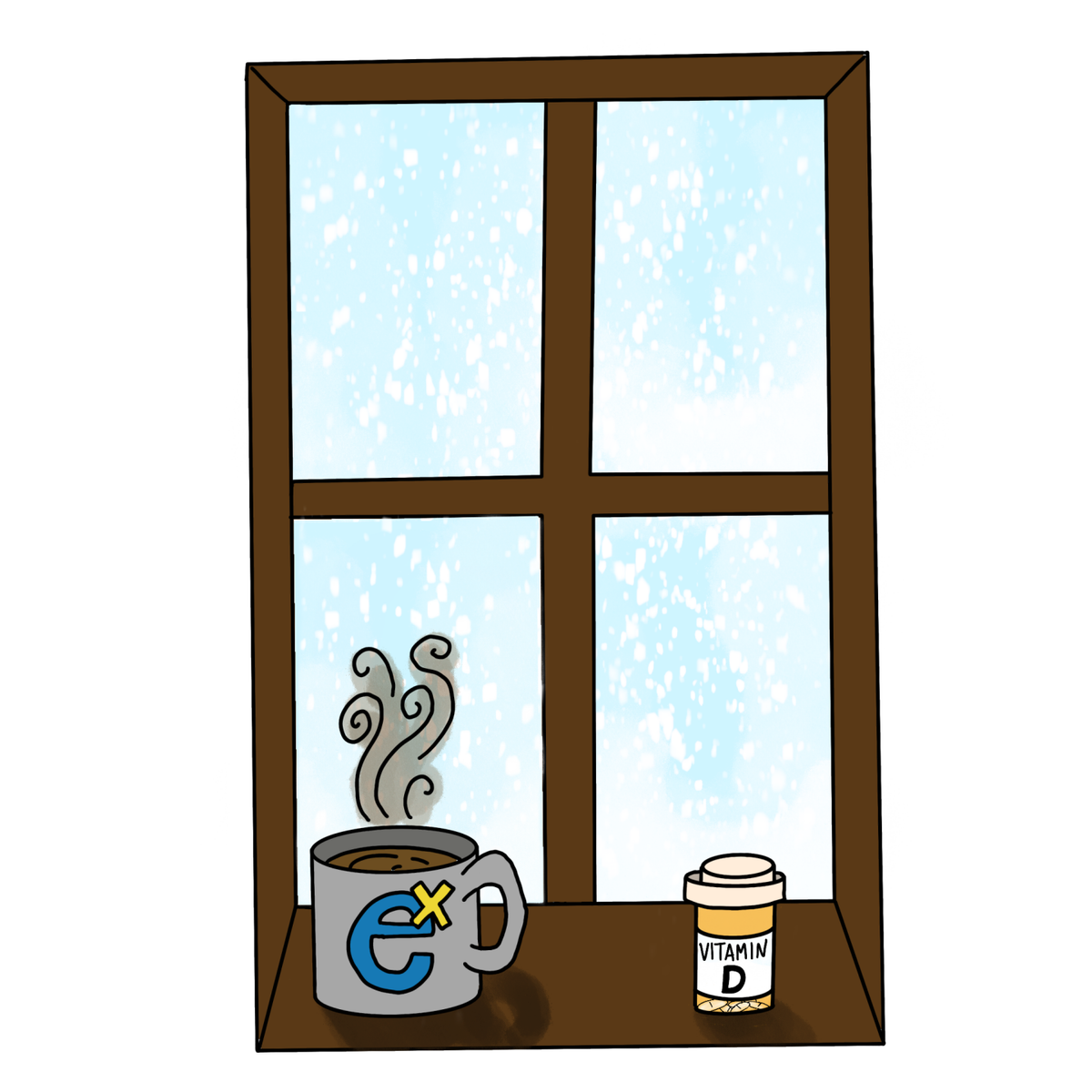
Many students at MSU are looking forward to the joys of winter — whether it be skiing, snowboarding, ice climbing or just playing in the snow. However, if you’re anything like me, you’re beginning to feel a sense of anxiety looming as the season changes.
This summer, I got myself hyped up for the coming season. I planned to get more involved with school than ever, learn to ski and get the right gear so I could stay outside all day. I assured myself that this winter would be undeniably different from the few I’ve spent in Montana and seasonal affective disorder (SAD) is already setting in. Always tired, schoolwork feels like an impossible challenge and most of the time I’d rather be secluded.
As debilitating as SAD feels, we can collectively push through it with the right preparation. Whether you have SAD or are just concerned about feeling anxious during winter, these tips will help you thrive during the long, frigid months ahead.
-Schedule all important appointments now. If you know you’ll need to go to the doctor, dentist, meet with your psychiatrist, or other vital obligations, schedule them and mark them in your calendar immediately. People are more forgetful in winter and generally have lower cognitive function, according to the National Institute of Health.
-Establish a consistent sleep schedule. This can be daunting, but the key is to be realistic. You don’t need to wake up at 4 a.m. everyday. Start small, try to go to bed and wake up at the same time consistently for a week. A consistent sleep schedule regulates your circadian rhythm, ultimately boosting academic performance, mood and physical health.
Tip: To help you achieve a healthy sleep schedule, create a relaxing bedtime routine and a morning routine you’ll be excited to wake up to. Don’t beat yourself up if you stay up late or sleep in sometimes. The goal is to become more regulated, not perfect.
-Create a list of your coping skills and support systems. What, or who, can you turn to when everything feels as though it's too much? Write yourself a list and keep it somewhere you can access when you’re feeling too down to think of anything positive.
Some examples could be to take a long shower, play a video game, drink herbal tea, call a trusted friend or family member. This list will remind you that you are not alone and you can overcome difficult thoughts.
-Deep clean and organize your living space. Knowing that you’ve done things like dust, vacuum, or organize your closet will boost your self esteem and mood immensely. Having a clean home helps with everything from improving focus to regulating emotions. You don’t need to tackle everything at once. Simply devoting 15 minutes a day to cleaning can make a huge difference.
-Make sure you’re getting enough vitamin D. Try to get outside for at least 30 minutes between 10 a.m. and 4 p.m. to gain the most possible sun exposure. Eat foods high in vitamin D, like salmon, orange juice, dairy and plant milks and egg yolks. Check with your doctor to see if you could benefit from taking a vitamin D supplement.
-Be gentle to yourself and reach out for help. In the dead of winter when we begin feeling sluggish, our world becomes gloomy and it’s easy to feel as though everything is falling apart.
Tip: Actively counter negative self-talk by shutting it down immediately. Watch your comfort show, listen to music or work out to help yourself push through those spiraling thoughts.
Exploring why you are feeling and having certain thoughts with a therapist.
Counseling and Psychological Services is a resource on campus available to all students. Located on the second floor in the Swingle Health Center between Barnard Hall and the SUB.
It is important to keep in mind that different things will work for different people and SAD or the winter blues affect everyone differently. These coping skills can help you stay resilient and productive during the drab winter months in Montana.
Take care of yourself and take care of other fellow Bobcats!
Comments ()