
Alcohol Policy Should be Enforced Consistently
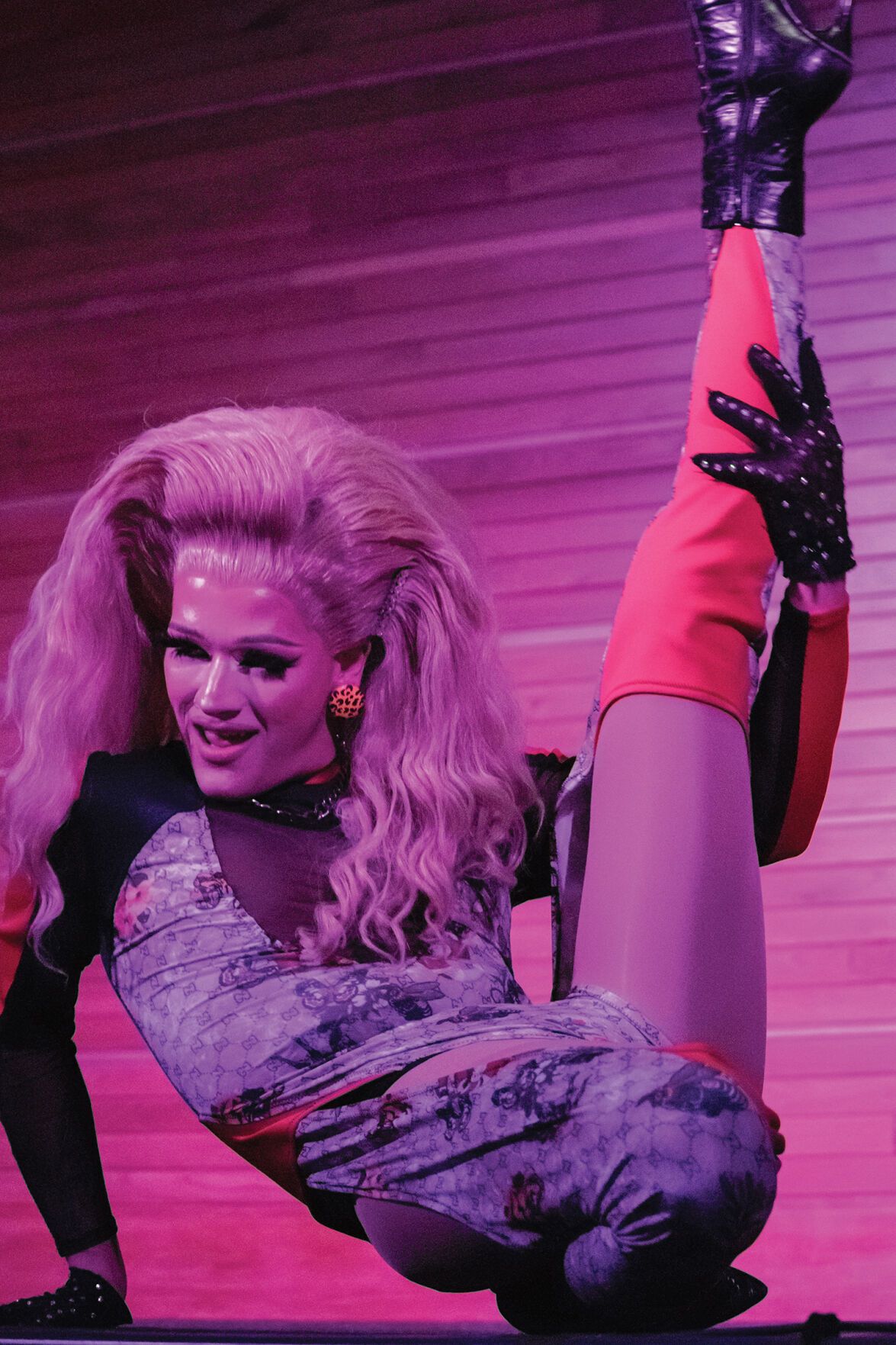
The Queer Straight Alliance (QSA) recently hosted the Prohibition Drag Show, which now stands as an example of how shifting university ideologies can hamper the expression of students. Putting on a drag show is a challenge, but QSA, in the creation of its last two shows, also had to consider new rules passed down by MSU. Events organized by student organizations such as QSA can no longer serve alcohol at their events. The Awaken Drag Show, held in March 2022, became the first drag show to be held in two years and it was originally supposed to serve alcohol. This changed and the Awaken Drag Show pivoted to become a dry event to comply with these new regulations, according to Xander Remiel, the social media coordinator for QSA. The Prohibition Drag Show is the first event held by QSA that was labeled and marketed as a dry show.
There is nothing wrong with combating excessive drinking on a college campus. However, banning alcohol from community and campus events may not always be the way to go.
Blanket restrictions on drinking typically do not change the culture; instead, it just means people will find another place and time to consume alcohol. Students who attend on-campus events with alcohol are incentivized to walk instead of drive due to their close proximity to the events location. An enforced drink limit in combination with the preexisting culture of drag would make the event even safer. Changes like these are how societal conventions can be altered instead of creating policies that sidestep the issue without acknowledging the root cause.
The sudden changes in marketing and organization prompted by the decision not to serve alcohol may have been welcomed if this was a policy equally issued among college-organized events.
Other events, like fraternity parties and football games, permit the distribution of alcohol. MSU’s Guidelines for Fraternities with alcohol stipulate a framework that allows for fraternity events to possess alcohol, as long as they adhere to several rules which ensure the safety of those involved. There must be a coordinated safety team and the event must follow a plethora of rules such as, limiting the proof of liquor at forty percent and meeting standards established by the Dean of Students. Fraternities receive this treatment because of their higher risk for overconsumption and long standing history with the university. It seems that events with “historical” precedent, when it comes to alcohol, have been allowed to continue distribution, but if this were the case then the QSA’s drag shows would also fall into this category.
If MSU wants to change college drinking culture then policies should be enforced consistently across all events. It is unlikely that simply removing all alcohol from university sponsored events will change the current environment but there would at least be consistency. MSU would likely stand to gain more from investigating both sides of the argument by giving student organizations the chance to regulate and enforce their own drinking culture with the knowledge of the current repercussions.
There is an opportunity here to work toward both fostering diversity and changing drinking culture. The university can use an existing framework that allows for the distribution of alcohol at school events, which is almost entirely regulated by the university’s safety guidelines. These regulations would necessitate further planning by QSA but would also mean equal treatment among student organizations. If the university wishes to further regulate events such as drag shows because they are held on school premises, then the current regulations can only act as a template. Further reform that stipulates a drink limit might be welcomed as long as the safety and quality of the events can be ensured.
Comments ()