
An Exponent reporter explores what lies below MSU
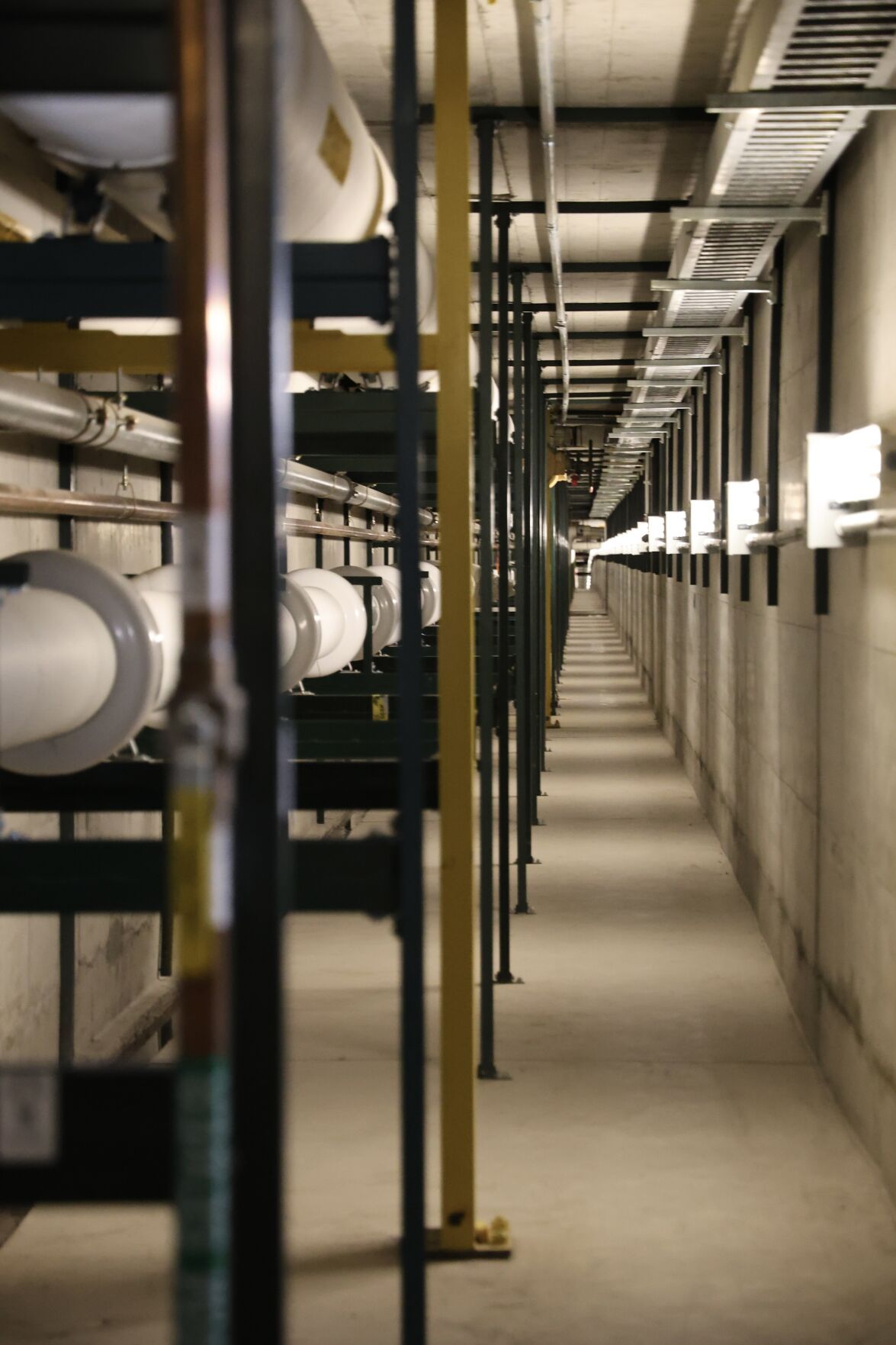
Many unsuspecting visitors to campus may not know that right below their feet lies a labyrinthine network of dark, pipe-filled tunnels.
This may seem far-fetched, but I promise it’s real. You may have heard rumors of a tunnel system under the school and assumed that — if the stories were true at all — its purpose must be something cryptic and unusual. However, the tunnel system that runs beneath campus today was actually designed for far more practical reasons.
In the 1990s, campus facilities staff needed to devise an efficient means to heat campus and route plumbing without tearing up manicured lawns or digging through frozen winter soil, according to the MSU website. Today, more than two and a half miles of these tunnels lie beneath our campus, with the most recent section having been completed in the summer of 2024.
When I first heard about the tunnels’ existence, I was curious to learn more, so I reached out to MSU Heat Plant Foreman Sam Widdicombe. Widdicombe comes from a long line of boilermakers and has worked with boilers since he was 18. He started at MSU five years ago and has steadily risen through the ranks since.
On a chilly March morning, he met me on the concrete steps of the Steam Plant Building. When one pictures a boiler room, images of a dark, dirty, subterranean cave might come to mind. However, this Renaissance Revival-style brick structure bucks that stereotype with its massive four-story glass windows, which allow in natural light and ventilation. Its elegant brickwork stands in stark contrast to the modern glass and steel angles of the neighboring Norm Asbjornson Hall. Additionally, beneath its 1922 exterior lies two natural gas-fired boilers.
“There are always people here, 24/7, 365 days a year in rotating 12-hour shifts,” Widdicombe said. This is because the boilers run upwards of 270 degrees Fahrenheit and at extremely high pressure, so any carelessness could be deadly. According to Widdicombe, everything must be maintained to ensure a minimal amount of downtime, with multiple levels of redundancy to ensure that campus is never without heat.
When it was first built, the Steam Plant Building had a 150-foot masonry smokestack and ran on weekly trainloads of coal from a mine near Fort Ellis, according to the MSU website. That changed in 1950 when the plant was converted to natural gas.
In the basement of the plant, Widdicombe showed me the tracks that coal carts used to roll on. He explained that, back in the day before its conversion to natural gas, coal was shoveled into the boiler, like a steam locomotive. He told me that in the 1990s, as an early sustainability measure, a steam-powered electric turbine was installed to generate power using excess steam that would otherwise be wasted. This innovation allows the plant to generate close to five percent of the campus’s electrical needs.
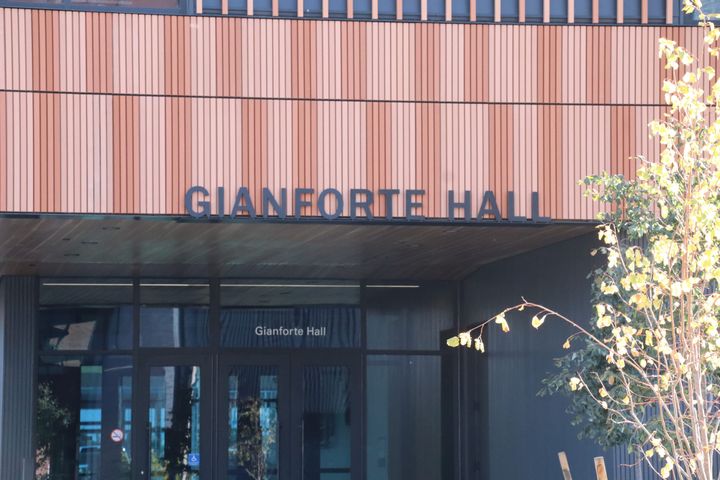
As we descended further into the basement, Widdicombe led me through a concrete doorway. Upon turning a corner, the rumble and warmth of the equipment began to fade. As we walked through the narrow tunnel, he pointed out signage denoting the streets above us and to our left a newer section of tunnel designed to service future buildings along S. 7th Avenue, including the under-construction Gianforte School of Computing building.
Widdicombe explained that one unintended benefit of the tunnels is that they make it easier to pass fiber optic and other wiring between buildings. They also provide a central location for compressed air used by some buildings on campus. This has prevented millions of dollars of excavation and construction by allowing all utilities to be run through the same pathways and minimizing disruption on the surface.
After walking beneath Grant Street, we returned to the surface, where he introduced me to Derek Kinsman, another employee from the Facilities Heat Maintenance Technician Shop. Kinsman helps maintain heating and ventilation systems across campus and is also licensed to operate the Steam Plant Building.
“One of the biggest issues we are trying to overcome is to document equipment and operation information before the most knowledgeable staff retire,” Kinsman told me. As it turns out, being a boiler operator is a licensed position and requires several years of on-the-job training. He mentioned that it is a stable career and will become more and more in demand in the coming years as many of the older operators retire.
During our conversation, Widdicombe added that MSU has an in-house program to train future boiler operators and offers a pathway to obtain licensing. “It’s a really good program they have set up,” he said.
As I left the double doors and walked down the steps back to Grant Street, back into the crisp cold air, I was reminded of how important this invisible work really is. The tunnels may not be a part of daily student life, but they quietly support it, day and night, year-round. And while most people may never think about the infrastructure beneath their feet, it continues to evolve, much like the campus above it.
Tours of the Steam Plant Building and the tunnel system are offered to several University classes. To learn more about the Steam Plant Building or general operations, you can contact University Facilities Management at (406) 994-2001.

Comments ()