
Bieberchella, Euphoria and Trump Jesus: The Internet Has Lost the Plot
There was a time when celebrities were just people, television characters stayed on screen and politicians — however messy in real life — acted respectfully on social media. Now, somewhere between “Bieberchella,” Jacob Elordi edits and the rise of “Trump Jesus,” the internet has turned everything into the same kind of social media content.
The prevailing internet culture treats entertainment, fiction and even politics the same way: as content to be consumed. Celebrities become characters and politics becomes meme material. Truth, talent or coherence don’t matter online — only attention. When everything is optimized to be watched, shared and remixed, it becomes harder to treat anything as fully real.
“Bieberchella” is the internet’s name for Justin Bieber’s recent Coachella performance, which has since taken social media by storm. According to sophomore elementary education major Isabel Bruce, Bieber's performance was nothing short of groundbreaking. Bruce has been a lifelong fan of the Canadian singer. “I was raised with Bieber fever,” she said.
Bruce said that Bieber’s event was all over her social media feed and performances were livestreamed on YouTube, available to anyone with internet access. “The beautiful thing about Coachella is that every single person with an iPhone has attended that event, so you get to see all of it live,” she said.
According to Bruce, “Bieberchella” caught the attention of so many viewers because the performance was unique.
“I think Justin Bieber's set became a larger cultural phenomenon because he did something that people weren’t expecting,” she said. “I was expecting white skinny jeans and a sweatshirt.”
What made “Bieberchella” feel so massive wasn’t just the performance itself, but how instantly it was repackaged into clips and reactions. It felt less like a live event and more like a content stream designed to circulate.
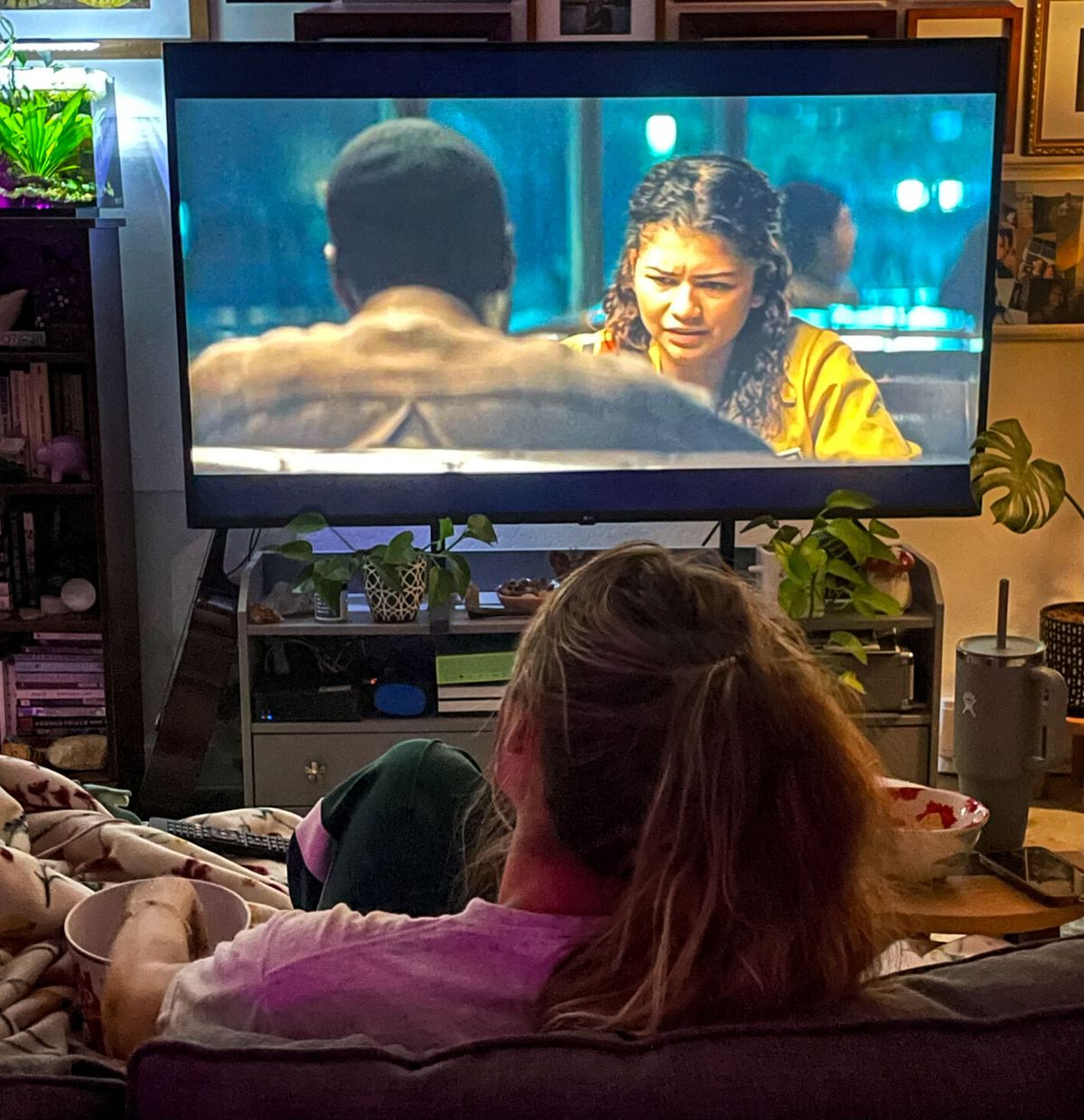
A similar social media sensation has popped up on everyone’s feeds: “Euphoria,” an HBO original drama known for its stylized portrayal of high school life. Jacob Elordi, a star of “Euphoria,” is currently appearing in endless fan edits that often circulate more widely than the show itself.
Sophomore psychology student Austin Sanchez said that the recent “Euphoria” episodes are sparking new conversations and online content. “TikToks and [Instagram] Reels of Euphoria resurge excitement in the characters and the plot,” he said.
Short-form social media edits gain traction because viewers can follow the plot without watching full episodes.
“I feel like almost every Euphoria edit that I see portrays a storyline in the show,” said senior history major Emelia Wood. “I can follow the show even though I’ve never seen a single minute of it.”
In other words, the show itself becomes optional. What matters is the condensed, aestheticized and endlessly replayable version that lives online.
Bruce agreed. “I think that’s applicable to a lot of shows or media that we’re consuming now, is that you can get short-hand like SparkNotes versions on TikTok or Instagram reels,” she said.
While these edits can draw viewers in, they also turn characters into endlessly recycled content, flattening entire storylines into a few viral clips. Wood warned about the reality of creating obsessive echo chambers on viewers’ feeds.
“Sometimes it is great to appreciate how hot a person is. There is a point where it gets a little obsessive,” she said.
But the edits’ popularity underscores a shift: Characters are no longer just part of a story — they are simply content, detached from plot and consumed on their own.
Finally, on the internet fad rundown, is the post from U.S. President Donald Trump where he depicted himself as Jesus in an AI-generated photo. According to an April 13 New York Times article, he faced immediate backlash for prophetizing his own position and depicting himself as Jesus. This image has since been dubbed “Trump Jesus” by users in online spaces.
Bruce’s reaction aligned with major critical online discourse. “I was just flabbergasted,” she said.
Posts like this can make political actions feel disconnected from reality, especially when the government also makes serious announcements on social media. “I would say that when the president of the U.S. posts AI, period, I am afraid, disappointed [and] shocked,” Bruce said.
Sanchez said social media connects people to politics, but might make them feel less significant. “It’s like disconnecting from the actual seriousness of it,” he said. “We’re not really digesting the content.”
When everything — from a pop star’s comeback to a sitting president’s post — appears in the same endless scroll, it becomes harder to assign weight to any of it. “I think that social media is not real, like, to an extent,” Wood said. “It’s out of touch and it’s altered.”
Comments ()