
Cancel Culture is a Pandemic
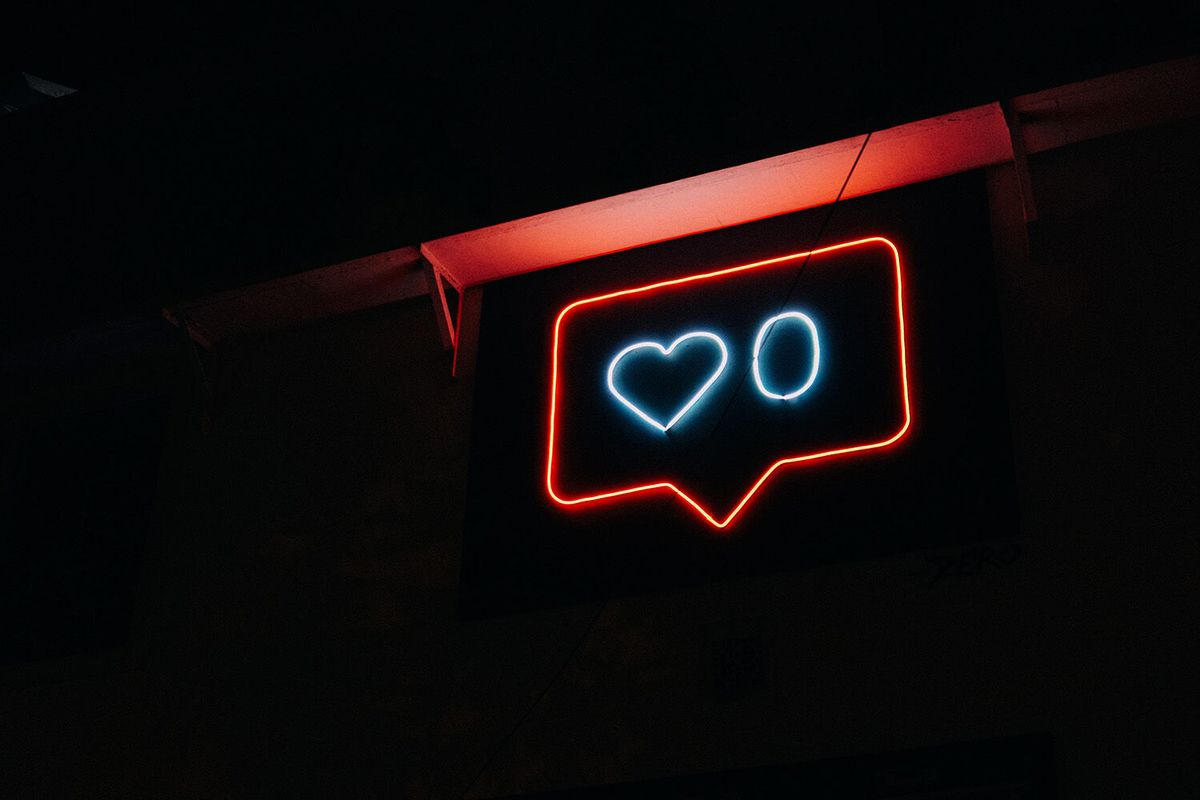
Content creators, also known as influencers, use their social media platforms to create content that is curated to their following in hopes of increasing their views, likes, replies and following. They have their life open to the public to seem relatable in hopes of being admired by their viewers – but this can come with a price.
The downfall to opening your life up to the internet is that your viewers might discover past things about you that you don't want the public to know. Social media, TikTok specifically, has not only been a way for people to express themselves and let their voices be heard, but it's also allowed people to come forth and “expose” an influencer publicly. This phenomenon is commonly referred to as being “canceled.”
Whether it's a video of a Karen harassing someone, Adam Levine’s affair being leaked, accusations that Amber Mezner was a middle school bully or Addison Rae getting ridiculed for her outfit choices, it all circles back to cancel culture and the current obsession our generation has with it.
Obviously there is a time when light should be shed on someone who is displaying an abuse of public power via a social platform. But, it's gotten to the point where we as the consumer of such media have begun to take advantage of this new profound power that TikTok has given us.
One of the most important takeaways from the COVID-19 pandemic was mental health awareness. Our world is finally working harder to address the hidden struggles that people have previously been forced to keep quiet. People are coming out about these struggles through platforms such as TikTok. Yet TikTok is also used to publicly shame individuals for something that half of the time the accuser doesn't even know to be true.
Should we really still be holding people accountable for their actions as pubescents? The million-dollar question is whether we are exposing someone for the greater good or our generation is simply obsessed with holding grudges.
Courtnay Duchin, a Bozeman psychologist, has been in practice for 17 years. She referred to the prominence of cancel culture as “extremely detrimental because it endorses avoidance.”
Duchin said the act itself is “a ramification of social media and an instant gratification for people.” She described her concern for the lack of “actually having that natural relational experience” through communication or a dialogue rather than just “canceling” someone.
“It’s a bizarre thing, you're basically pretending someone doesn’t exist,” Duchin said.
Duchin referenced the current canceling of Kanye West as an example. West is diagnostically mentally ill and is currently going through one of his manic episodes, she said
“What I find very interesting about Kanye West, and I don’t like Kanye West, is that on one hand we sit there and say we need to deal with mental health issues while on the other hand we just cancel him.”
For the media to cancel him while he is currently considered unstable doesn’t reflect the mental health awareness that the same media preaches.
“So I’m going to cancel him in a state where he’s unhinged because I don’t like what he says? It just doesn’t make sense.”
Duchin said this shows that cancel culture is a way for us to “superficially engage” rather than having hard conversations.
Comments ()