
Change Fueled Campus Frustration, Not Canvas
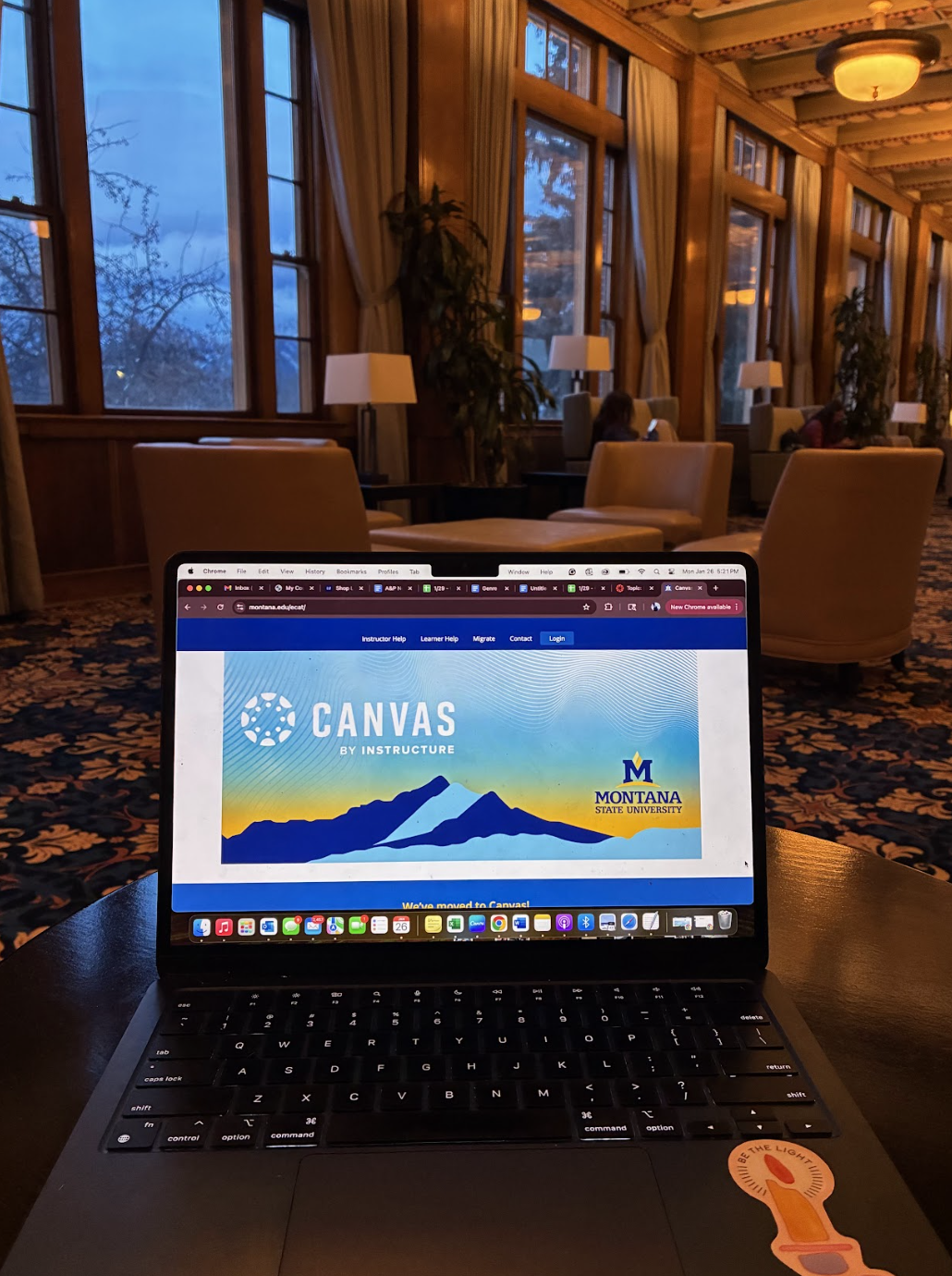
Last fall, Desire 2 Learn (D2L) Brightspace, a widely beloved academic platform, was replaced by Canvas, sparking complaints and confusion among students and faculty. This frustration, however, is likely a result of our natural tendency to overreact when faced with change, and does not reflect the merits or drawbacks of the platforms themselves.
Alerts and notifications appeared across campus websites last spring semester, reading, “Canvas Coming Soon Summer 2025.” Many students felt the imminent switch from D2L was poorly explained and were not ready to give up the comfort of the old system.
One of these students was Sakina Kurani, a senior kinesiology major, who felt annoyed with the University. “I was not too happy about the switch, because, come on, I only have one more year,” she said.
This learning curve was felt across every classroom on Campus, from professors adjusting to a new system for entering grades to students learning how to navigate every new tab.
While I can admit to a few eye rolls, the transition turned out to be far less negative than I expected. Most college students are technologically literate, and soon eventuallyF the negativity dissipated as campus adjusted to the change.
For some, the switch was an upgrade, as many college preparatory courses in high school taught students how to navigate Canvas. Phoebe Bruns, a sophomore political science major, was surprised to find that the University didn’t use Canvas already, and said that getting used to D2L was the real adjustment.
“D2L was so outdated,” Bruns said. “I feel like Canvas is just easier to understand.”
Josh Meyer, an assistant teaching professor in the Department of Education, discussed the psychology behind technological transitions and the University’s process to make them as seamless as possible.
Meyer touched on the different ways that students and faculty might approach such changes in their lives. Some are early adapters, while others are more resistant to change. “Maybe it’s just human nature, we want to stay with what we’re used to,” he said.
Meyer’s positive outlook does not discount any frustration, as adjusting to new platforms is hard. However, in order to contend with change, we need to be optimistic and self-aware. The benefits, solidarity and unification promoted by Canvas across the Montana University System (MUS) may outweigh the drawbacks of this small transition.
Meyer also highlighted Montana’s efforts to standardize platforms across the MUS campuses to improve accessibility.
“If indeed [Canvas] is a more robust system, it makes sense to all be on the same page,” he said.
Recognizing that everyone is navigating this change together can foster a sense of solidarity and shared purpose. By shifting our attitude, we can move toward a pragmatic framework that changes how we embrace technological change.
The world is not ending because of this switch, and students seem to understand that the drama will subside. “I don’t think [Canvas] had a negative or positive impact,” Kurani said, emphasizing the long-term irrelevancy of the platform change.
I would even go as far as to say that students are beginning to admire Canvas as much as they can — for a learning management system that produces nightmarish to-do lists and perpetually emails us due date reminders.
Comments ()