
Check please! Wait… who’s picking up the bill?
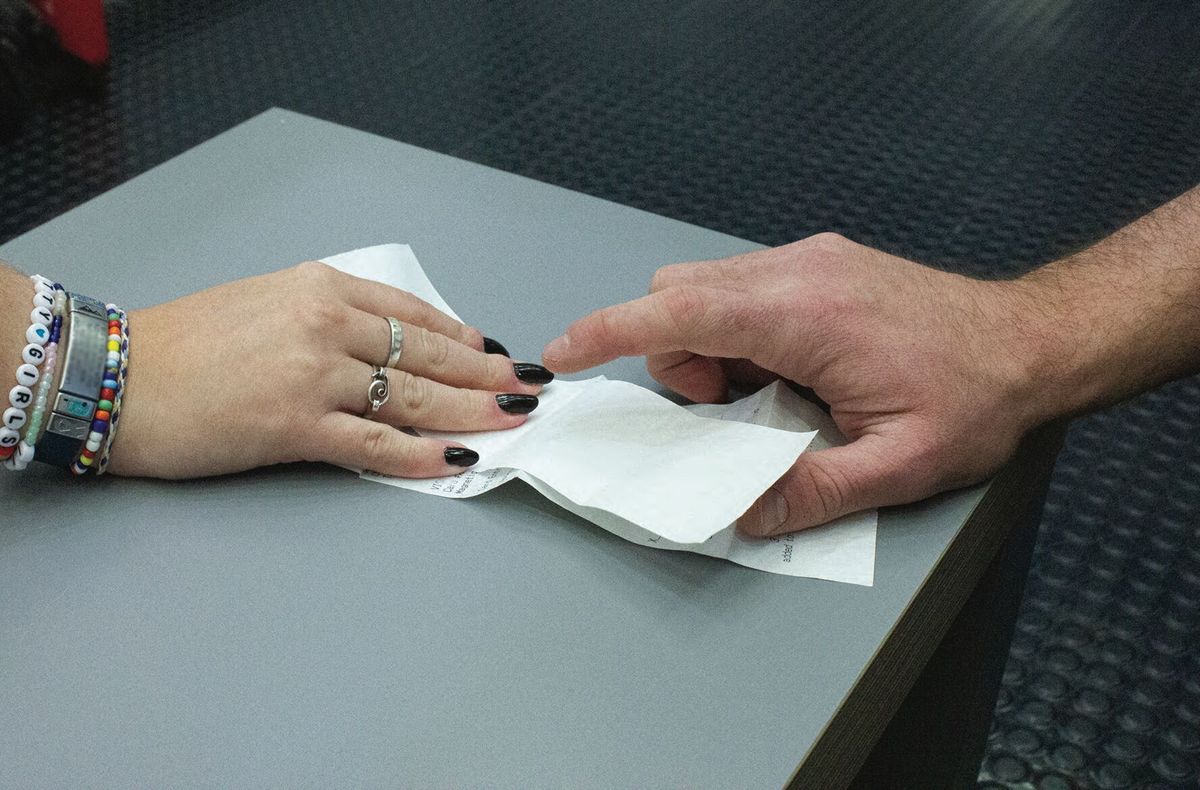
We’ve all been there. The meal has ended, the drinks are gone, and the bill has arrived. You awkwardly stare at that leather bill holder in the middle of the table and wonder: Do I reach for it? Make a pathetic attempt? He had one of my croutons, so is that another two cents on his behalf? Is this even a date or an overly awkward hangout?
Undoubtedly, the dating scene has changed drastically over the years and with these changes come differing opinions on who should foot the bill on a date. The tradition of one person covering the entire expense is now being challenged and opinions tend to vary.
In the most traditional sense, the expectation of the person who initiated or planned the date is who should cover the cost of the meal or drink. This action could reflect a form of chivalry and a certain level of commitment to the other person. This seems to be the most popular opinion amongst MSU students as well.
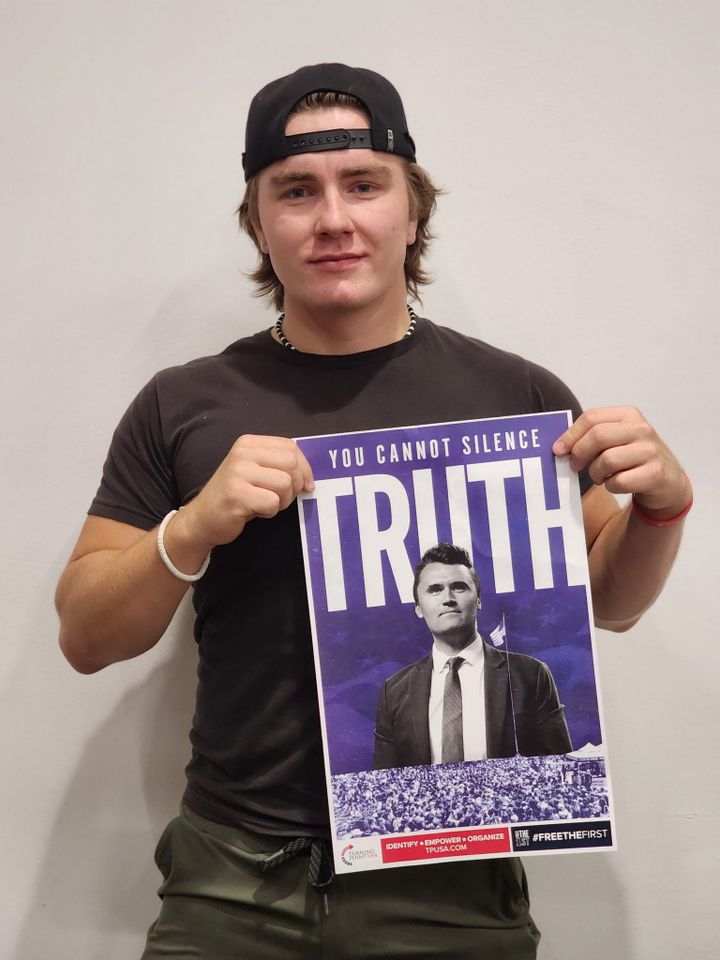
In fact, it's not even a question for political science major Nicholas Schegolev.
"First dates these days are typically coffee. What is that, 12 bucks? What are you doing with your life if you're dating a guy who doesn't have 12 bucks?,” he said. “Second of all, if I ask someone out, I'm paying. Now, as the relationship evolves, three months down the line, we can talk about it."
Junior Erin Robinson agreed. "I don't have enough money to pay for my dinner. I would love it if someone paid for it for me," she said.
The overall consensus is that a level of communication is expected from two individuals on a date. The topic of the bill, although an awkward one, is necessary to discuss as we are college students doing our best with our limited funds.
"The person who asked should be the one that pays unless the other person triples the cost of the other person in a full meal," Sam Geary, a sophomore studying statistics, said.
The idea of one person — the man, in the traditional sense — paying for a meal can come with its own sense of issues, with the possibility of the act being used as leverage.
"Unless your partner is using them to assert superiority in the relationship [or] situations, I think it would make any girl feel special to have a guy pay for her," Gabbriella Bracke, freshman studying anthropology, said.
A middle groud is emerging where couples may not split the bill on the first few dates but gradually transition into a more equitable arrangement as the relationship progresses.
Political science students Jackson Krause and Garrett Wright commented that a compromise can always be met with some communication.
"I always pay on the first date and typically after that. But I guess, in theory, subsequent dates [and] splitting the bill [is] totally fair. Like, on the third date," Krause said.
"Or just switch who pays for it. Like if you go to get coffee with someone you pay for the first time, and they're like, oh, hey, you got it last time," Wright said.
Senior Lydia French said it depends on the vives of the date. “If it's not a very good date and I don't have any interest in seeing them again, that's when I'll be very confident, and forceful about splitting the bill.”
“But if it was like a good date and they want to see me again, then I'm more willing to be like, yeah, no problem. But I will always offer,” French said
In the ever-evolving dating landscape, opinions on splitting the bill reflect broader shifts in societal norms and expectations. Whether adhering to tradition, advocating for financial equality, or finding a middle ground, the key is communication and mutual understanding with anything in a relationship.
Comments ()