
Conversing about grizzly bear and wolf conservation
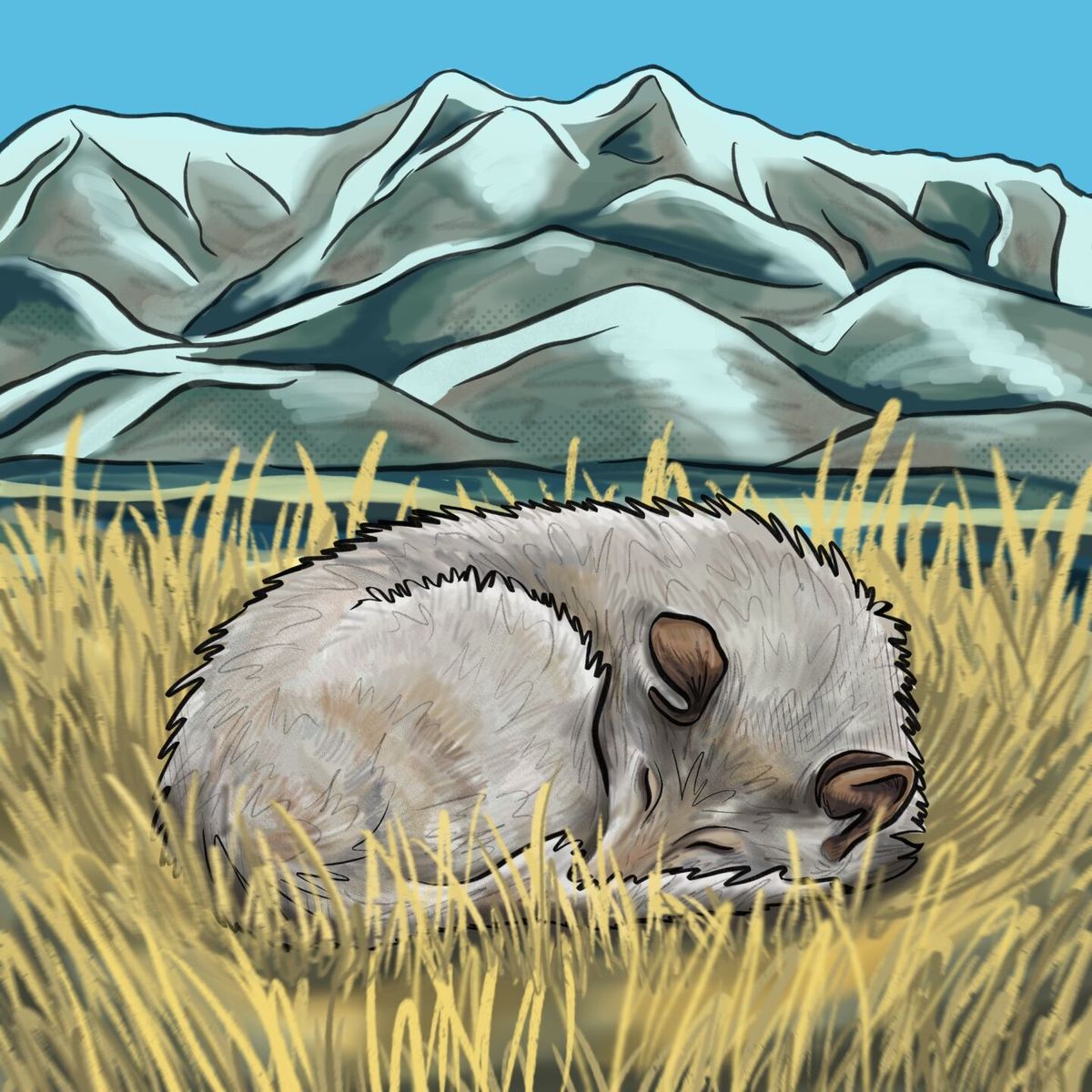
“FTG” is a saying MSU students know all too well. However, on Friday Oct. 18, internationally-renowned bear expert Chris Servheen made his way to Bozeman to proclaim a love for the grizzlies — and wolves — that make the Greater Yellowstone Ecosystem (GYE) their home.
Servheen, a biologist and conservationist, and Doug Smith, a wildlife biologist who specializes in wolves, came together with the help of Todd Wilkinson, an American author and journalist, to express the importance of conserving grizzly bears and wolf species in the GYE. The GYE refers to various national parks within Montana, Wyoming and Idaho.
Servheen opened the conversation by discussing the recovery of grizzly bears, noting the addition of grizzly bears to the Endangered Species Act in 1975. Servheen explained that, though the species was listed in 1975, the documented population was still quite small — numbering just 400 — five years later in 1980. Through recovery acts, many of which were coordinated by Servheen, the grizzly population grew from 400 in 1980 to over 2,000 in 2024.
Although large amounts of grizzlies are now being spotted in the GYE, Servheen raised caution about lurking threats toward the grizzly bear and wolf populations. He noted “anti-predator hysteria” in politics as one of the largest dangers. He also discussed various kinds of policies deemed as “anti-carnivore.” Some of these included the legalization of using dogs to hunt black bears in areas where grizzlies are also present, and wolf bounties — a form of hunting that involves paying a third party to hunt wolves — as well as using wolf traps and snares.
“I think it’s heartbreaking, really,” Bozeman resident Morgan Montgomery said. “Seeing the photos of bears stuck in the traps really shocked me.”
Evan Edwards, another attendee, shared a similar sentiment. “I go out and I hunt but I believe in hunting ethically. I just don’t see how anyone could think using measures such as those is fair for any animal,” he said.
Servheen continued discussing threats towards grizzlies by highlighting the population growth of Bozeman. “Increasing land development needs to take wildlife into consideration,” he said. Servheen expressed the importance of zoning, which regulates land use within a governmental jurisdiction. “There are 20 counties in the [GYE] and only one of these counties has a zoning plan in place,” he explained. “Bears have come a long way in 40 years. Why should we go backwards?”
The next portion of the conversation included Smith’s discussion of wolf species in the GYE. Smith began his talk by emphasizing the historical parallels between wolves and grizzly bears, outlining the similarities between the anti-carnivore policies implemented against both species.
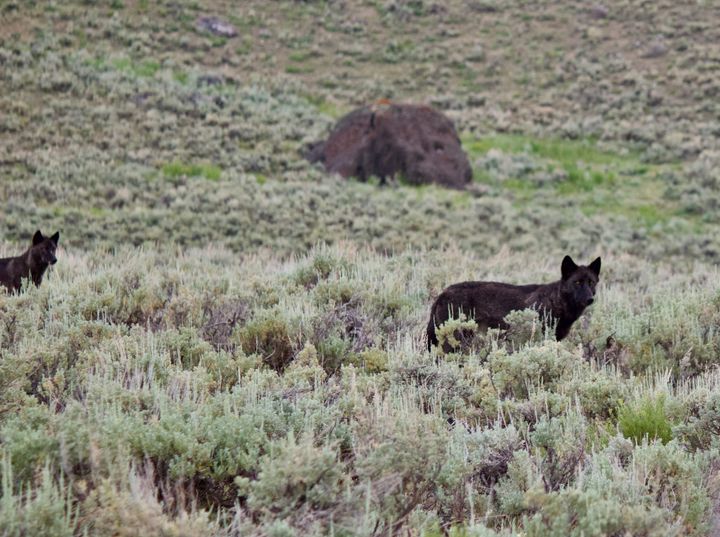
Smith then moved on to debunk a fear held by many regarding wolves, “In 2023, in Montana, wolves killed 17 cattle and six sheep. This is out of a livestock population of 2.65 million in Montana,” he said. “Bald eagles killed more livestock in that year — why are they protected and wolves hated?”
Smith also spoke about various threats to wolf populations, discussing different kinds of unethical hunting methods. He mentioned night hunting, hound hunting, baiting and snow-mobile killing. Smith called for a change in the policies that permit these techniques. “We’ve got to move these policies from extreme anti-carnivore to middle of the road. These are no-brainers. These are not radical [compromises]. These are middle-of-the-road,” he said.
Although Smith expressed the importance of changing the aforementioned policies, he also noted some “small wins” for wolves in the GYE, including banning the usage of telemetry — a form of locating and tracking animals — while hunting, along with Yellowstone National Park hunting quotas.
“Without education, people make things up,” Smith said. According to him, the lives of animals should be in the hands of biologists, not politicians. “Grizzly bears, wolves — they don’t have a voice. You can be their voice,” he said.

Comments ()