
Dangers of concussions follow skiers down the slopes
With Bridger Bowl opening up for the season next weekend, skiers and boarders alike are excited to get out on the slopes this season. However, as we get stoked for the months ahead, it’s equally crucial to prioritize safety on the mountain, especially when the brain is involved.
As college students, it’s easy to want to push through injuries — especially if they aren’t serious enough to spend money on going to the hospital. According to the Centers for Disease Control and Prevention (CDC), brains are cushioned inside of the skull by cerebrospinal fluid. An abrupt blow or even a rapid deceleration can cause the brain to contact the inside of the skull– causing a concussion. Additionally, this contact might tear blood vessels, pull nerve fibers or bruise the brain.
According to the CDC, even a mild concussion shouldn’t be taken lightly. While a single concussion cannot cause permanent damage, a second concussion shortly after the first could potentially have permanent and disabling effects. If you hit your head this year while out on the slopes, be aware that dilated pupils, pressure in the head, nausea, balance issues and confusion are important signs of concussions.
Snow science major Charlie Bayles has suffered “three bigger [concussions]” as an avid skier, and knows that taking care of his head is important. “Last time I was concussed, I hit my head biking and don’t remember 20 minutes on either side of the accident, still don’t remember, and then everything for the next six hours or so was just a daze,” Bayles said.
“The next four or five days were pretty overstimulating and everything hurt, it wasn’t very fun,” he said. When asked what he does to take care of himself post-concussion, Bayles said he didn’t do much, even though his concussion this past summer did keep him off his bike for fourteen days.
Bayles stated that he doesn’t think he suffers any lasting effects from his past concussions. “You can only get so stupid, that’s what I’ve decided,” he said.
However, poorly-treated concussions can cause lasting effects to the brain — including persistent mental health issues, according to the National Library of Medicine.
Sage Curtis, an English Writing major, thinks concussions should generally be treated more seriously by college students.
“I was going to school at a boarding school with a ski- academy aspect so obviously they take concussions very seriously,” Curtis said, speaking about her high school experience ski racing. Her boarding school did preseason concussion testing for all of their racers and kept her from training for several weeks after a major concussion.
“That concussion, I was at a slalom race in New Hampshire and it was a really rough race, lots of ruts and really soft snow conditions. I caught the tip of my ski on a gate and I did a full twist and landed on my hands right to my head, broke my poles,” Curtis said. “I knew right away, and just had to lay there for a second.”
Curtis now skis for the club team at MSU, though she stated that they don’t do the pre-season testing. “Everybody is always aware if someone is hurt,” Curtis said.
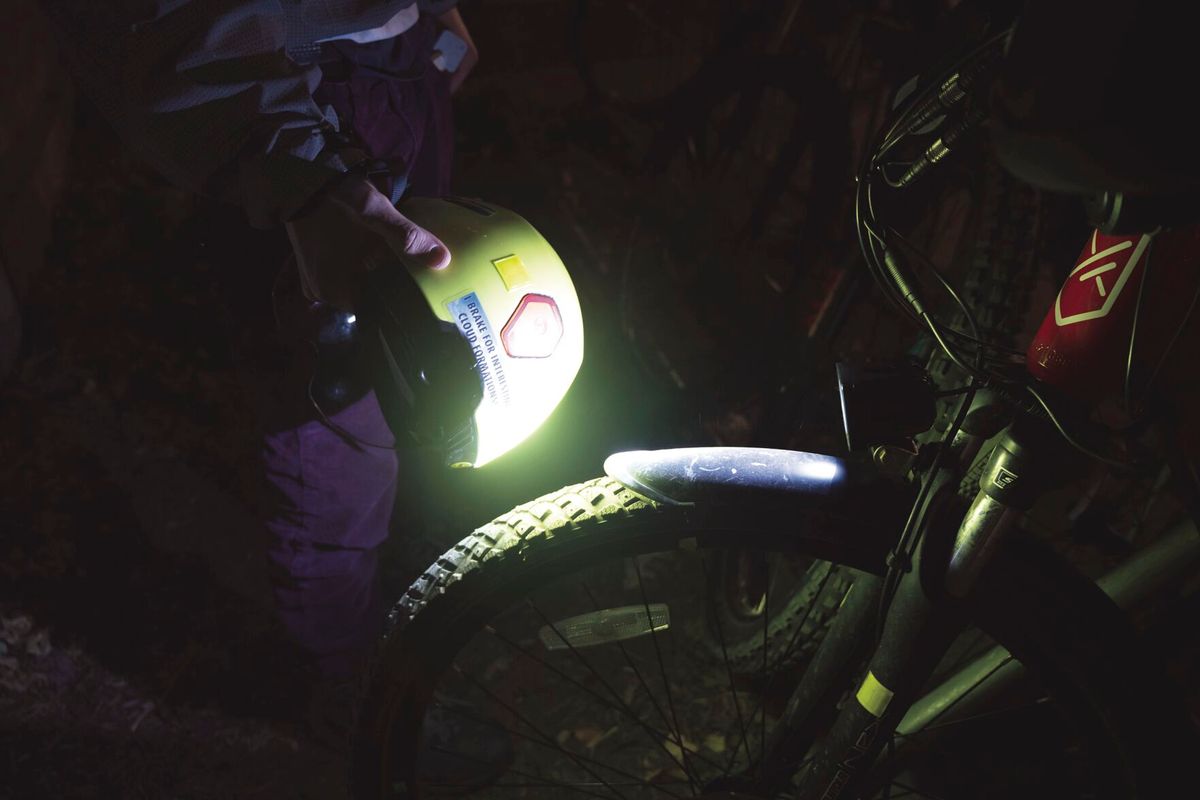
One thing you can do right now to keep yourself safe this winter is grab your helmet and make sure it has the little yellow multi-directional impact protection system (MIPS) sticker on the back that means it’s been nationally recognized as safety certified. MIPS-certified helmets are engineered to reduce rotational forces to the head when falling at an angled impact according to mipsprotection.com.
Happy turns this winter skiers and boarders, and be sure to take the rest time that your brain deserves if you get injured this winter.

Comments ()