
Duck Pond lore: A deep dive
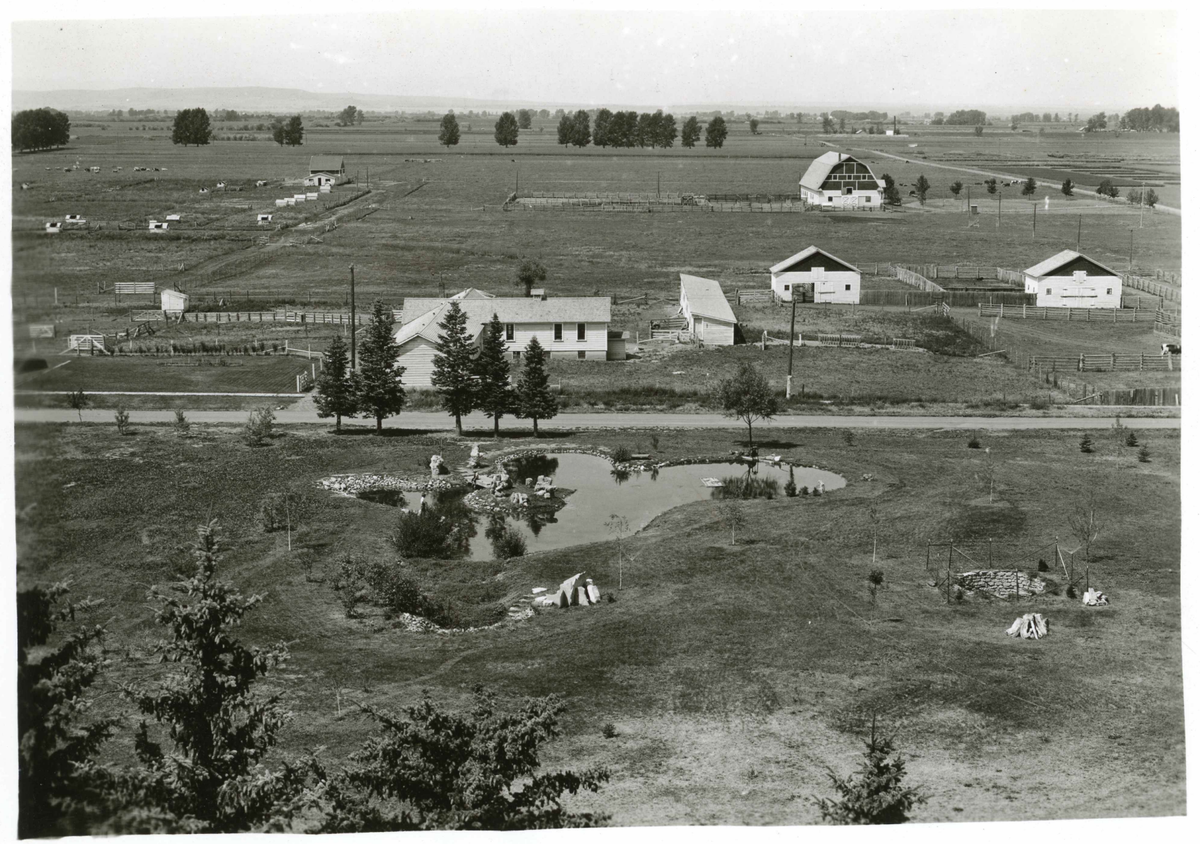
The Duck Pond. What could possibly be more quintessentially MSU than that? Aside from maybe the infamous cow-in-the-bell-tower story, the MSU Duck Pond at The Grove is the most memorable part of any MSU Friday tour — and maybe even one of the most iconic parts of campus. Every morning when I power walk to work because I’m already five minutes late, the absolute swarm of ducks hanging out at the pond always makes things a little better.
Located right on 11th Street, I feel bad for all the engineers and scientists that don’t get to see them regularly all the way on the other side of campus. Without cause, here are some fun facts about the MSU Duck Pond acquired from the MSU photo archives and the MSU News Service:
- The Duck Pond has been around at least as long as the university has been around. It used to be called the Frog Pond, then the Fish Pond, and now we know it as the Duck Pond.
- The Duck Pond has long been host to student events, such as academic class tug-of-war which were held across the Duck Pond as early as 1913.
- A restoration plan was executed in 2008 for the pond, which installed a new rubber liner, large stones around the shore, and integrated a water flow system. According to the MSU News Service, before the restoration the pond was fueled only by a natural spring, which meant the pool was often stagnant. One could imagine how it could get quite scummy and be very attractive to mosquitoes.The restoration diverted sump pump water from nearby Sherrick Hall (which would have just flowed into the sewer system otherwise), and used a nearby well to improve the water quality and flow for years to come. The project was completed in October of 2008 and cost $256,000.
- Many students may be unaware of the well that’s attached to the Duck Pond. There’s always a nice selection of gigantic orphaned goldfish in the well, almost as if students have decided to use it as their personal fish tank. Goldfish are an invasive species, you guys. Cut that out.
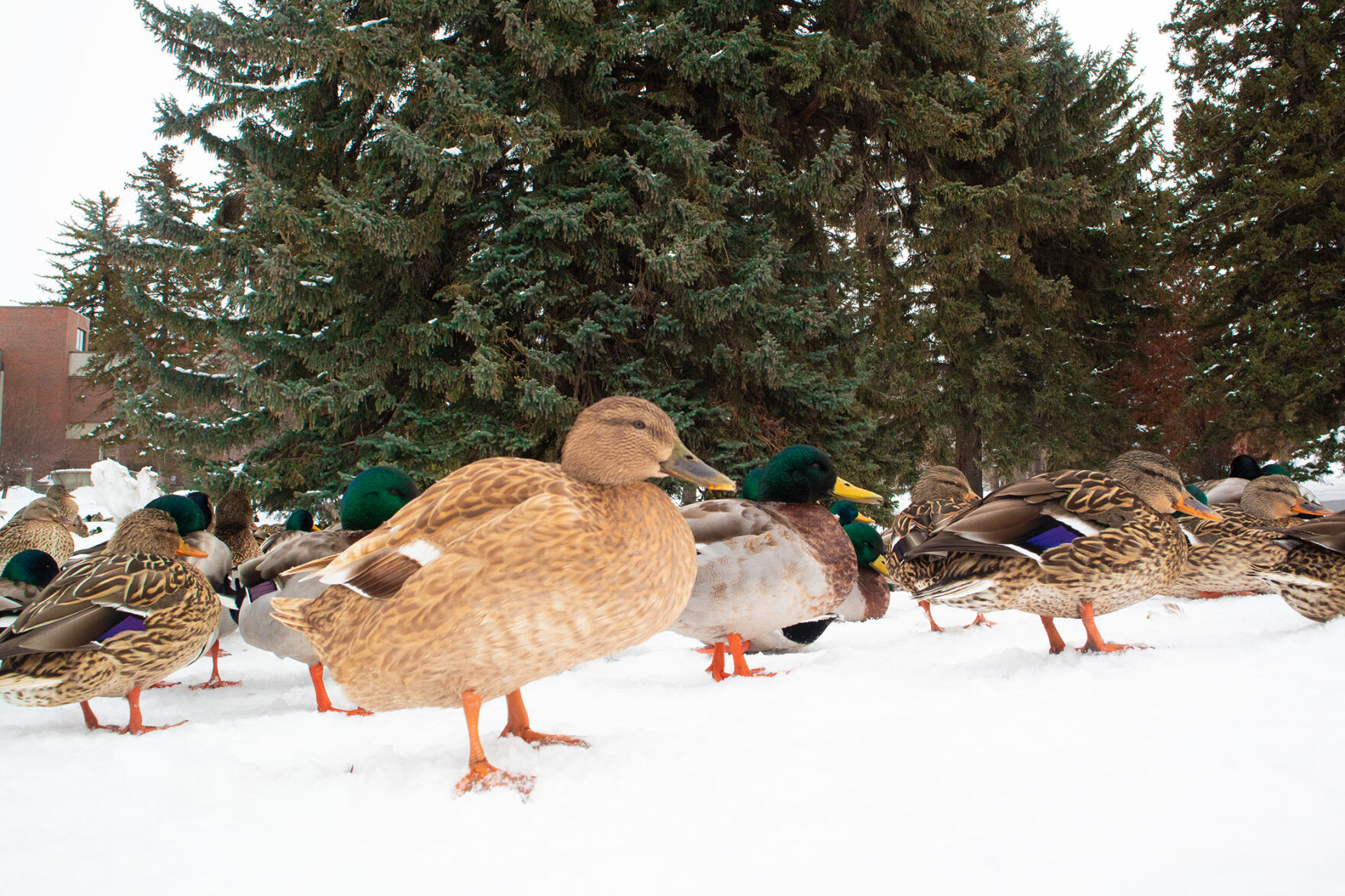
- Because of the increased water circulation from the 2008 renovations, the water in the Duck Pond is never stagnant, and never freezes, so the ducks always have a nice place to hang out. Aside from this, the university does not directly support the duck population. They are wild ducks who come and go as they please, and survive off bugs and the occasional human snack.
- Montana Shakespeare in the Parks performs in the Grove behind the Duck Pond every summer during duckling season. It is not an uncommon sight for ducks to waddle up on stage for their moment of fame.
- The Duck Pond as a subject for films and photographs was at one time so prevalent that the School of Film and Photography placed an informal ban on using Duck Pond imagery for projects.
- Other creative endeavors inspired by the Duck Pond have been far more successful. In 2022, music student Austin Whisler found inspiration for his first composition while sitting under a tree at the Duck Pond. This composition, which he titled “I Saw a Cloud,” brought Whisler to the soundSCAPE competition in Italy in the summer of 2022.
This corner of campus is a favorite to many, and we must do our part to keep it clean and keep the ducks healthy. If you wish to feed the ducks, your first instinct might be to feed them bread, but bread can actually be detrimental for ducks, as it fills them up with low-nutrition food and can cause many health problems. According to Marine Audubon, the best types of things to feed ducks are foods that are similar to their natural diets, like frozen peas, rice or cracked corn. If you haven’t taken time to enjoy the ducks lately, it's a great way to temporarily lift your spirits out of the late winter doldrums.


Comments ()