
Finding Benefit in Banned Books
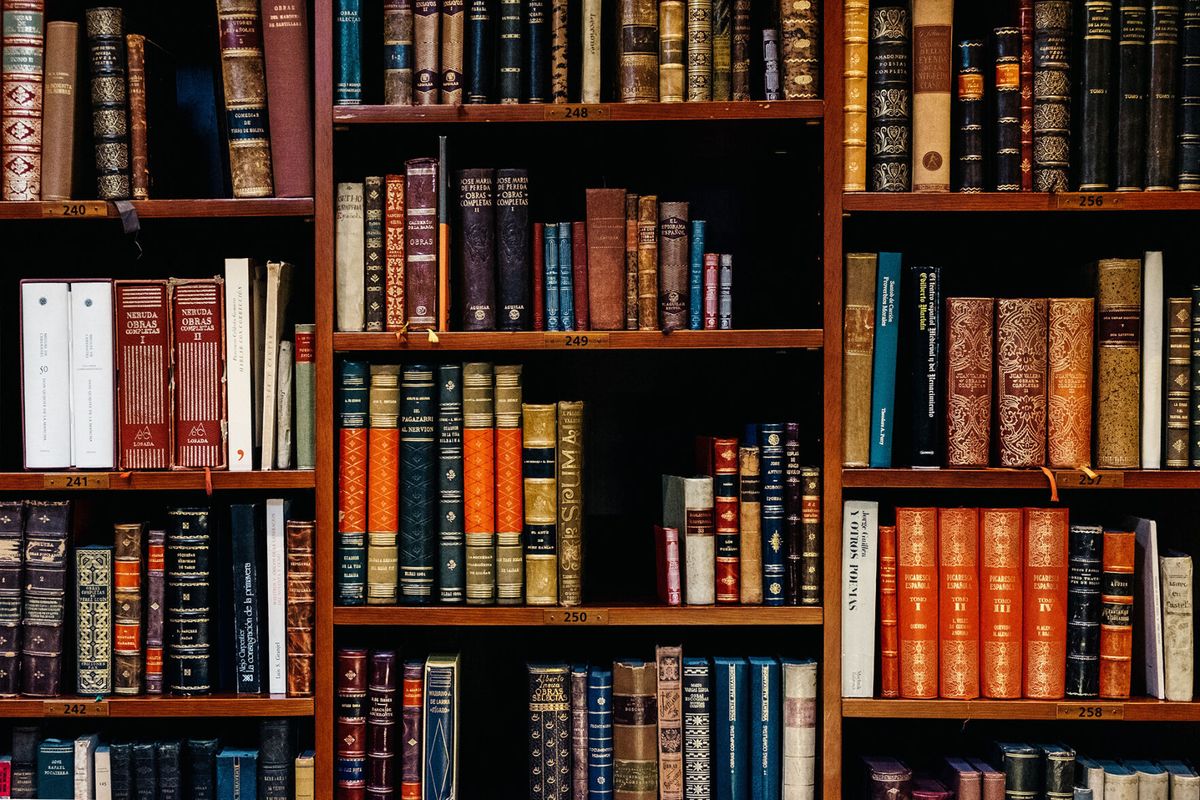
In the coming weeks, the Renne Library will hold a spotlight on the banned books that have been contested both publicly and academically in libraries across the nation. The censorship of books seeks to bar ‘shocking’ messages from the impressionable minds of students; however, the controversial aspects of these books often simply contain viewpoints on race, diversity and sexuality. According to a map made by Andy Carvin, an NPR journalist, Helena, Billings and Missoula have all dealt with contested literature. Although this data was compiled more than ten years ago, literature is still being contested today. The books on display may be banned, but that does not mean the messages in these books are not important.
An employee of the Renne Library confirmed that this was the first time banned books have been highlighted in such an open fashion. There is an informational section, as well as a rather small collection of banned or contested books. The display is available now until a few weeks into October. While getting more eyes on less represented demographics is always positive, the display is unlikely to sway many minds.
What primarily draws students to the library are coffee, study spaces and printers. Besides the few classes which ask for students to take advantage of the collection of books, it is likely seldom used by the everyday student. The demographic of students who would check out a book from the banned book section seems to be a slim group.
Demographic statistics that were compiled in 2020 by the Office of Diversity and Inclusion show a ninety-three percent white student body and that less than one percent of all students identify outside the gender binary. Statistically speaking, MSU is not a diverse campus. Reading banned books that depict underrepresented demographics could help to bring awareness to these minority groups.
It is possible to argue that the polarizing statistics make the banned book display a necessity for increasing the student body's awareness of these less discussed demographics. The more likely scenario, however, would include students who are already more in line with the content discussed in these books to read them. It is difficult to separate the political nature of both their banning and appearance within the library. 'Books of the moment’ are texts used to push a larger political movement. The banning of books is a window into a larger political landscape.
In recent years the display of banned books has been a symbol of antiauthoritarian censorship; however, it is unlikely that a university shares this same notion. These broad displays of allyship, while still important, do not manage to create a sense of peace or confidence for the future of MSU’s diversity and inclusivity. The times are changing faster than the university could possibly institute wide-sweeping reform, but displaying banned books could help expedite this.
Comments ()