
Fly-fishing tips for the Bobcat angler
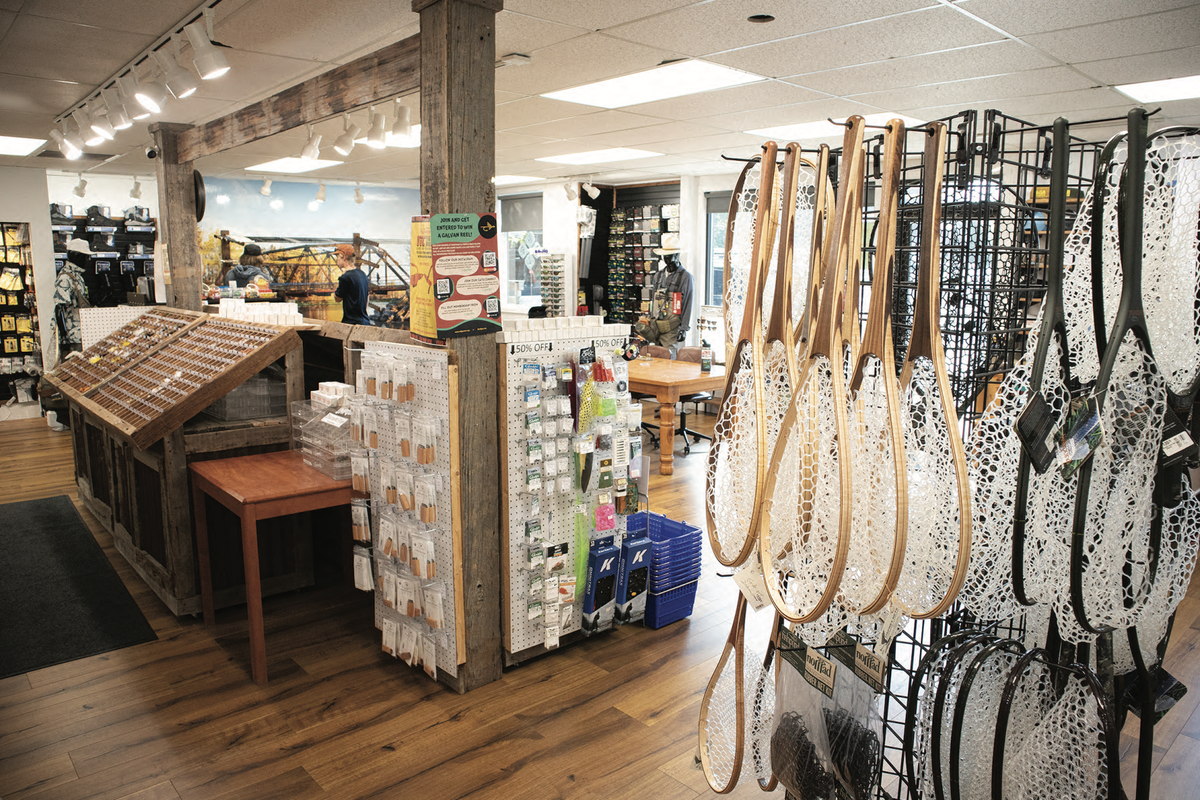
The weather cooling off in Bozeman may mean the end of summer, but it also marks the start of the fall fly-fishing season. Whether you’re an experienced angler or looking to learn how to fly-fish for the first time, understanding the conditions on the rivers is an important step to planning your fly-fishing trip.
Combing through condition reports and searching for any hint at where the fish are or what they’re biting on can be a tedious process. Luckily for you, the Exponent has compiled information from online fishing reports from Bozeman Fly Supply and Simms, a major fishing outfitter headquartered in Bozeman, as well as water reports from the United States Geological Survey (USGS) about three of the most popular fly-fishing rivers in the Gallatin Valley.
On the Gallatin River, flow levels are slightly higher than they have been in previous years but are trending down towards usual levels. According to the USGS, the discharge of the Gallatin River was 538 cubic feet per second (CSF) as of Sept. 17. This is a 55 CSF increase as compared to last year and can most likely be attributed to the fall rains that hit Gallatin Valley. In terms of fishing, the flow rate trending towards lower levels means it's time to lighten the fishing set up by using a lighter line and even a smaller fly than you typically would in the spring or summer according to a Simms online fishing report from Sept. 14.
The temperature of the Gallatin River near Logan, Montana is down to 60 degrees Fahrenheit according to the USGS as of Sept. 17. The cooler temperature is good news — as oxygen levels in the water tend to be increased in colder water which in turn leads to healthy and active fish This is due to oxygen being more soluble in cold water, according to the USGS. As far as tackle goes, Simms reported on Sept. 14 having success hopper fishing and Bozeman Fly Supply reported a day later seeing success on streamers.
Another popular location, the lower Madison River, has been benefiting from especially consistent flows. According to data from the USGS, the discharge has remained between 1440 CFS and 1460 CFS since Sept. 13. These steady flows allow the trout to focus almost exclusively on feeding, leading to a much more active fish population, according to Ivan Orsik of troutsflyfishing.com.
The water temperature on the river has stayed near 64 degrees Fahrenheit during the day, but is trending downward overall and is cooler outside of midday according to the USGS as of Sept. 17. This means the optimal fishing times would be early in the morning or later in the evening after the river has had some time to cool off.
Simms reports that hopper fishing — using flies that mimic grasshoppers on the surface of the water — has been good and streamer fishing has been improving. Bozeman Fly Supply reports indicate that nymphing has been good and they are in alignment with Simms that hopper fishing has been good.
Another option in the area is the Yellowstone River. According to the recent USGS data, discharge was at 2030 CFS near Livingston as of Sept. 1. As for the temperature, it has steadily been trending down with the water temperature high being below 60 degrees Fahrenheit on September 17 according to the USGS. This indicates that the oxygen solubility benefits of cool water can be gained in a broader time of the day, negating the need to make it to the river as early as you would need to in warmer conditions.
According to Simms, terrestrial fishing — fly-fishing with flies that mirror terrestrial insects — has been good and brown trout have been very active. Bozeman Fly Supply has reported success on streamers as well as nymphs in their Sept. 18 online fishing report.
Overall, the cooler fall temperatures should help your fishing endeavors wherever you choose to go. To access the most up-to-date information on conditions, consider checking the website of a local fly-fishing shop and USGS water data for the area.
The websites used for this article include https://www.bozemanflysupply.com/river-report/yellowstone, https://theriversedge.com/pages/gallatin-river-fishing-report, and https://waterdata.usgs.gov/mt/nwis/rt.

Comments ()