
High temperatures to impact local anglers
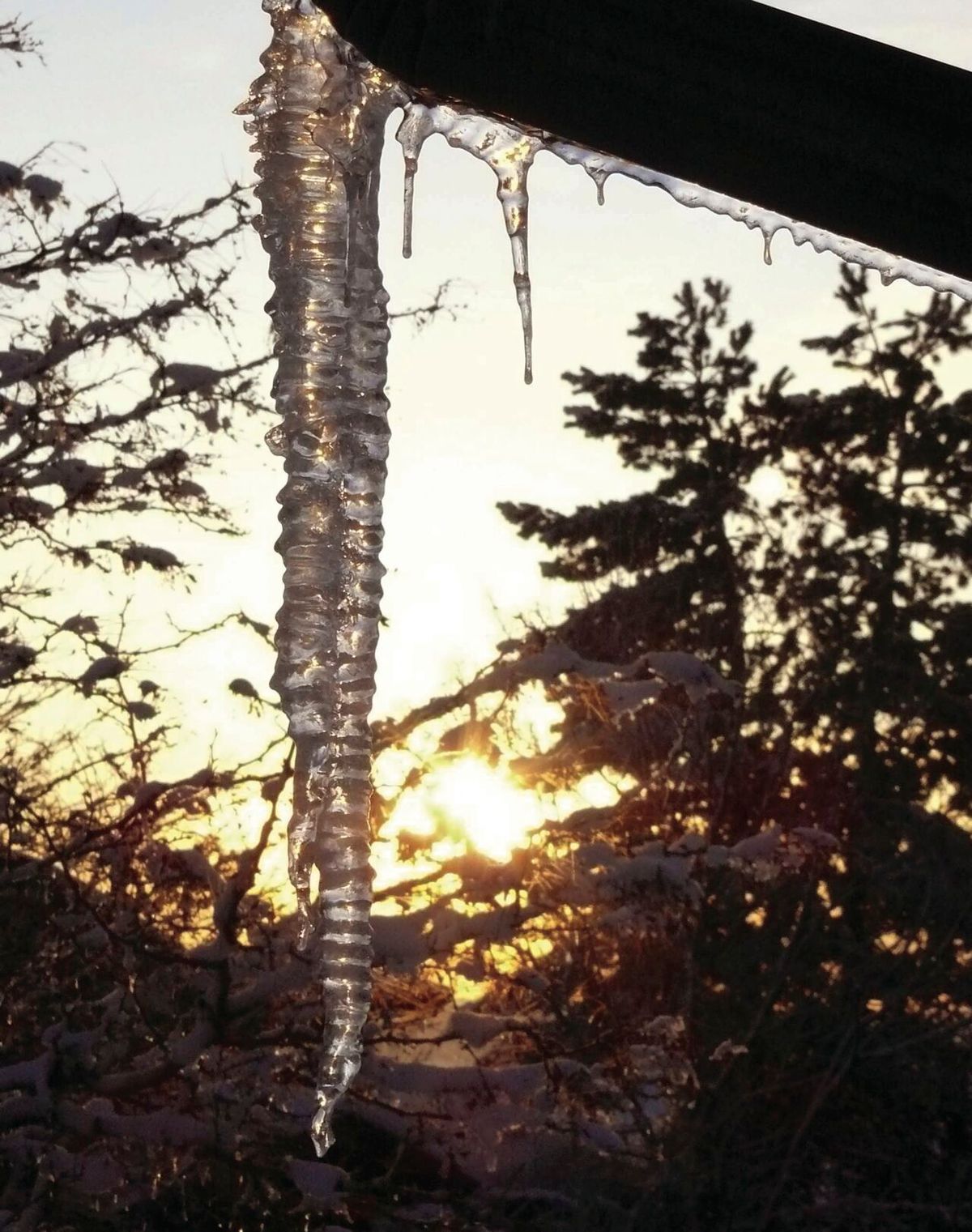
With this winter feeling more and more like spring every day, it’s worth reflecting on how this season’s high temperatures have affected one of Bozeman's largest communities: anglers. Every year, local anglers and tourists from all over come to fish Gallatin County’s hearty stock of rivers and hidden lakes. However, this year’s warming and cooling patterns may call for a rethink on how to tackle water.
Senior conservation biology and ecology student Finn Addison is an avid and knowledgeable angler with years of experience on the water. Much like the 21.5 million Montana angler license holders who take to the rivers every year according to www.statista.com, Addison said he loves the skill involved in tying different flies and the thrill of finding an undiscovered fishing spot. He has always preferred fishing in Montana over his home state of California for its consistency and versatility.
Although the rising temperatures have allowed Addison to get out on the water more this winter, the warm weather has its downfalls. For starters, adverse weather, such as fluctuating temperatures, can have a significant impact on the ecosystem in multiple ways.
One way anglers are directly affected is by inconsistent freezing and thawing patterns, which cause lakes and rivers to be too icy for regular fishing activities, yet not frozen enough for ice fishing, according to a WSAW news article about how warm winters could impact fishing for years to come.
Addison laid out a potential timeline in which these changes could be seen. “The effects of warming and cooling probably won’t be seen until the spring or summer when there's reduced snowpack and less consistent water flows. The rivers will be shallower, warming up the river faster, which puts a huge stress on the fish when they are hooked in fluctuating temps. A lot more die off when you catch and bring a fish from the bottom, with cold temperatures, to the warmer temperatures on top,” Addison said.
In the article “Climate Change: Global temperature,” authors Rebecca Lindsey and Luann Dahlamn state that the Earth’s temperatures have risen by an average of 0.11 degrees Fahrenheit per decade since 1850. Zach Feiner, a scientist with the Wisconsin Department of Natural Resources, began researching some of the long-term effects. “The issue is that with these warmer winters, you actually kind of can cause these fish to be unable to reproduce effectively in the spring indirectly over time. We can see potential declines in the number of cold-water species,” he said in the article.
Not only are fish affected by the fluctuating temperatures, but bug hatches are as well. This deficit adversely affects several of the fish’s primary food sources. “Bug hatches happen at very specific air and water temperatures. If the hatch is interrupted, fish are going to go down to cooler water to feed and not on the surface,” Addison said. This can make it harder for anglers to hook fish in deeper river beds or lakes.
Although the temperature is out of our control, Addison shared that patience is our biggest asset at this point. So grab your rod, collect your patience and recognize that a warmer winter has its pros and cons.

Comments ()