
Hotel Construction Doesn’t Benefit MSU Students, Just MSU
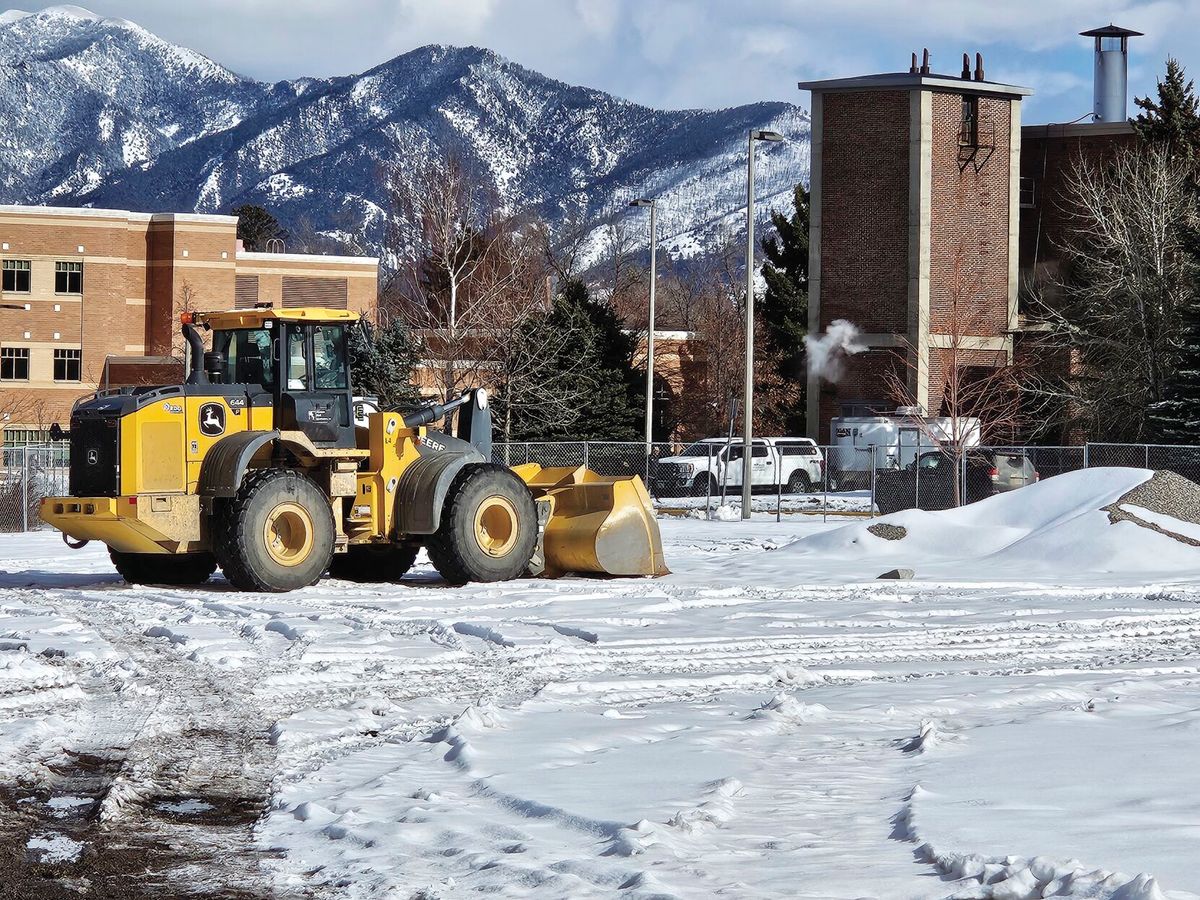
In Sept. 2019, MSU proposed the idea of an on-campus hotel for the betterment of both the culinary arts and hospitality programs, according to the Montana Board of Regents.
In May 2023, the proposed hotel became an exception to MSU’s maximum 20 lease term at a Board of Regents meeting as they approved MSU’s request to enter into a lease agreement with Cross Harbor Capital and its development branch, Lone Mountain Land Company. Now, MSU has successfully leased land to a third-party developer, and soon a Marriott-owned private hotel will be placed right behind Norm Asbjornson Hall.
While adding resources for hospitality and culinary students is a welcome pursuit, building a whole hotel seems a bit overzealous. This Marriott hotel will be the largest and most recent addition to the increasing number of outsourced buildings on campus. Even though it’s purported to be for students, in the long run, this development will hinder both the improvement of MSU as a university and its devotion to the future student body.
According to the Bozeman Daily Chronicle, there are only 53 students enrolled in hospitality management and 26 students enrolled in the culinary arts through Gallatin College. Ultimately, there are more rooms in the hotel than there are students in the fields they are building it for, with over 150 planned rooms in comparison to around 79 students, according to KBZK.
A more elegant solution to enrich these programs may have been to partner up with locally-owned businesses in Bozeman to give opportunities for learning and networking while also developing the land into something actually useful for all future students. After all, MSU has a finite amount of land and a hotel is not exactly critical infrastructure. There are better ways to address a lack of space in certain programs. Maybe even constructing another instructional building other students can share?
Additionally, due to the outsourced nature of the development, it brings both the human and environmental aspects of construction into consideration. The architect responsible for American Indian Hall (AIH) was an alumnus who considered the environment when creating the building, according to the MSU News Service. This can be seen in the reused trees for sections of the wall and some of the furniture. The landscaping around AIH also allows for the planting of native crops and flowers.
I highly doubt these developers will display the same level of consideration for the land. After all, they will have to pave over some of it anyway to create their luxurious valet parking. According to the Bozeman Daily Chronicle, MSU officials said they had a plan that would create a net increase in parking by paving and re-striping other parking lots on campus.
On the other hand, the developers enfranchised with Marriott Hotels are responsible for hotel parking, which will have about 100 spaces. They also stated valet parking can be instituted during busier times. This means that hotel guests will have better parking amenities than teachers, university employees and students — which sounds about right.
For MSU to announce building an on-campus hotel under the guise of benefitting the students is out of touch considering the small number of students this development will actually impact. According to the Bozeman Daily Chronicle, the development will begin to see revenue after four years and MSU has a 40 percent revenue share in whatever profits the Marriot makes.
Ultimately, we all know that money is at the forefront of this development. MSU is positioned to gain hundreds of thousands of dollars each year from this and is saying it's for the students. Yeah, right. Just like every other outsourced project present at the university, like Firehouse and Chick-fil-A.
When developing a new building or enhancing an educational program on campus, there is always the opportunity to involve all students or introduce local partnerships. What could have been an educational or collaborative local experience has turned into a project to help meet the ever-higher bottom line. When the development is finished, it will truly be a monolith of greed and apathy.
Comments ()