
How Bobcats can prevent forest fires this summer
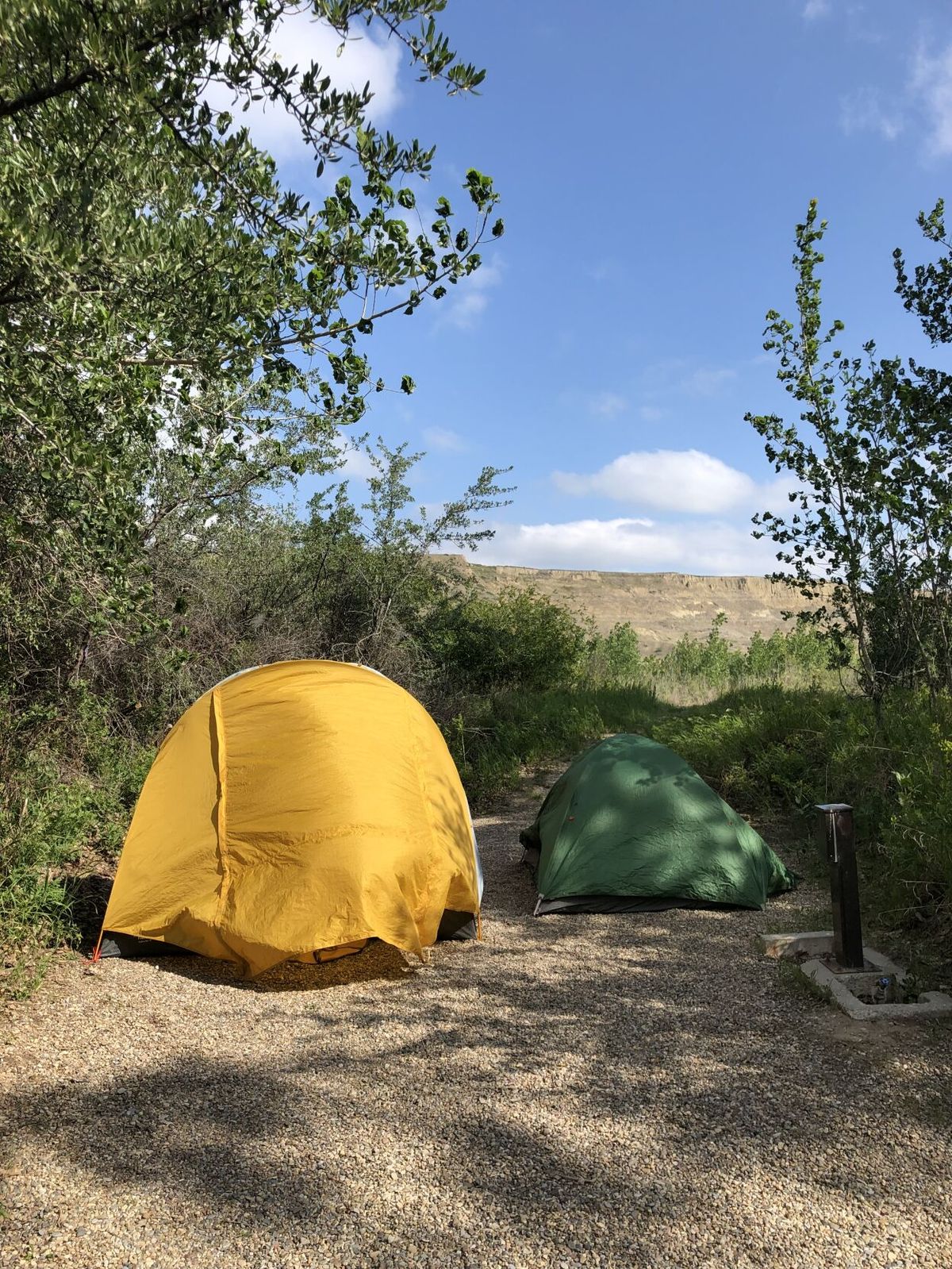
Many students look forward to outdoor excursions over summer break. Few activities are more popular than camping — specifically sitting around a campfire. However, according to the U.S. Forest Service (USFS), this warm and inviting hallmark of summer — if left unattended — is one of the leading causes of wildfires.
Through online prevention programs, detailed guidelines and area-specific fire rules, the USFS provides the public with the knowledge needed to minimize their environmental impact and mitigate the risk of wildfires.
According to the Western Fire Chiefs Association (WFCA), Montana’s fire season is approaching, typically occuring from early May to October. The state has experienced above-average temperatures over the past three years, leading to frequent and prolonged drought conditions that have heightened the risk of wildfires, according to the WFCA.
The USFS website provides guidelines for fire safety. When building a fire, use only dead and downed wood. Use established fire rings — do not build your own out of rocks. Burn all wood and coals to ash, fully extinguish the fire and then spread the cooled ashes. A smoldering fire left behind can be reignited by the wind, potentially leading to a wildfire, according to the USFS website.
The USFS also hosts fire prevention programs for the public. For example, the Sierra National Forest focuses on preventing human-caused wildfires through public education, community activities and direct suppression.
In certain areas, campfires are banned entirely. In the Custer Gallatin National Forest, open fires are prohibited in the Absaroka-Beartooth Wilderness Area, the Black Canyon drainage off the Lake Fork Trail and the Fossil Lake/Dewey Lake area of the upper end of the East Rosebud Trail, according to the USFS website. Leave-no-trace fires are allowed elsewhere in Montana.
Additionally, people must find out what fire restrictions apply to the area they are visiting. Camp fires may be temporarily prohibited due to high fire risk. To check for any bans, review the alerts and warnings in the sidebar of the Forest Area section on the website.
Taking precautions and preparing can help prevent accidents that damage the environment. Isaac Widmer, a student and employee for the Associated Students of MSU Outdoor Recreation Program (ORP), shared a story from his younger years where being prepared made all the difference.
While camping, he and his friends built a shelter using sticks and fir boughs and made a chimney to contain a fire. However, the fire spread to the boughs, creating a dangerous situation. Luckily, they were prepared and brought shovels that helped them extinguish the fire.
Looking back, Widmer acknowledged that they should have done things more safely, such as using a pre-made fire ring. The experience had taught him the importance of packing the right equipment for unlikely scenarios.
Ava Lenox, also an employee for the ORP, stressed the importance of being informed before you go into the backcountry or camping. “Take it slow and act well,” she said.
For more camping guidelines and safety tips, visit https://www.fs.usda.gov/main/custergallatin/home.

Comments ()