
Iconic Yellowstone grizzly activist releases memoir
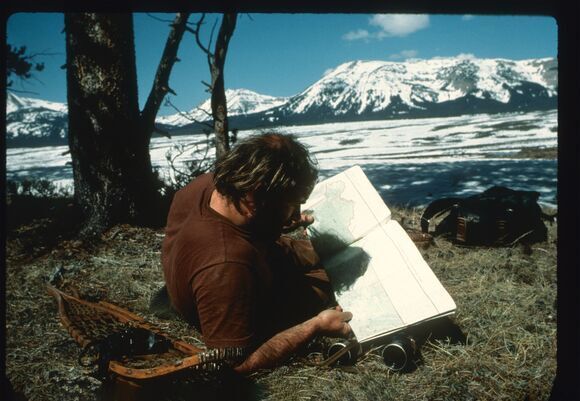
Doug Peacock, one of the foremost defenders of North American wilderness and an outspoken ally of Yellowstone National Park’s grizzly bears, recently released his memoir. The book, “Was It Worth It?,” details Peacock’s life as an outdoorsman and delves deep into issues surrounding wildlife protection and climate change. Peacock spoke with the Exponent about the book and his unique, intense relationship with wild places.
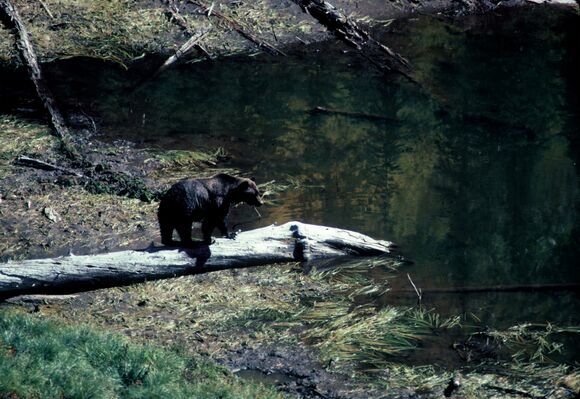
As a child, Peacock spent his days roaming the woods and wetlands of his home state, Michigan. There, he developed a deep love and curiosity for all things wild that endures to this day. Upon visiting Yellowstone National Park, Peacock found himself enthralled by the grizzly bears that are native to the area. He began spending the summer months living in the Yellowstone backcountry with the bears and documenting his experiences. “Bears are a much more sentient being than anyone ever imagined,” Peacock said. “Their ability to socialize is incredible.” Peacock has been a staunch advocate for grizzly bear protection for many years and has written extensively on the topic. He is unafraid to express his position on controversial issues, and at times he uses “Was It Worth It?”as a vessel for his arguments. In a chapter simply named “Why I Don’t Trophy Hunt,” Peacock explains why he feels trophy hunting for grizzlies is unnecessary and a poor solution to problems between bears and humans. Peacock does not even carry a firearm into grizzly country for self-defense purposes. “I believe to this day that in bear habitat, a gun will get you into more trouble than it will get you out of,” Peacock writes. In 2016, he founded Save the Yellowstone Grizzly, an organization that aims to fight back against recent efforts to remove the protections grizzly bears receive under the Endangered Species Act. “We don’t know these animals much anymore,” Peacock said. “What we don’t know we fear, and what we fear we hate. That’s where all this comes from.”
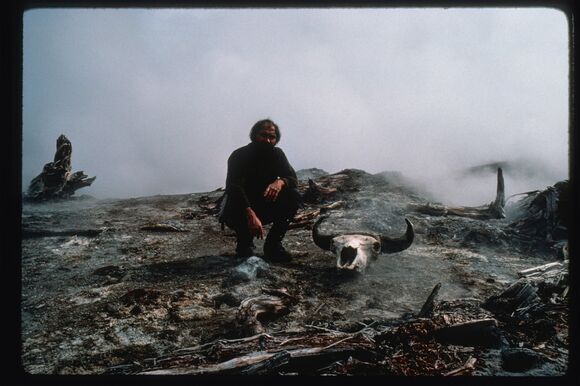
Before Peacock discovered his fascination with grizzly bears, he was drafted to serve in the Vietnam War and did two tours as a medic with the special forces. Peacock was awarded a Soldier’s Medal, a Vietnamese Cross of Gallantry and a Bronze Star, but the carnage he witnessed while serving horrified — him. “The most traumatic events of Vietnam were not the battles and the thousands of bullets shot at me —- and indeed they were — but rather the deaths of children,” Peacock said. “I witnessed too much ‘collateral damage’ — that cowardly term we apply to the pile of small dismembered bodies after a botched air attack.” Peacock’s war experience prepared him for the no-holds-barred environmental activism he would undertake after completing his service, but it also left him with trauma. When Peacock was finally allowed to return home, he needed to heal. “(Vietnam) made me seek out wilderness,” he said.
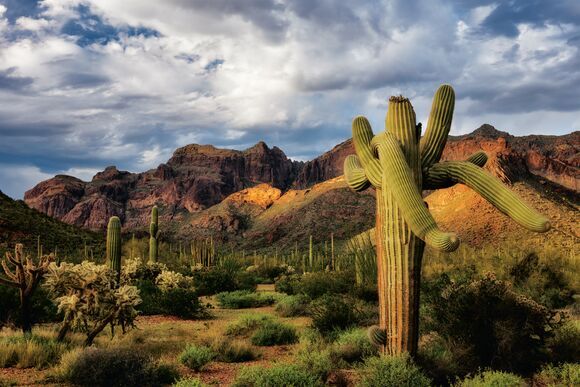
In the colder months when the grizzlies of the Northern Rockies go into hibernation, Peacock hightails it to the desert regions of the Southwest. “I love the lower Sonoran Desert of Arizona where there’s jaguars and ocelots and mountain lions and all this beauty of flora and fauna,” Peacock said. In his younger days before he had children, Peacock would traverse vast swaths of desert on foot, alone. Carrying his own water and refilling at natural tanks whose location he had memorized, Peacock would cover well over 100 miles in less than two weeks. “It was a great indulgence,” Peacock said. “Solitude is indeed the greatest well I’ve ever known.”
During his time in the desert, Peacock became close friends with the legendary author and conservationist Edward Abbey. In fact, George Washington Hayduke of Abbey’s “The Monkey Wrench Gang” is a character molded from Peacock’s image. The two men inspired each other throughout their friendship, and Peacock was at Abbey’s side when he took his final breaths. “We learned from each other,” Peacock said. “We spent a lot of time together, and the value we shared was the value of wilderness. We both somehow knew — on our own — that wilderness was the only thing worth saving.”
Together, Abbey and Peacock represent a bold brand of environmental activism that pays little mind to the law. Over the years, Peacock has been involved in many acts of civil disobedience in the name of wilderness protection. The term ‘monkeywrenching,’ as alluded to in the title of Abbey’s novel, refers to nonviolent acts of sabotage such as cutting fishing nets or disabling vehicles. Peacock writes, “Embrace the necessity of civil disobedience. What’s right isn’t always legal and vice versa.” As with all acts of civil disobedience, Peacock’s tactics are certainly controversial. He has risked trouble with law enforcement before, and he may again. Through his writing, Peacock makes clear that behind every act of monkeywrenching is a deeply rooted belief in wilderness protection.
In the final pages of “Was It Worth It?” Peacock divulges his full take on climate change, at times portraying a bleak outlook on the planet’s future if current climate trends continue. “For a father who loves the Earth and finds joy in defending wild landscapes, considering our demise as a species is not a pleasant exercise,” Peacock writes. He argues the intensity and future risks of climate change are watered down in mainstream media, and urges readers to engage with climate science. Although his message is urgent, Peacock does not believe all hope is lost. “We just have to fight … all of us. Right now. Put our foot down and not let it go any further, because we’re at tipping points,” Peacock said. “I’m not doomsday, but the situation is dire.”
Peacock’s memoir reflects a remarkable life lived among the wildest of creatures and environments. His mark on wilderness and environmentalism will endure long after he does. Through joy and sorrow, terror and excitement, war and peace, Peacock kept a tight grasp on his guiding light: wilderness.
“It was worth it,” he writes.
Comments ()