
Ignorance is Bliss for National Politics
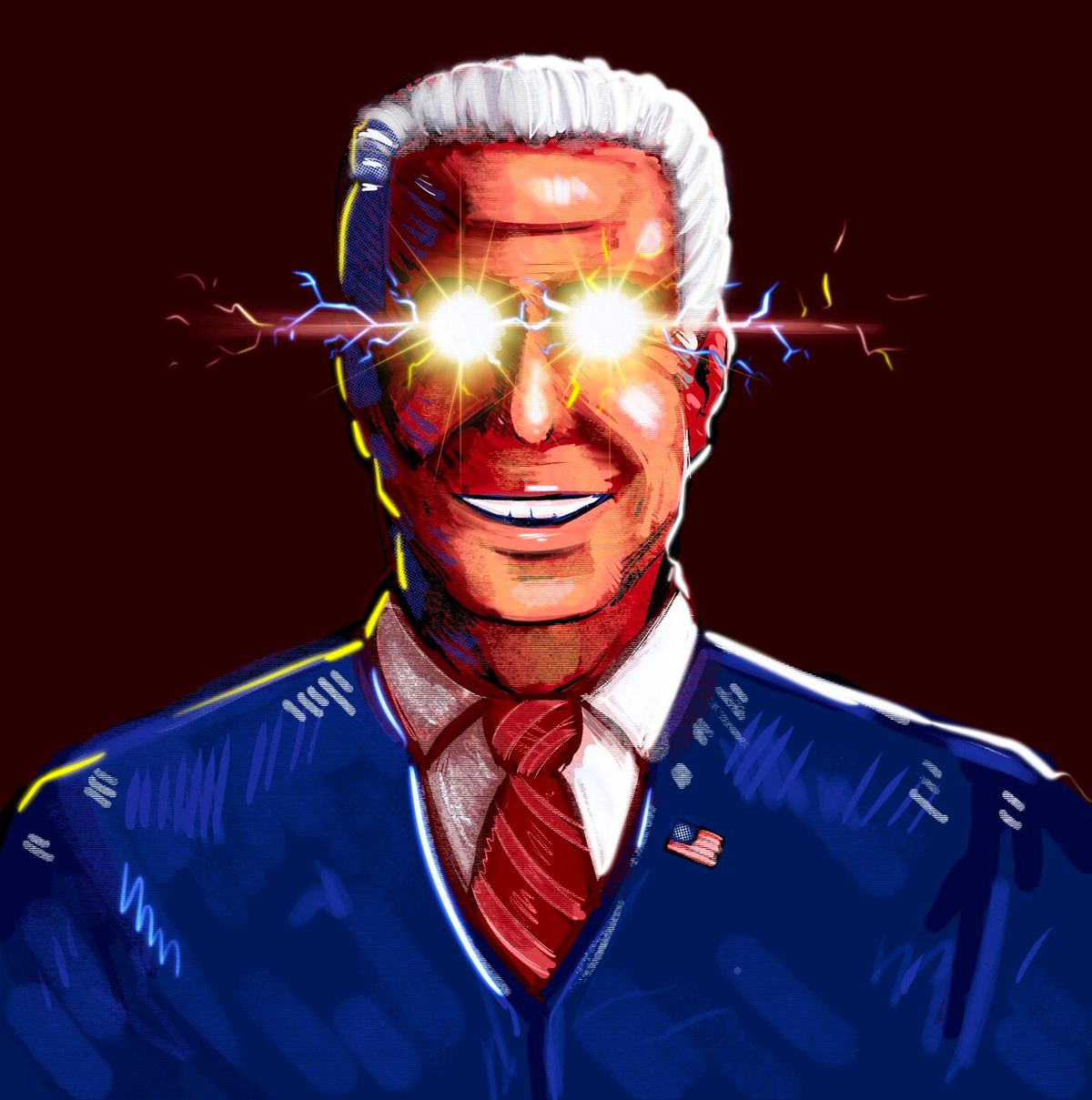
The state of national politics right now is so dismal that not even political science majors want anything to do with it. And why would they? Staying informed at all feels like psychological self-harm, regardless of one’s ideology. As a political science minor, when I chat with my peers, we often agree that we love understanding how our government functions and can’t wait to get involved in local issues. However, we also feel that ignorance is bliss with regard to national politics.
Around 65% of Americans feel exhausted when thinking about politics, according to the PEW Research Center. For example, the last time I caught up with the news, I saw Minority Leader Hakeem Jeffries on ABC News calling Republicans in the Senate “wholly owned subsidiaries of Donald Trump,” and Republican Senator Marjorie Taylor Greene alleging to reporters that Democrats intentionally tricked Republicans after a failed vote to impeach the Homeland Security Secretary. I quickly turned the news off; it felt like too much of a headache to keep watching.
Staying informed has always caused some level of stress. But when the political climate becomes too turbulent and ill-mannered, it feels too upsetting to pay attention at all. This is such a common sentiment that the American Psychological Association calls it “headline anxiety” or “headline stress disorder.”
Jada Pierson, a sophomore political science student, said that sometimes “being blissfully ignorant is a better way to live because it can all just be too much.”
“I used to be so aware and so, like, oh my gosh, did you know this was happening? But now, I just stay away because it’s too upsetting,” Pierson said. “The last time I looked at the news, I was looking at what was happening in Gaza and Ukraine. I kind of spiraled. I felt like we couldn’t figure out anything. And then I started looking at our own country and really felt like we’re imploding a little bit.”
Pierson said she still has confidence she can make a change on the local level, but that it’s hard to imagine positive change on a national level. “It’s kind of hard for our entire generation to have a sense of hope, at least from the people I’ve spoken to, because when they take a step back and put party aside, pretty much everybody can agree that it’s kind of impossible to find anything hopeful when everything is going so terribly,” she said.
Lily Jones, a freshman political science student, said, “I think there can be a hopeful future. It doesn’t keep me awake at night at all. I think that some serious change needs to occur to make our country less divided. I just make sure to do my civic duty and help, hopefully, inspire other people to vote and get involved themselves.”
Comments ()