
Influencers in the Time of COVID-19
Everyone remembers the beginning of quarantine, marked by “Tiger King,” whipped coffee and frenzies at grocery stores. With people trapped inside, there was a huge social media usage spike, allowing people to see social media influencers even more than they had before. Because of this, the app TikTok also gained popularity. Roughly six out of every ten people have an active TikTok account, according to the statistics websitestatista.com. In March of this year, TikTok gained 12 million users, which was a 50% increase from January, according to emarketer.com, a research company that gathers data on digital commerce. The COVID-19 pandemic gave TikTok influencers more power and, rather than using it to be negative role models, influencers should use their platform for good.
Influencers on TikTok share some similarities with YouTubers who rose to fame through daily vlogging, or video blogging. TikTokers often film nearly everything they do and easily splice it together through the app, making even the mundane feel interesting. YouTubers do the same thing, drawing people into their life with the little things and then steadily raising the bar on the crazy meter in order to maintain viewership. TikTokers have been showing the same trend, especially with the introduction of the “creator fund” on the platform. This fund allows creators to sign up and get paid $0.10 per one thousand views. Now, creators are even more likely to do whatever it takes to get their viewership up high enough to rake in as much money as possible.
With this rise in popularity and views on the app, groups calling themselves “hype houses” have increased their output of content. “Hype houses” are collaborative accounts that post content of multiple creators all participating in similar activities or having the same goal. The biggest group is the “Sway House,” composed of notable TikTokers Bryce Hall, Jaden Hossler and Griffin Johnson, who each have more than one million followers. Some of this content is innocent jokes and harmless daily vlogging, but much of it is wilder videos intended to keep viewership up.
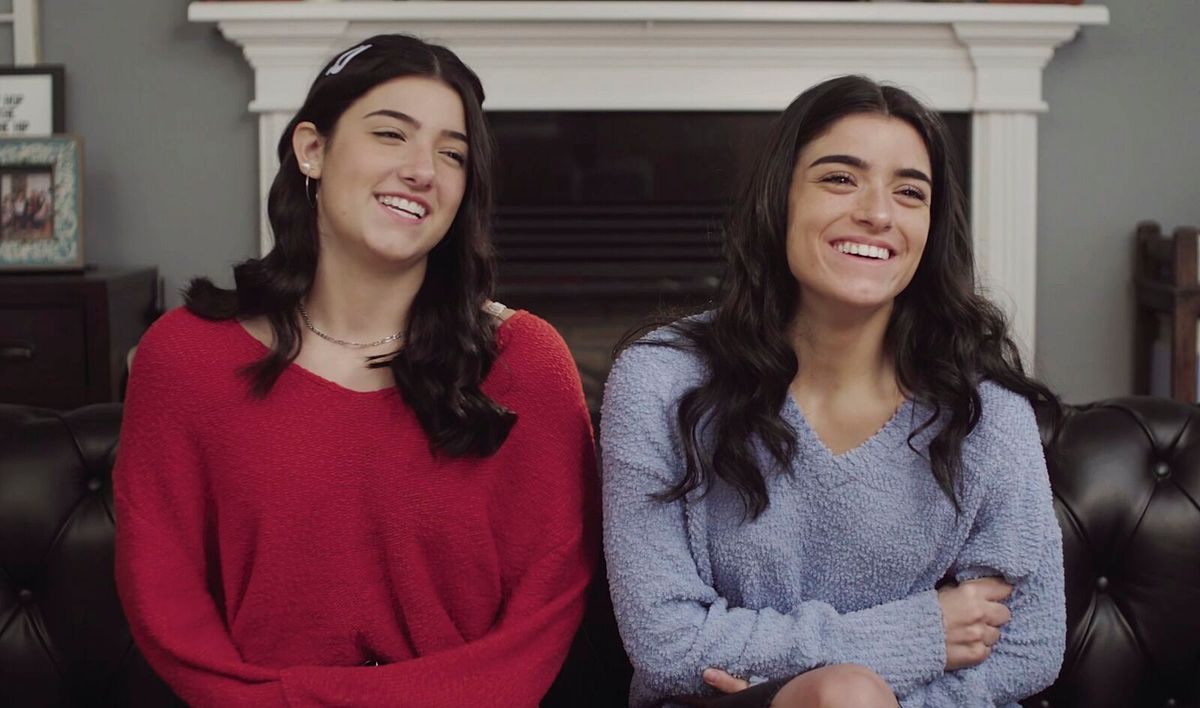
Most states issued some form of shelter-in-place order that required residents to stay home to limit exposure to COVID-19. Some states, including California, even went so far as to make non-essential trips out in public illegal. Many celebrities and influencers live in California, mostly Hollywood and Los Angeles, which should mean that these individuals would be safely inside or outside in very small groups, six feet apart and masked up. But videos depicting partying in large groups with little personal space and without masks are often produced by big name content creators from Tiktok. Creators such as the D’Amelio sisters, Addison Rae and many members of the Sway House have all been caught on camera at large gatherings or in public without their masks on and/or less than six feet away from others. Even worse, some of the aforementioned creators have posted videos showing themselves participating in these dangerous and potentially criminal acts. Because of their notoriety and influence, fans of the influencers could be led to believe that these types of behaviors are okay because their role models are doing them.
Of course, there is the argument that these influencers are just young adults like the rest of us who have never had to live through a pandemic. While this is true, influencers have always been aware that they live under a microscope, and they know that their actions have impacts on their fans. Teens should be able to be teens, yes, but they do not have the right to put others in danger or make bad impressions on young people just in the name of being a teenager. Party when the pandemic is over, people. Read the room.
Influencers should instead use their platform, no matter how large or small, for good. They should use their account to show fun things to do at home, remind people to mask up when not home or just to keep people from feeling too alone in one of the loneliest times we have had to face. Influencers don’t necessarily post content that might encourage bad behavior from fans, but that does not excuse them for the problems that they cause or worsen during a pandemic.
Comments ()