
Inside MSU’s Steer-A-Year Program
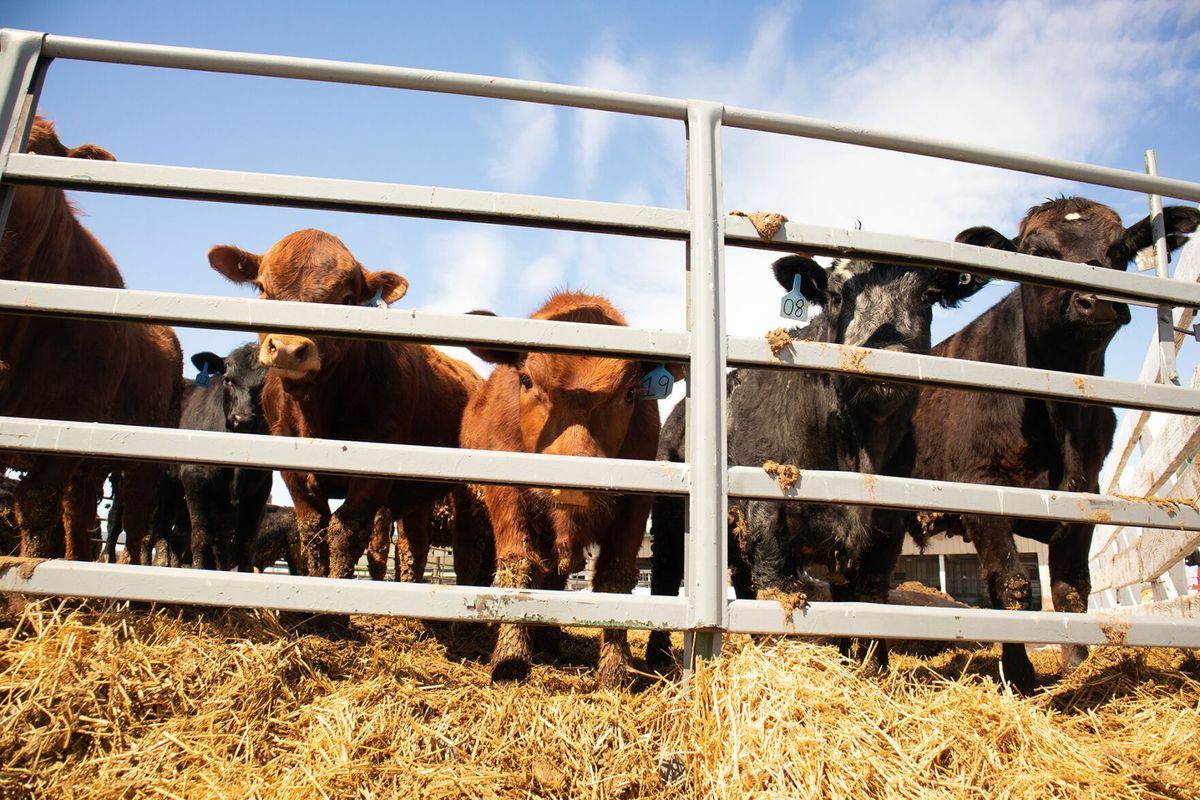
Only a few programs at MSU can boast a connection to education, student engagement, community involvement and on-campus dining all at the same time. The Animal Science department of the College of Agriculture’s Steer-A-Year program, which gives students the opportunity to raise cattle, accomplishes all of these missions.
“This year, we have 37 steers on campus, and they came from 35 different producers,” said course instructor Hannah Delcurto-Wyffels. Steers are donated from all around Montana for the program to use.
“One reason producers donate to the program is for our hands-on learning in the animal and range science department. And it's a fundraiser: The money from those steers goes to support students in the College of Ag,” she said.
Student groups supported in the college include Collegiate Stockgrowers, judging teams, beef practicum and different 4H events.
Those who join the program have the opportunity to get hands-on learning in the beef industry from contacting producers and reporting steer performance to vaccinations and daily feeding.
The program is structured around ANSC 437, the professional development in beef feedlot systems class. The year-long program utilizes fall and spring semester classes to make it all happen.
“The fall class does the majority of the work to solicit donations. They do all the calls to the donors, and getting the steers to campus and doing everything to get them going on feed and all the initial processing. The spring class does more of the day in day out feeding, since we have steers on campus the whole spring semester,” Delcurto-Wyffels said.
Jeremiah Peterson, who is getting his masters in ruminant nutrition and currently manages the program, said it’s focused on students.
“We allow them to do everything.” Peterson said. “Every time the steers are vaccinated or weighed, they’re the ones doing it. I really step back. They run the chute, vaccinate, tag and implant. The hands-on experience is the greatest part of the class.”
One unique part of the Steer-A-Year program is its relationship with the dining and catering services on campus.
“It’s kind of a neat partnership on campus. Actually all of the steers that we’ve had for the last six years have been sold back to university dining services. So all of the meat products go back to campus. Some of the higher-end cuts are used for catering events on campus,” Delcurto-Wyffels said.
Peterson elaborated on the partnership with culinary services, saying, “Once these [steers] are grown we’ll send a first load in May, June and then July, to Big Timber, where they’ll be processed and the meat is used in dining halls. Kind of a win-win for producers, students and the university.”
The producers from around the state who donate steers during the fall semester are updated regularly throughout the year on how their steer is performing. The students report on feed efficiency, weight gain and overall health.
“So the producer that donates, we return all the information we have back to them, help them make more informed choices on breeding management, and how the calves are going to perform in the feedlot,” Peterson said.
“When the class first started there was a lot of pushback because they didn’t think college kids would take the initiative and it wouldn’t happen and couldn’t get done but it’s been kind of cool because they are pretty responsible,” Peterson said. Now, Peterson said the students get involved and end up creating time to be with the animals even when they aren’t scheduled to feed or check in.
“Students are able to take ownership in the program. We learn this in the classroom and then you go apply that to steers that the students are 100 percent responsible for. I feel like ownership in their education and ownership in the program is super important,” Delcurto-Wyffels said.

Comments ()