
Is Climate Change Bringing Lyme Disease to Montana?
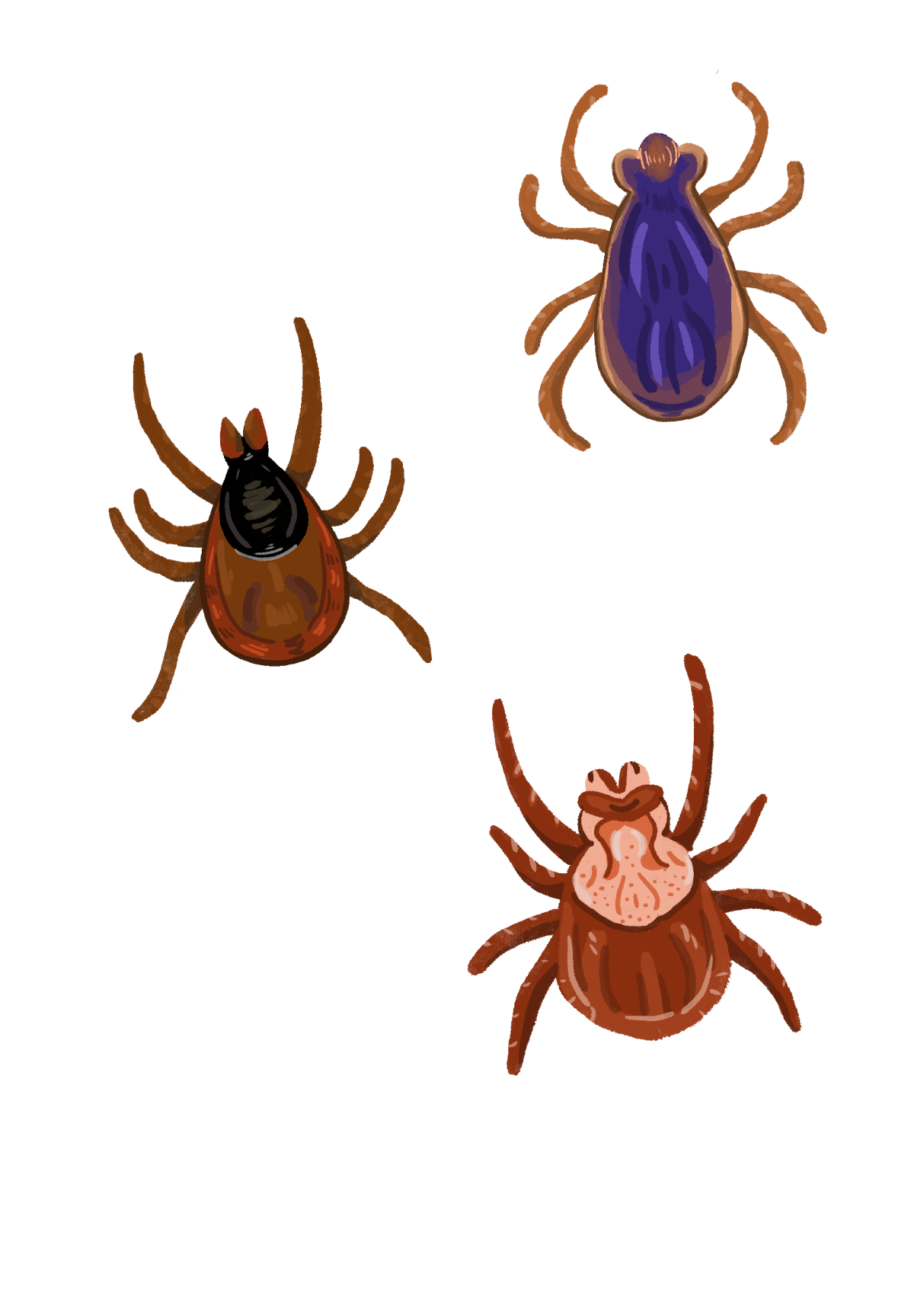
As global temperatures rise and weather patterns shift, we are seeing more and more changes to our natural world. One example is the appearance of blacklegged ticks — known as deer ticks — in Montana. This species can carry and transmit Lyme disease, a debilitating bacterial infection that can cause lifelong problems in affected individuals.
Because of this, it is incredibly important for Montanans to understand Lyme disease symptoms, how to protect themselves from ticks, and what to do if they suspect they have been bitten.
According to the CDC, ticks are part of the arachnid family and are classified as external parasites. There are a variety of tick species, and some can carry diseases, including Lyme disease and Rocky Mountain Spotted Fever. Although several species of ticks, including wood ticks, are native to Montana, deer ticks are the only ticks in the U.S. that can carry Lyme disease.
After MSU’s Schutter Lab identified the first deer tick in Montana last spring, it was sent to the Rocky Mountain Laboratory in Hamilton for genomic sequencing to test for the Lyme disease pathogen.
According to the Mayo Clinic, Lyme disease is transmitted to humans through infected deer tick bites. The first signs of Lyme disease are a bullseye rash and common flu-like symptoms.
The disease is treatable with antibiotics, but many cases have lasting effects such as chronic fatigue and heart or cognitive issues. Deer ticks are much smaller than wood or dog ticks, which makes them much harder to find on your body.
So, what does this mean for the outdoorsy folks in Bozeman and around Montana? Many people retreat to the outdoors for adventure and relaxation — something that can certainly not be achieved if you are worrying about tick bites while you are out in nature. Anyone who has experienced it knows there is no greater disgust than finding a tick in your hair.
“I have lived in Montana for 21 years, and I never saw a tick until last summer,” said Aedan Hanson, a Bozeman climber.
I myself have lived in Montana for the past three summers, spending most of my time outdoors. However, I never found a tick until last spring while climbing in the Gallatin Canyon.
Even if some species of ticks are native to Montana, we have to ask ourselves why we haven’t seen deer ticks in Montana until recently. According to Marni Rolston, a 30-year Montana resident and diagnostician at the Schutter Lab, the nearest deer ticks were previously found in north-central North Dakota.
“Longer summers and shorter winters can contribute to deer ticks surviving in Montana,” Rolston said. She also said that ticks could be migrating to Montana by attaching themselves to deer. Currently, scientists are investigating whether or not deer ticks can overwinter in Montana. According to Rolston, only three deer ticks have been found in Montana so far.
“There seems to be more and more consensus that climate change is one important variable,” she said. According to Rolston, it is difficult to know if deer ticks are here to stay until a significant number have been found.
Rolston also said that funding for landscape surveillance this year was reduced, so scientists have not been able to spend as much time in the field looking for ticks.
As summer comes to a close, it is important to stay vigilant and take precautions as we spend time camping, climbing and recreating outdoors. You can protect yourself from tick bites by wearing long pants tucked into socks when hiking, using tick-specific bug spray and washing your clothes in hot water when you get home.
Moreover, deer ticks are so small that they can look like a freckle, so be sure to check yourself if you have been in a particularly wooded area. It is so important to be aware and protect yourself and your loved ones from Lyme disease as you adventure outdoors!
For more information on ticks and Lyme disease, visit https://www.fda.gov/consumers/consumer-updates/ticks-and-lyme-disease-symptoms-treatment-and-prevention.
Comments ()