
It’s Time to Lock In, Because Your Real Life is Now
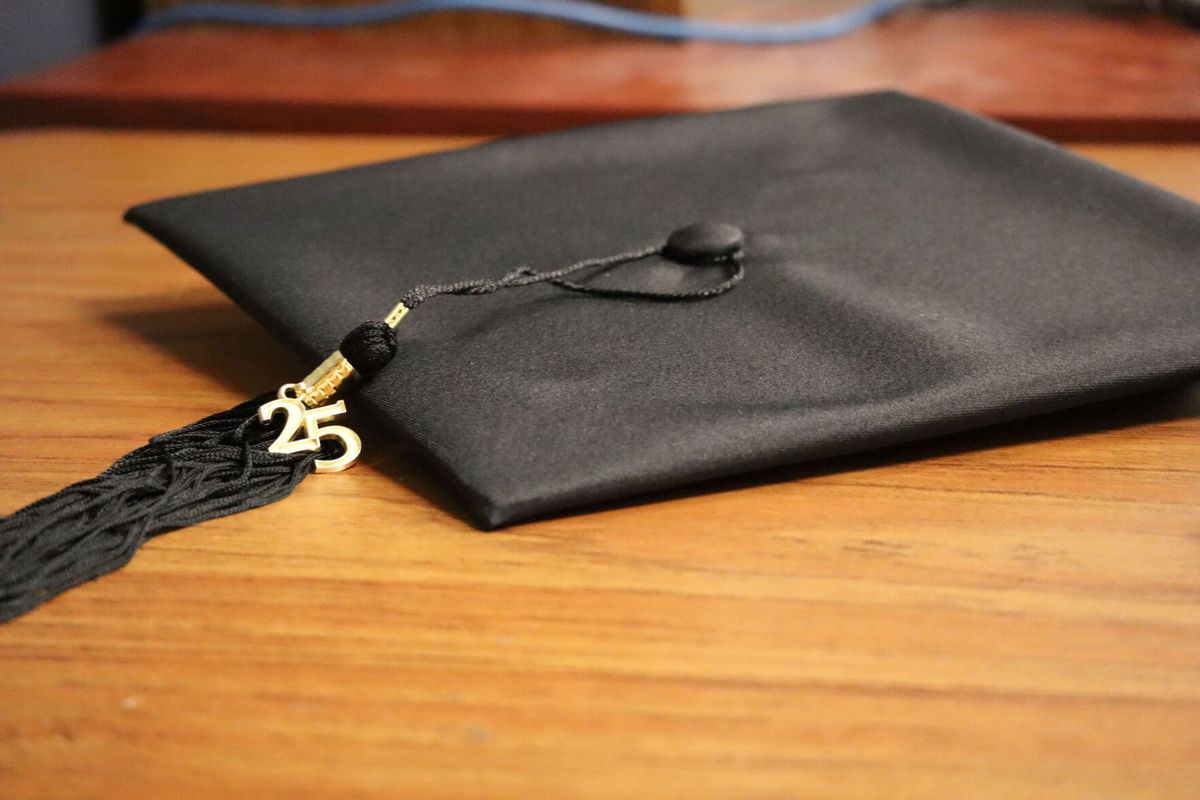
During a recent phone call with a friend, he said something that made me want to tear my hair out: he couldn’t wait until he graduated so that he could start his “real life.” I wanted to grab him by the shoulders and emphatically tell him that his real life had already started and that he was living it as we spoke. But it was only a phone call, so I had to settle with just telling him how I felt.
Many students do indeed have jobs, bills and classes to worry about, but that doesn’t seem to change the mindset that college life is somehow different or separate from the rest of one’s life. Student success is tied, in part, to connection with the community at large, not just on-campus connections. According to a study by Ph.D. in History of Higher Education Alyson King, universities that integrate their surrounding communities on campus are more likely to have successful students.
I understand how students might conclude that real life doesn’t start until after college. Being at a university insulates you from some of the challenges and responsibilities experienced by someone who isn’t in college. You are surrounded by the notion that you are preparing for the real world. For example, classes are often focused on industry skills and knowledge, many of which you can’t put into practice until after you receive your diploma.
Students are also able to avoid some of the consequences that others would not. When designing their schedules, many of my friends plan ski days into their week or days with few classes and responsibilities. You can scrape by with subpar grades in many classes, and the social consequence of ditching to go ski is almost always positive. However, if you miss every Friday of your post-graduate job to go skiing, your coworkers will hate you and your employment will be brief.
Outside of education, college students remain isolated from the broader communities they occupy. Many students attend schools that are not in their hometowns and spend their entire undergraduate career making few connections outside of other college students. If you only live somewhere for four years, it is easy to mentally separate those years from everything else — but that doesn’t mean they are actually separate.
Whether you take college seriously or goof off the entire time, you are fully responsible for the outcomes of your life. It can be frightening to think that you fail or succeed based solely on your merit and hard work and that what you do now will have permanent consequences. However, it can also be liberating to know that the things you work on now can yield positive results far into your life.
By separating your college experience from the rest of your life, you risk missing out on learning how to be responsible while you have the support of a college network. According to a 2011 article by Tusculum University, personal responsibility is a critical factor for post-graduate success.
This separation can cut students off from the benefits of a holistic approach to self-improvement, learning and relationship building. By delaying the start of your real life, you avoid some of the negatives of accepting full agency for your actions — but you also lose out on all the benefits.
It isn’t difficult to reframe your mindset and understand that your life has already started — you just have to stop waiting. All of the things you are planning to start after college? Start them now. If you want to learn a language, don’t wait until you have more time — you probably never will. If you want to better your community, start volunteering; don’t wait for the perfect opportunity to contribute.
You should live with the knowledge that four years at a university is not a little vacation from the real world, but a good foundation to take responsibility for your life and all the positives and drawbacks that go with that.
Comments ()