
Kirk Branch’s advice: get sidetracked
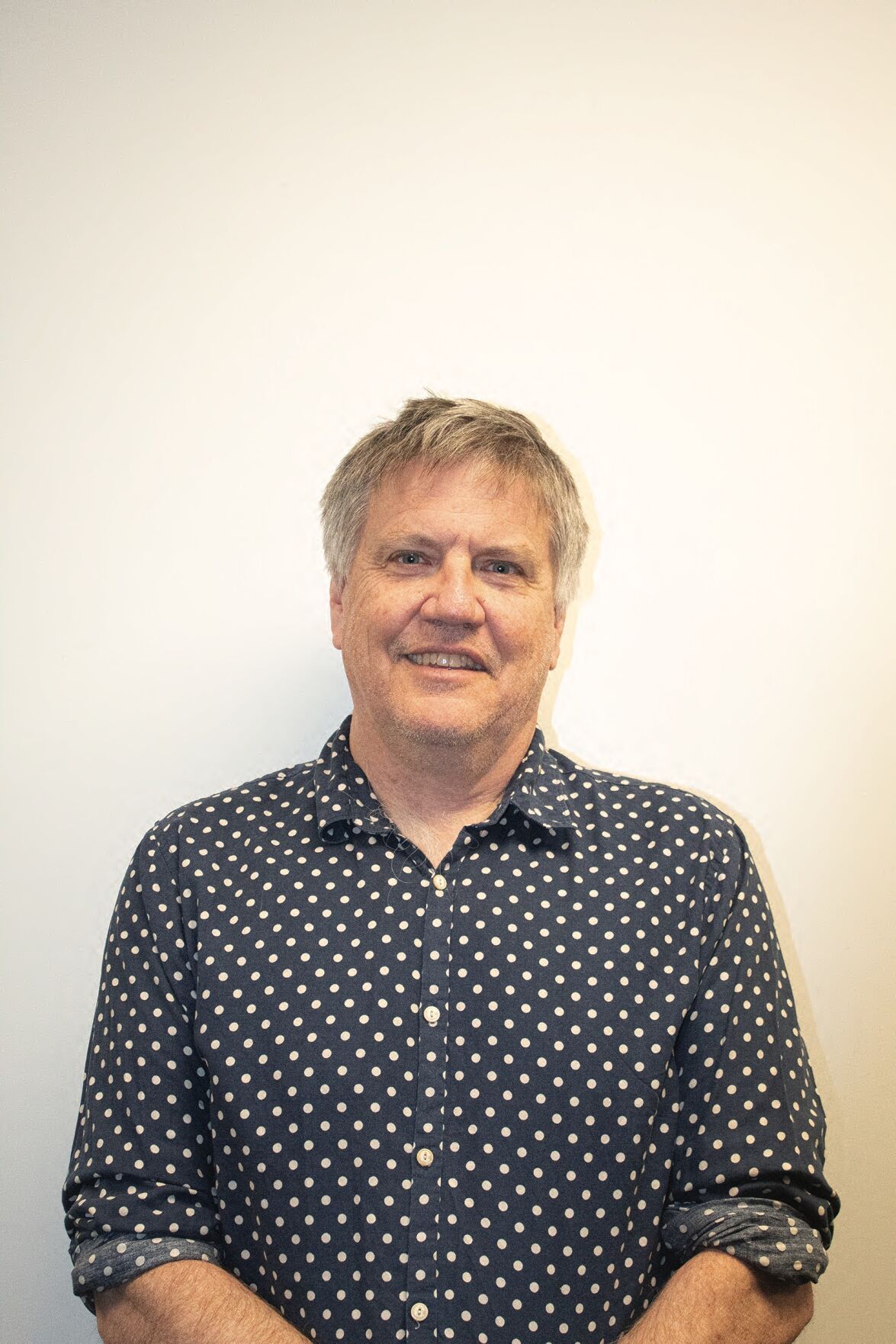
Although MSU professors are busy teaching classes, they often have other jobs outside of the classroom that students might be unaware of. Kirk Branch of the English Department is a great example of one such professor. After earning his doctorate in language and rhetoric from the University of Washington, he became a faculty member at MSU in 2002. His research and teaching has benefited the university ever since.
Branch moved to Seattle in his early twenties, where he was a tutor at the local Goodwill Community Learning Center (GCLC) for almost eight years. “That was where I did my first teaching,” Branch said. At the GCLC, Branch taught English to “mostly African Americans, mostly older — forties, fifties, mostly undereducated people.”
“It was the coolest work I’ve ever done, and I met the most amazing people,” Branch said. “I was working with some of the smartest people I’d ever met, and it quickly disabused me of this idea that the education I was bringing into the classroom made me smarter than those students,” he continued.
Branch found the work to be so impactful that he wrote his dissertation about literacy and its racial implications in the U.S. The dissertation quickly expanded into a book that has since been published. “Eyes on the Ought to Be: What We Teach About When We Learn About Literacy” explores tensions surrounding the teaching of literacy in three different unique settings.
“When I was writing about [literacy] in school, I decided I should learn about the literature of the literacy test and learn as much as I can, and it turned out that there was very little and I got very curious about that, why it hadn’t been written about very much,” Branch said. His current research focuses on the literacy test that U.S. citizens were required to take from 1855 to 1965 before registering to vote. Literacy was used as one of many tools to keep African Americans from voting — a topic that Branch's research is primarily focused on. “There wasn’t any robust serious scholarship done about it, so I just started digging around, and I decided I should do that,” Branch said.
Branch is currently working on a new book about the history of the literacy test and has been researching the subject for almost a decade. Branch spends his summers taking road trips to the American South in order to do archival research for his writing. “I looked in the Georgia Historical Society in Atlanta last summer at a bunch of letters that were written to the secretary of state after they had floated getting rid of the literacy test — and so there was this influx of a couple of file folders worth of letters that people had written that are mostly horrifyingly racist, but also a real-time capsule into how the literacy test was understood culturally at that moment,” Branch said.
“It’s exciting to have your hands on texts that were written during the period that you’re looking at; there’s something very raw and interesting about that kind of research,” Branch said. “You’re seeing handwritten letters from people all over the state of Georgia and it’s kind of amazing you’re holding them in your hand and they’re angry and bitter and spewing all sorts of crazy racist dogma, but there’s an intimacy about that kind of work. You feel much closer to the moment when you’re doing it.”
Branch faces challenges that any student might while researching and constantly finds himself following new avenues. “I’m always trying to figure out how to contain the research,” he said.
His advice to students: get sidetracked. “The sidetracking is part of what ends up getting yourself to some of the most interesting texts,” Branch said. He plans on a manuscript for his next book by the end of the summer and has already completed six of eight chapters for the research.
Branch has managed to do research into the history of race relations in the U.S., while teaching, grading and managing to find parking on campus.
Comments ()