
Missoula 4-H club collects pinecones for DNRC reforestation efforts
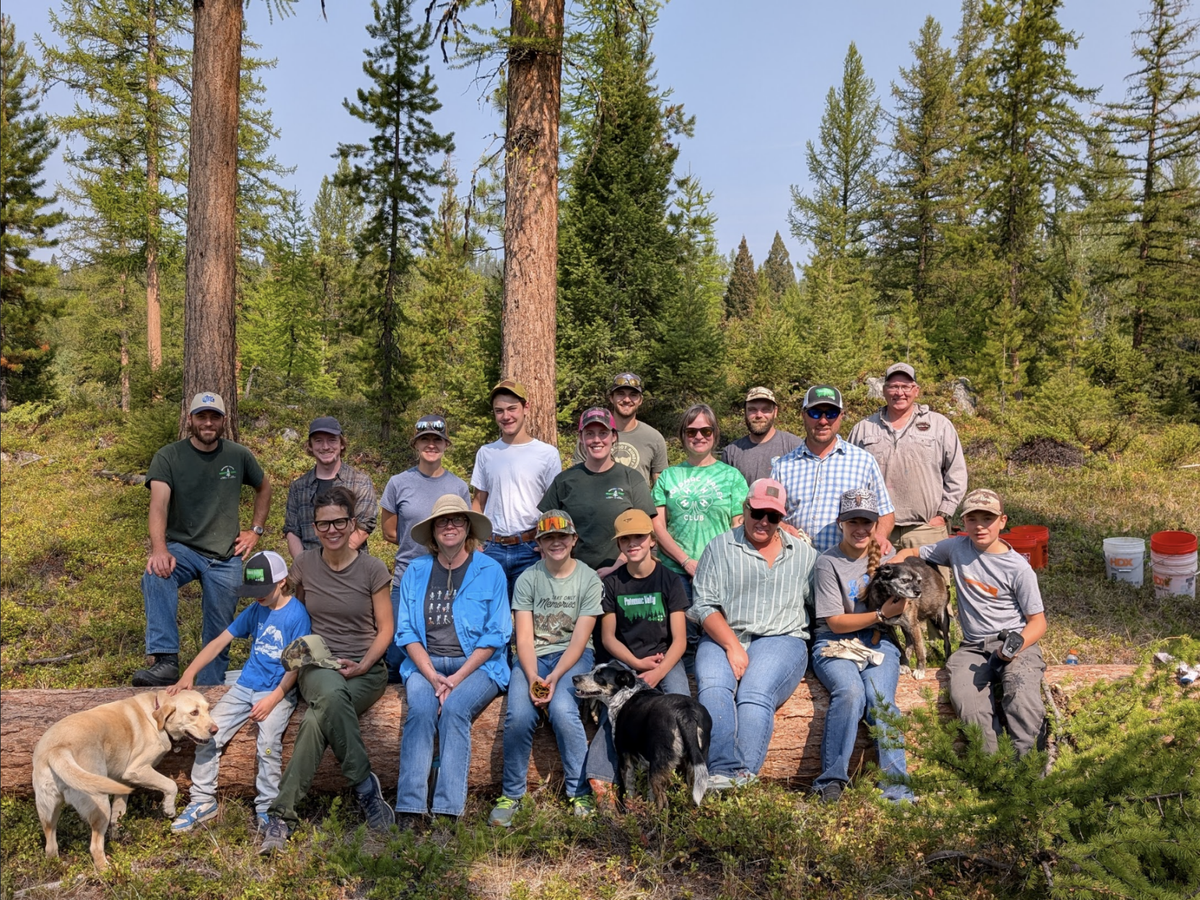
The Potomac Valley 4-H club may not speak for the trees, but it is aiding in efforts to replant them.
In January, the Montana Department of Natural Resources and Conservation (DNRC) partnered with the club to collect pinecones from state land outside Missoula. The goal of the collection was to replenish the DNRC’s seed stores for future reforestation efforts and raise money for the Potomac Valley 4-H club, according to the DNRC website.
4-H is a national organization that provides kids and teens with the opportunity to complete projects in health, science, agriculture and civic engagement under the guidance of adult mentors, according to its website.
The project began in 2022 as an effort to collect seeds from native species — such as ponderosa pine, western larch and Douglas fir — for use in state reforestation efforts, according to DNRC Communication Specialist KarenDe Herman.
“Our seed inventory on the Clearwater Unit was getting old and depleted,” Herman said. “Seeds had been collected between 1979 and 1996 with germination rates as low as 22 percent. This means more seeds must be used to grow just one tree, because most seeds will not germinate.”
According to Herman, there is a very small window to collect the pinecones before the seeds inside are no longer viable. The DNRC first has to pick trees of the right species with suitable seeds to cut down.
“We need all the help we can get to pick the cones before it is too late,” Herman said. “We were able to collect cones from the highly needed breeding/seedling zones after a local logger felled trees that DNRC chose.”
According to Herman, the Potomac Valley 4-H club has collaborated with the DNRC on similar projects, and it is a win-win for both parties as the 4-H club is compensated by the DNRC for the number of bushels of cones it collects. The 4-H club collected seven bushels of western larch and five bushels of ponderosa pine this year.
“We began collaborating with the local 4-H club for seed collection in 2022, with tremendous success,” Herman said. “The project allows DNRC to collect quality cones for our seedling program while helping the club earn money for their fundraisers.”
Once the pinecones are collected, they are processed and stored frozen to keep them viable for planting.
“Simply put, we collect good cones, put them into burlap bags with tags on the inside and outside for identification, turn them every day for two to three weeks, and send them to a processing location,” Herman said.
Once at the processing location, the seeds are extracted and checked for viability before being placed in a seed bank, she said. The closest processing location is in Coeur d’Alene, ID.
According to the DNRC website, the seeds are collected from a state trust land parcel in the Clearwater State Forest. Herman said the seeds will be planted to grow saplings and used in wildfire-damaged forests.
“Suitable planting sites are determined by elevation, species and approved transfer zones,” Herman said. “While we maintain a seed nursery in Missoula, additional collections within the transfer zone may improve seedling success. This also builds our seed library if the existing stands are destroyed by wildfires.”
Transfer zones are areas with elevations and soil types similar to where the seeds were collected, allowing them the best chance to grow, according to the DNRC website.
Co-leader of the Potomac Valley 4-H club Tiffany Waletzko said the cone collection project left a long-lasting impact on the kids who participated.
“A lot of these kids love nature, and they love our forests and the Montana outdoor way of life,” Waletzko said. “Knowing that they are helping with the reforestation efforts is a big deal to them.”
To learn more about the DNRC project, visit https://dnrc.mt.gov/News/dnrc-news/news-article18.

Comments ()