
MSU Library celebrates Women's History Month with Edit-a-thon
The third floor of the MSU Library is typically known for its silence. However, on March 4, students, faculty and community members gathered in the Center for Faculty Excellence & the Research Alliance to participate in the library’s second annual Wikipedia Edit-a-thon (WEAT). This year's theme was “Women in Montana” and had the goal of encouraging participants to create and edit articles about women in the state's history.
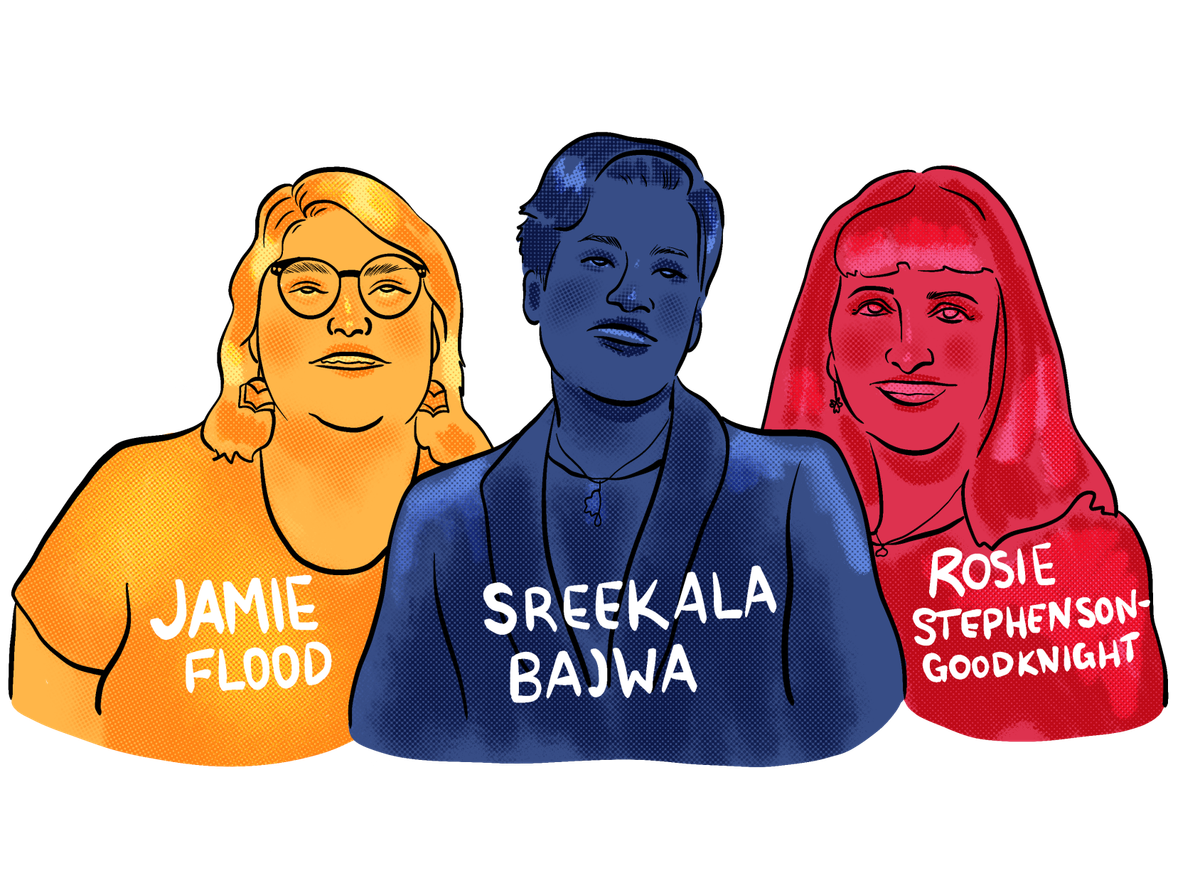
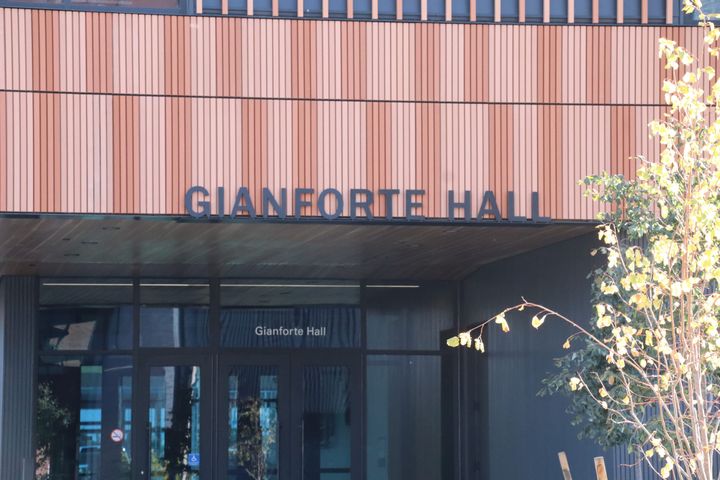
The WEAT was sponsored by the Gianforte School of Computing, the Norm Asbjornson College of Engineering, the Dean of Students Office, the Student Commons and the Women's Center. The event included a student panel and presentations from Victoria Lyons of The Extreme History Project and Dean of Agriculture Sreekala Bajwa. Additionally, MSU hosted two renowned Wikipedians — a title reserved for anyone who edits and maintains Wikipedia articles — Jamie Flood and Rosie Stephenson-Goodknight.
Curator Melissa Pomeroy was the main organizer for WEAT. She explained that in general, a WEAT is a workshop designed to encourage people to come together and learn the significance of editing Wikipedia pages.
“The idea behind that is to empower students, community members, faculty in participating and generating knowledge and sharing knowledge,” she said. “There is this idea of the ivory tower and you have to be a super expert — only the most expert people can talk about these topics — it can be really barring. But, these programs encourage anyone, with any level [of knowledge,] to share what they know and help build that knowledge base.”
Flood is a Wikipedian who often travels to different WEAT events to educate and give advice on Wikipedia editing. Flood became involved with Wikipedia editing when she noticed vandalism — which she described as incorrect or harmful information — on the page about the Holocaust Museum in Tampa, Florida. Flood showed a friend, who then told her that she could edit it out herself. She has been editing ever since.
“I have had a positive experience, but I have known people who haven’t,” Flood said. “I recognize that part of my positive experience is I’ve always had a good community that has supported me.”
Flood also shared the difficulties with writing articles about women on Wikipedia. “There’s definitely a higher threshold when it comes to writing about women on Wikipedia and writing about women's topics. I feel like you have to jump through more hoops to ensure that it’s notable to people reviewing articles and ensure that it stays on there,” she said.
During her presentation, Flood explained that men are the dominant force in reviewing articles. This can sometimes contribute to articles about women being deemed not relevant enough to stay up.
Stephenson-Goodknight also gave a presentation during the WEAT from a Zoom call. She is the founder of a Wikipedia project called Women in Red (WR), a project that compiles lists of notable women who do not have a Wikipedia article and encourages people to write or edit articles about women. Stephenson-Goodknight started the project in 2015in order to highlight the gender disparity on the site.
“Blue links on Wikipedia lead to other articles. Red links lead to nothing. [WR] refers to the notable woman whose articles are missing from Wikipedia,” she said.
During Stephenson-Goodknight’s presentation, she shared that only 14 percent of active editors on Wikipedia are women and less than 18 percent of articles on Wikipedia are about women.
“Historically, journalists, history book authors, etcetera wrote less about a notable woman than about a man. Furthermore — historically — women had fewer opportunities to do the kind of work that someone would write about,” she said.
Stephenson-Goodknight also warned about the potential issues that could stem from a lack of women's history on Wikipedia. “These days, we talk a lot about misinformation and disinformation. Missing information is a third component of this equation, otherwise, you're redefining history,” she said.
WR was shortlisted for the ITU/UN Women GEMTECH award in 2016, an award presented by the UN to reward the promotion of digital equality and empowerment of women and girls. Stephenson-Goodknight was named Wikipedian of the Year that same year.
“I heard my name called and I was stunned. I had no inkling that this would happen to me. It took a while to sink in,” she said. “Once it did, I recognized the opportunity to talk more about the gender gap work I had been doing. It's only through inspiring others that I can be successful.”
Stephenson-Goodknight encouraged audience members to get involved with Wikipedia editing and WR. “Everyone was new once. Now it's your turn,” she said. “Start by making small, incremental edits on Wikipedia, gaining confidence as an editor.”
“[WR] has about 1,000 lists of [notable women without articles on Wikipedia.]. Research some, find the ones that meet Wikipedia's policy requirements and then write. Repeat, repeat, repeat.”
The library encourages people to keep editing and continue shedding light on the accomplishments of women, especially in Montana.
To learn more about WR, visit https://en.wikipedia.org/wiki/Wikipedia:WikiProject_Women_in_Red.
To start editing on Wikipedia, visit https://en.wikipedia.org/wiki/Help:Wikipedia_editing_for_non-academic_experts.
Comments ()