
Museum of the Rockies paves the way for Indigenous cultural repatriation
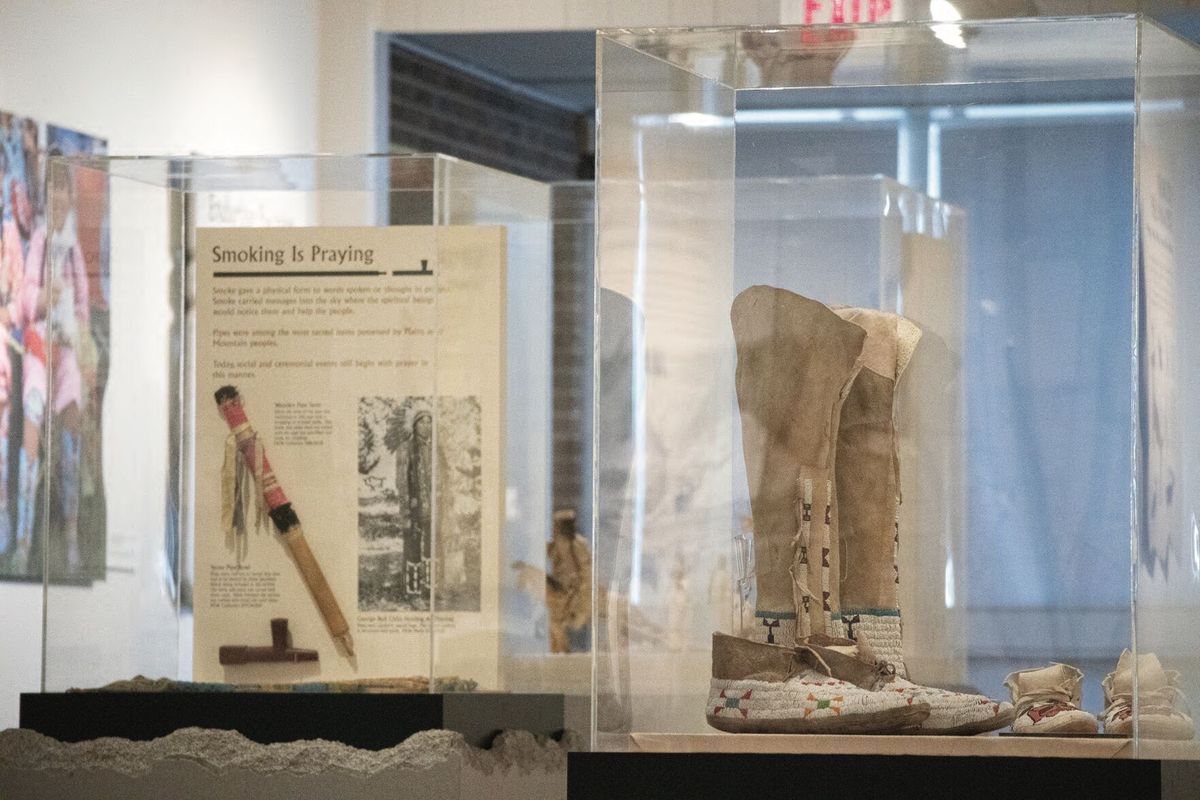
The Native American Graves Protection and Repatriation Act (NAGPRA) was first enacted in 1990 by the 101st United States Congress. The legislation was originally designed with the intent of returning Native American ancestral human remains and cultural items that were unlawfully obtained and displayed by federally-funded institutions, universities and museums.
However, the vague language in the original NAGPRA allowed for loopholes, which many institutions took advantage of. Decades later, in an effort to curb these practices, the Biden administration has enacted revised federal regulations to ensure that Native nations are finally able to reclaim stolen cultural items without pushback.
At the Museum of the Rockies, Melissa Dawn, the museum's registrar and collections manager in the Cultural History Department, shared that the institute has been taking active steps to ensure compliance with the legislation.
“I have been aware that new legislation was [going to] be approved since the summer, when I attended a NAGPRA training in Bloomington, Indiana,” Dawn said. “It was a general training about NAGPRA, not just the updated legislation. The instructors were very helpful in letting us know that they were considering new legislation at the time.”
The revised regulations went into effect on Jan. 12 and gave federal institutions a five-year deadline to consult with tribes and surrender objects deemed in violation.
“Right now, I am acting as our NAGPRA coordinator,” Dawn said. “It is my responsibility to let people at the museum or MSU know about these types of changes. This was not a shock. [Instructors at the training] let us know where we could find the drafts of the legislation so we could look at it ahead of time and be prepared for when the new legislation went into effect.”
As specified by the law, museums and institutes are required to receive informed consent from Native spokespeople before opening exhibits that display cultural artifacts.
“At this time, none of our exhibits will be impacted,” Dawn said. “We do not have anything on exhibit that falls into the four types of things that would be considered for removal. There are four different types: one is ancestral human remains – which we would never have on exhibit. The others are funerary objects, sacred objects and items of cultural patrimony. Those are objects that we do not have on exhibit to our knowledge, and that we would never have put on exhibit intentionally.”
While the updated statues have been celebrated by the Museum of the Rockies, many museums and federal institutions across the U.S. have found themselves in violation of the law.
“[Since] 1990, a lot of museums have been making progress and others have not,” Dawn said. “I think it's unfortunate that it takes [rewritten] legislation but it is very positive. I want people to see this as a positive thing. These are not scary new legislations. This is what should be happening.”
The updated legislation now forces compliance among institutions and ensures that consent must be obtained from Native nations before displaying or performing research on any ancestral remains and associated funerary objects.
“[The law] is designed to affirm and restore the rights of the people who [these objects] actually belong to,” Dawn said. “I am really proud that moving forward, everything that will be on exhibit has been through consultation. For me, I believe in everything NAGPRA stands for and I believe we are committed to being good stewards of the objects in our care. Any improvements that strengthen NAGPRA are good improvements.”
Dawn is currently working closely with the museum to ensure adherence as a future exhibit will aim to showcase the voices and heritage of Indigenous peoples.
“It is a very exciting time for us,” Dawn said. “We have for several years been developing a brand new exhibit called Under a Common Sky. Everything we are doing for that new exhibit is in consultation with our tribal partners. We're working very closely with them, it's a shift away from just showcasing objects to telling stories. For this type of work with tribes and anything related to NAGPRA, we consult with a specific designated tribal person. Each tribe designates someone [to be] a Tribal Historic Preservation Officer. I only consult with that person, because that is who the Tribe has said is the person they want me to communicate with. They are selecting the objects that will be on exhibit.”
There is no official opening day for the new exhibit yet. However, the Museum of the Rockies understands their ethical and legal obligation to comply with federal mandates, and in doing so, aims to create an educational and celebratory experience of Indigenous culture.
“We will continue to update documents through consultation with tribes,” Dawn said. “And we will continue, of course, to do our duty of care and make sure we consult before any exhibit, before any access, before any research.”
Comments ()