
Norm is Not Plant Friendly
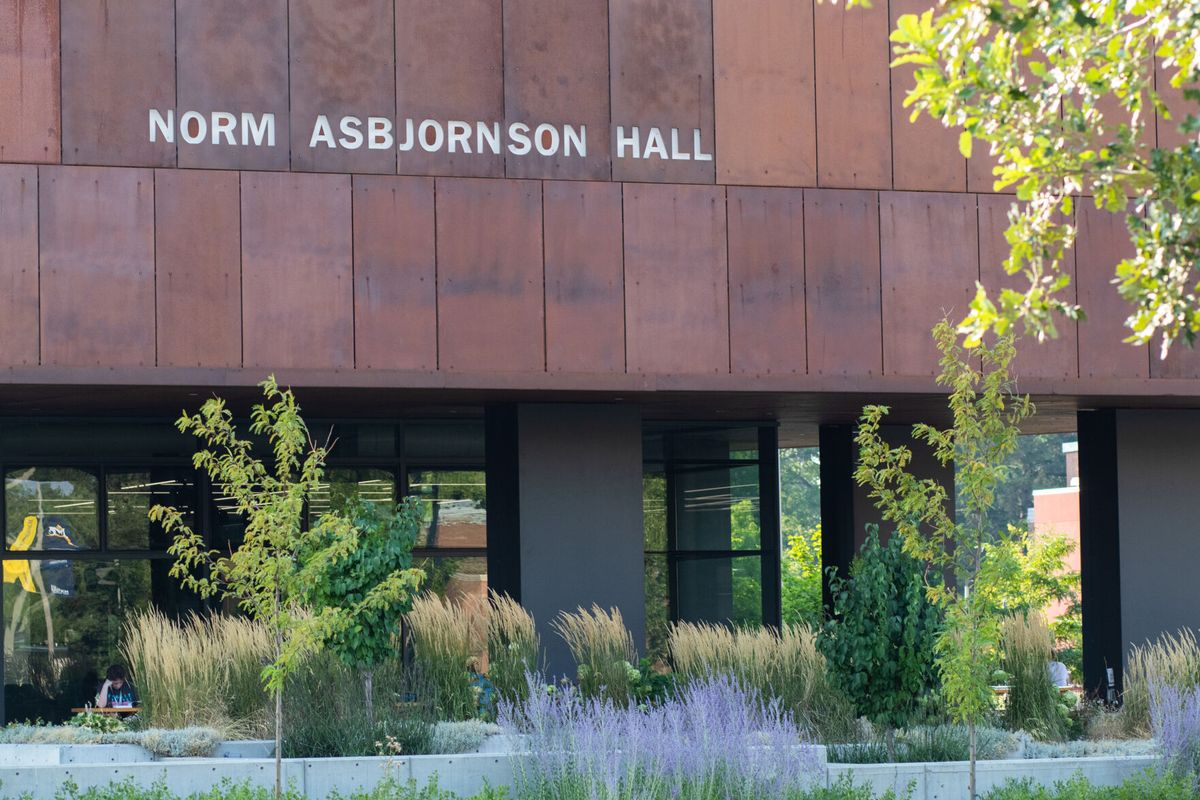
Over the last four years, MSU has either constructed or renovated four separate buildings. Each of these buildings follows a similar aesthetic. However, Norm Asbjornson Hall remains the ugliest building that has graced this campus since its completion in 2018.
This is partially due to the fundamental design principles which influenced the construction of the building. It seems that MSU prioritized the teaching landscape, and as a result, all the piping is exposed, most likely to demonstrate to the engineering students what exposed piping should look like. Although it is questionable how helpful this teaching technique has been within the college of engineering, Norm is widely observed with both fascination and disgust by the people over at the College of Agriculture. Both the horticulture and landscape design majors have spent time analyzing the decisions made by experts within their fields. It is fitting that the exterior of the building, which looks like a modern mausoleum, will become the grave of many unfortunate plants.
Concrete covers the landscape around the hall and although it succeeds in creating a modern industrial aesthetic, this negatively affects the plant life. Concrete, which both attracts and retains heat, increases the plant’s need for water while also making the soil more alkaline. High alkaline soils can restrict nutrient uptake which directly affects a plant’s ability to grow. This alkaline-rich environment, in combination with increasing levels of heat, means these plants are likely deficient in both nutrients and water.
These sorts of issues are often remedied by mulching, which stimulates the growth of microorganisms while also acting as insulation. Norm is the only building that decided to cover the dirt layer with white and gray rocks. While rocks contribute to drainage and weed control, the absence of mulch and its beneficial properties can be seen in the quality of its floral productions.
Look at the plants just in front of Norm to confirm any suspicion regarding the health of the flowers in their current situation. This problem is only exasperated by the overhang which ensures that none of these flowers get enough rainwater. The trees surrounding Norm suffer from, arguably, an even worse fate. All the trees are either too close to the building or the road. The trees against the building are being cooked alive due to the black background they are against. It is to the credit of both the school’s horticulturists and landscapers that Norm is an outlier amongst what is regarded as a beautiful campus.
There are still larger issues in the future regarding sustainable design within MSU. As both the temperatures and climate are altered, so are the insects and diseases that influence the ecosystem. The trees most commonly found on campus are crabapple, Colorado spruce and green ash. These monocultures create a limited amount of biodiversity around the campus which in turn allows for a limited response when it comes to disease prevention. The school’s obsessive use of green ash trees has become an issue due to the rise of the emerald ash borer, an insect making its way toward Bozeman.
These monocultures do more than just affect disease rates: they also decrease the visual stimuli of the MSU campus. A more diverse landscape can serve as a teaching resource for the students while also bringing more colors and diversity to an increasingly monochromatic campus. As it stands, Jabs Hall will become the most genetically diverse Hall on campus, featuring countless varieties of plastic masterpieces. The “plants” of Jabs have stood the test of time without water or nutrients, and this is a trend many can expect to continue. Jabs remains the only hall on campus without a single living leafy organism.
Plant enthusiasts shudder at the thought of all that window space going to waste. Each student that walks past Norm should feel something for the plants that never truly got a chance at life.
Comments ()