
Seasonal Depression Is Real And You Shouldn’t Ignore it
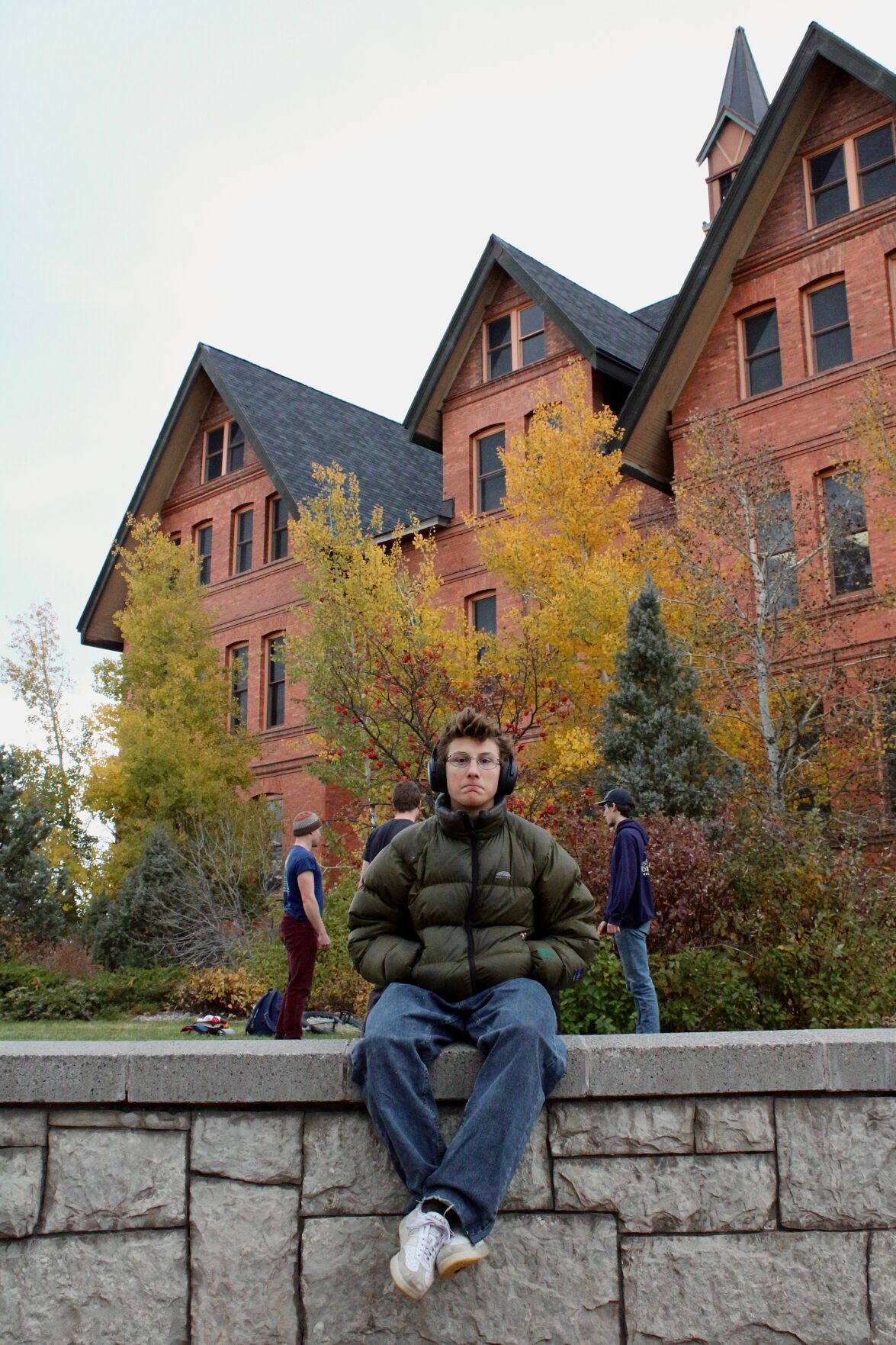
The shift from summer to fall is magical — complete with pretty leaves, less sunburn and good ol’ sweater weather. The transition from fall into winter, however, can be a bit more brutal. It’s all fun and games until it's minus 20 degrees out, I can’t feel my toes and I have exams in all of my classes. Then, it’s all topped off with seasonal depression.
According to Mayo Clinic, seasonal depression, also known as seasonal affective disorder, is a form of depression that starts and ends around the same time each year, usually beginning in late fall and spanning over the winter months. Symptoms of seasonal depression are similar to those observed in other types of depression.
The main causes are unknown, but the leading explanation is a drop in serotonin levels due to reduced sunlight exposure, according to Mayo Clinic. Sunlight produces vitamin D, which helps regulate serotonin production in the brain.
According to the National Institute of Mental Health, seasonal depression is more common in northern regions that experience lessdaylight during the winter, such as Montana. According to the Cleveland Clinic, about five percent of adults in America experience seasonal depression, primarily people ages eighteen to thirty.
What I think is most brutal about seasonal depression is how I completely forget it even exists, so when it hits me, I’m thrown for a loop — and other students are too.
“I'm not as active when the seasons first start changing. It feels like my routine is a little off balance,” said Mawadda Tawil, a human development and family science major.
For those affected by this disorder, the intensity of symptoms may vary. The seasonal change can result in more intense depression, but for many, including myself, it just causes just less overall motivation, increased fatigue and a struggle to transition into new daily experiences.
“It’s hard to get up and do things,” Tawil said, adding that the addition of the sky getting dark at 6 p.m. doesn’t help. “F--k daylight savings.”
Seasonal depression is tough to deal with on its own, but the perception that it is not real or somehow exaggerated can make those affected by the disorder struggle more. “People in my close circles acknowledge that it is real. However, I have heard from my extended family that they don’t think that it is real,” said Kalli Oberly, a kinesiology major.
For those who struggle with seasonal depression, being unsure of how to maintain a healthy and fun routine during months of hardship is challenging enough. “I feel like I'm fighting a losing battle. I want people to understand why I'm not being this productive is not because I'm lazy,” said student Olivia Belcher, a political science major.
As the seasons start to shift, we need to remember that seasonal depression is real and affects many people. Regardless of whether you have experienced it, other people deal with these symptoms every year.
It is vital for someone going through a period of depression to have respect and support, and not just a slap on the back and advice to simply get over it. You should always be mindful of who may be going through a rough period during the winter.
To cope with seasonal depression, consider seeing a mental health professional if you need to. You could also find the sweet spot for enjoying your time during the inevitable winter season. Fully experience the snow by being outdoors. Go skiing, snowboarding or make snow angels. Find new indoor hobbies and crafts. Learn to play the harmonica, write a short story or print out a life-size version of Ice Cube. This idea is not from personal experience, obviously.
Maintaining a routine you love and that works for you throughout the year helps a lot. Keep your head up and enjoy this winter season as best as you can. You are loved and you’ll get through this.
Comments ()