
Shakespeare in the Parks to bring theater to 65 communities
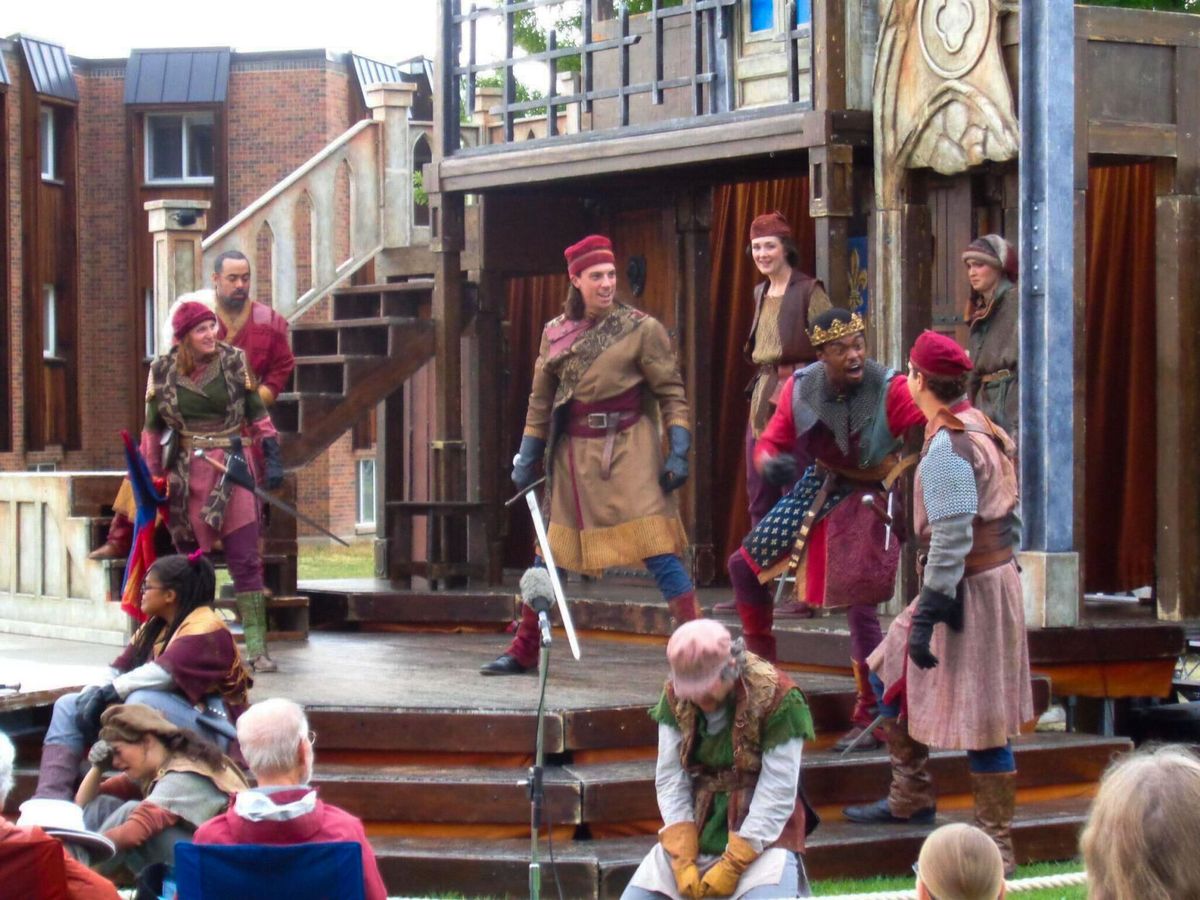
“To be or not to be, that is the question” is one of William Shakespeare's most recognizable lines, written almost four centuries ago. Today, his work reaches thousands of people through Montana Shakespeare in the Parks, a valued theater company now in its 54th season.
Starting in June, the company will continue its summer tradition of performing two Shakespearean plays for different audiences across the West. This rendition will feature “The Merchant of Venice” and “Much Ado About Nothing.”
Over the course of a twelve-week tour, the organization will travel to 65 communities across five states, with the first performance taking place on June 10 on MSU’s campus behind the Duck Pond.
Montana Shakespeare in the Parks is the fourth-oldest Shakespearean festival in North America. According to Executive Artistic Director Kevin Asselin, it has become an important part of the cultural fabric across Montana, Wyoming, Idaho, North Dakota and Washington. He said the company gives people in a variety of communities — often with small populations — the chance to experience theater.
“The smallest community that we go to — I think, right now — is Utica, Montana: population 12-ish,” Asselin said. "The cool thing about those places is that ranchers and farmers who have expansive land around that area, they'll bring their families and neighbors. So in a town of 12, we'll have an audience close to 200 people.”
Throughout the tour, the team of actors, directors and production staff go on the road and travel across a variety of communities offering a free outdoor — or indoor if the weather is bad — professional theater experience.
“You can bring a picnic, bottle of wine, hang out and be with your friends and family and watch a free and relevant show,” he said.
Associate Artistic Director Riley O’Toole said that while performing outside can bring about many moments of uncertainty, sometimes the most memorable productions are made in the face of challenges.
“There's so many moments where it becomes more than just doing a Shakespeare play,” he said. “The time the snake slithered through the audience and the lady screamed and totally derailed the show and we had to work together to get the snake.”
O’Toole said Shakespeare's stories reflect universal themes of what it means to be human, including familial relationships.
“The point of continuing to produce Shakespeare was not to make it relevant and to bring it into the 21st century, but to illustrate just how ancient we are, and that the things that we struggle with are so universal,” he said. “Even in our modern digital AI world, we still struggle with all the same things that the characters in these plays struggle with.”
The company draws performers from across the country, recruiting high-level actors who spend a month and a half building the productions before heading out on summer tour. According to Asselin, the company prioritizes hiring skilled actors who are dedicated to their work.
“As we've grown and [our] reputation has grown, the professional quality of the organization demands talent from people who are working in the industry.” Asselin said. “With that said, we do hire students that are stage managers and production assistants who might help in the costume shop, might help in the scene shop.”
One of the plays being put on this year, “The Merchant of Venice,” contains scenes of antisemitism. Asselin said people have already raised questions about why the play was chosen, given the current political climate.
“I want audiences to walk away and have conversations about what they experienced, and how it relates to the world that they're in,” Asselin said. “And so The Merchant of Venice really will allow that to happen for good or bad — depending on what people believe in.”
In this play, a character named Shylock is a Jewish moneylender. This character sets the stage for a story that explores themes of prejudice, discrimination and mistreatment.
“[Shylock] has this great speech where he says, ‘If you prick me, do I not bleed? If you tickle me, do I not laugh?’ — we’re the same, different belief systems, but as human beings we’re the same,” Asselin said.
He encouraged people who do not know much about Shakespeare’s work to come and see what Shakespeare in the Parks has to offer.
“It's not Elizabethan; it's not pumpkin pants; it has a 21st-century lens to it,” he said.
For O’Toole, a Shakespeare in the Parks performance is more than just a play. He said it can open your eyes to new ideas, experiences and traditions.
“For the purpose of inspiring human goodwill, in a time where there's not a lot of that circulating,” O’Toole said.
For more information, visit https://shakespeareintheparks.org/.

Comments ()