
Sharing the trail
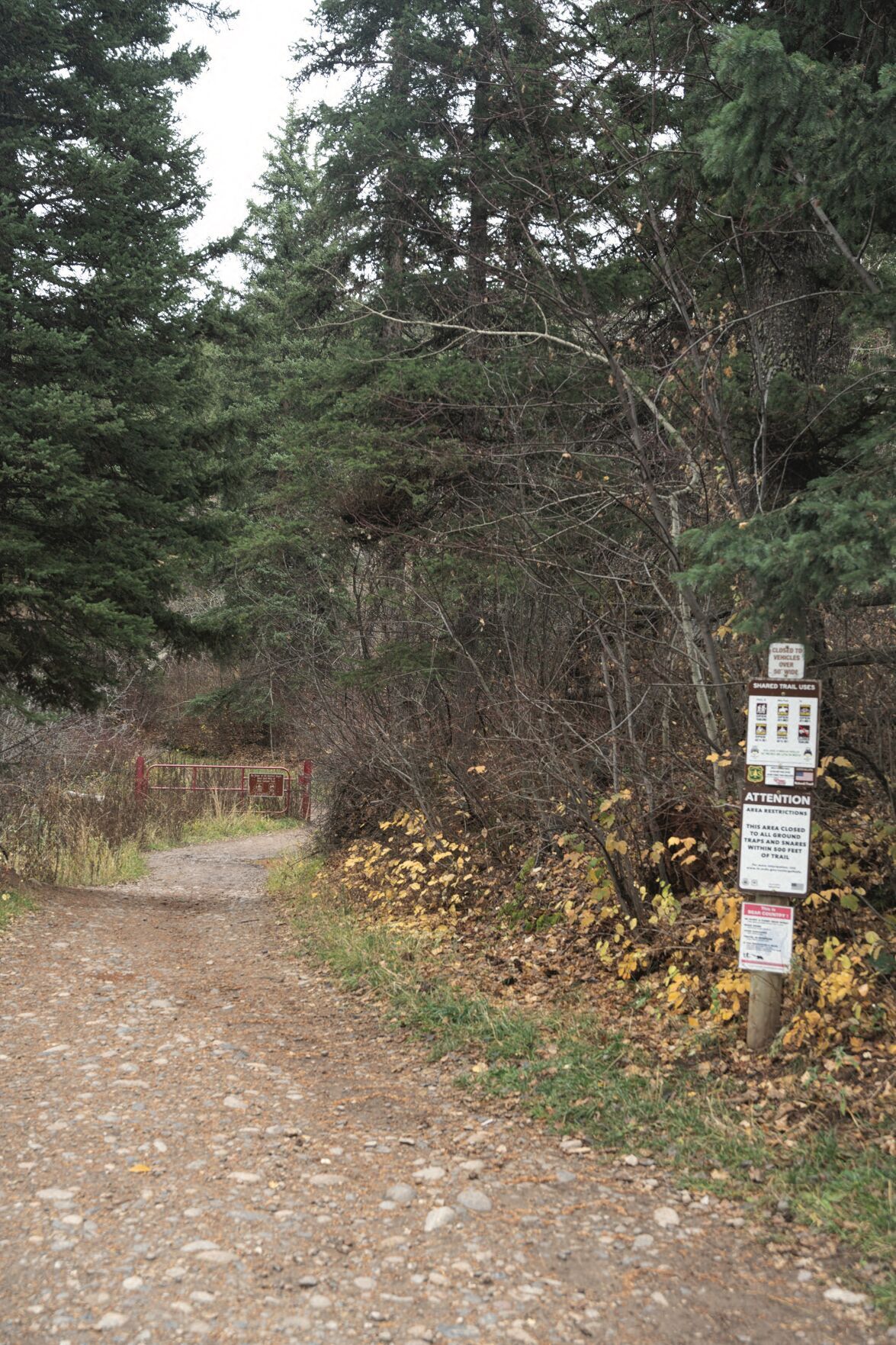
Whether enjoying the outdoors in a motorized vehicle or by foot, residents are continuously trying to find ways to co-exist and compromise on narrow trails.
Bear Canyon is about as versatile as it gets regarding trail use with residents flooding the canyon on mountain bikes, dirt-bikes, e-bikes, horseback or in hiking and running gear. With the steady increase in Bozeman’s population, community trails have become busier than ever with roughly 1,700 residents hiking local trailheads on the weekdays and 2,400 on the weekends, according to The Bozeman Daily Chronicle.
Sharing the trail can be a frustrating game of limbo as both parties stall or slow to pass one another. This can create a slower and more interactive experience, which may distract from the solitude of nature and the allure of alone time.
After interviewing local electric biker Randy Wold and hiker Neil Strong, it’s clear how confusion on the trail may arise with varying interpretations of trail rules.
“If [bikers] are going downhill or uphill, get out of the way. I generally yield to the biker,” Strong said.
“I tend to stop [as a biker] because I kind of think [hikers] are intimidated by us. Plus, I don’t want to go lurching into them,” Wold said.
Generally, those traveling uphill have the right of way and those descending should step to the side to make room for those traversing up. As a rule of thumb, hikers should always yield to horses and other pack animals, whereas bikers must yield to hikers and horses, according to an etiquette guide to trail use published by the Backpacker on May 4, 2023.
However, as confusing as it may be, both men believe the two sports co-exist well and that the intersection of the sports doesn’t affect their overall experience. “Absolutely, I believe we do [co-exist well], as long as everybody just respects other people. Coming up here, you have to realize you won’t be able just to rip everywhere. You know you might have to slow up,” Wold said.
Sometimes, you’ll find trails that are separated by recreational use, which to Wold, would be beneficial for popular trails such as the Galligator. “I don’t know if we need to go that far, but on the [Galligator], maybe there should be no bikes since there as so many people walking. I feel like I’m kind-of in their way. It definitely slows down the [e-]bike ride,” he said.
Wold stated that e-bikes have been popping up all over Bozeman to get users farther faster. However popular they may be, e-bikes are prohibited on most trails across Montana, especially in National Forests. Wold believes that e-bikers aren’t abiding by trail regulations due to these accessibility restrictions.
“There’s a lot of places they’re not allowed, but of course, a lot of people do. I worry [because] all of a sudden, trails with a few people getting in 10 miles have 50 people getting in 10 miles. They’re coming in, and that’s going to have to be sorted out. I don’t want to see a million people way up high. Some of those places should stay non-motorized,” Wold said.
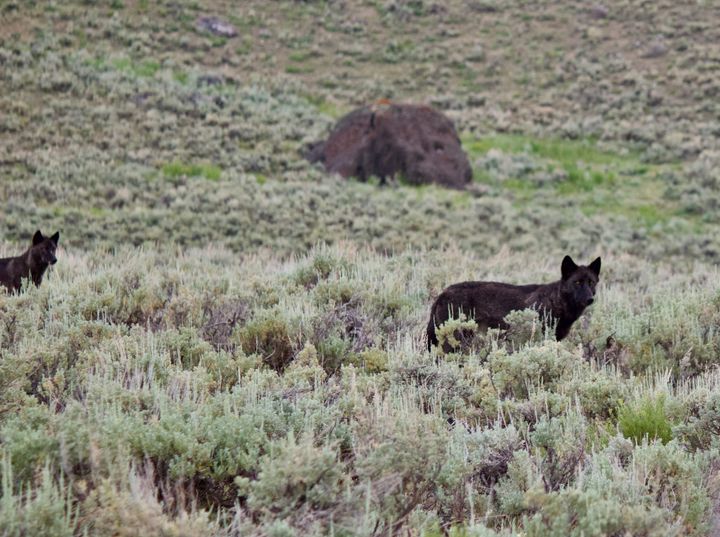
Although bikers and hikers can co-exist according to Wold, that doesn’t mean everyone can or does. Generally, bikes or motorized vehicles tend to “run the animals [away] more,” according to him.
In fact, researcher Cole Burton at the University of British Columbia’s Wildlife Coexistence Lab found that due to their speed, mountain bikes, along with dirt bikes and ATVs, cause more wildlife displacement and disbursement than hikers and horseback riders, according to Bike Mag’s article “Study: Mountain Bikes Disturb Wildlife on Par with ATVs” published on November 12, 2020.
As a conscious e-biker, Wold “doesn’t want to see anybody get bucked off [horseback riding], horses hate bikes.” His encounters with nature are a friendly reminder that we have just as much of a responsibility to share it with the wilderness as we do each other.
Ultimately, there is room for all of us to enjoy Montana’s beauty. What it comes down to is being polite and respecting one another, according to Strong and Wold. So next time you tackle a trail, remember proper trail etiquette and be conscious of your surroundings so everyone can continue to explore together.
For more information on trail etiquette you can visit www.backpacker.com.


Comments ()