
Skipping School to Ski Is Not Hot
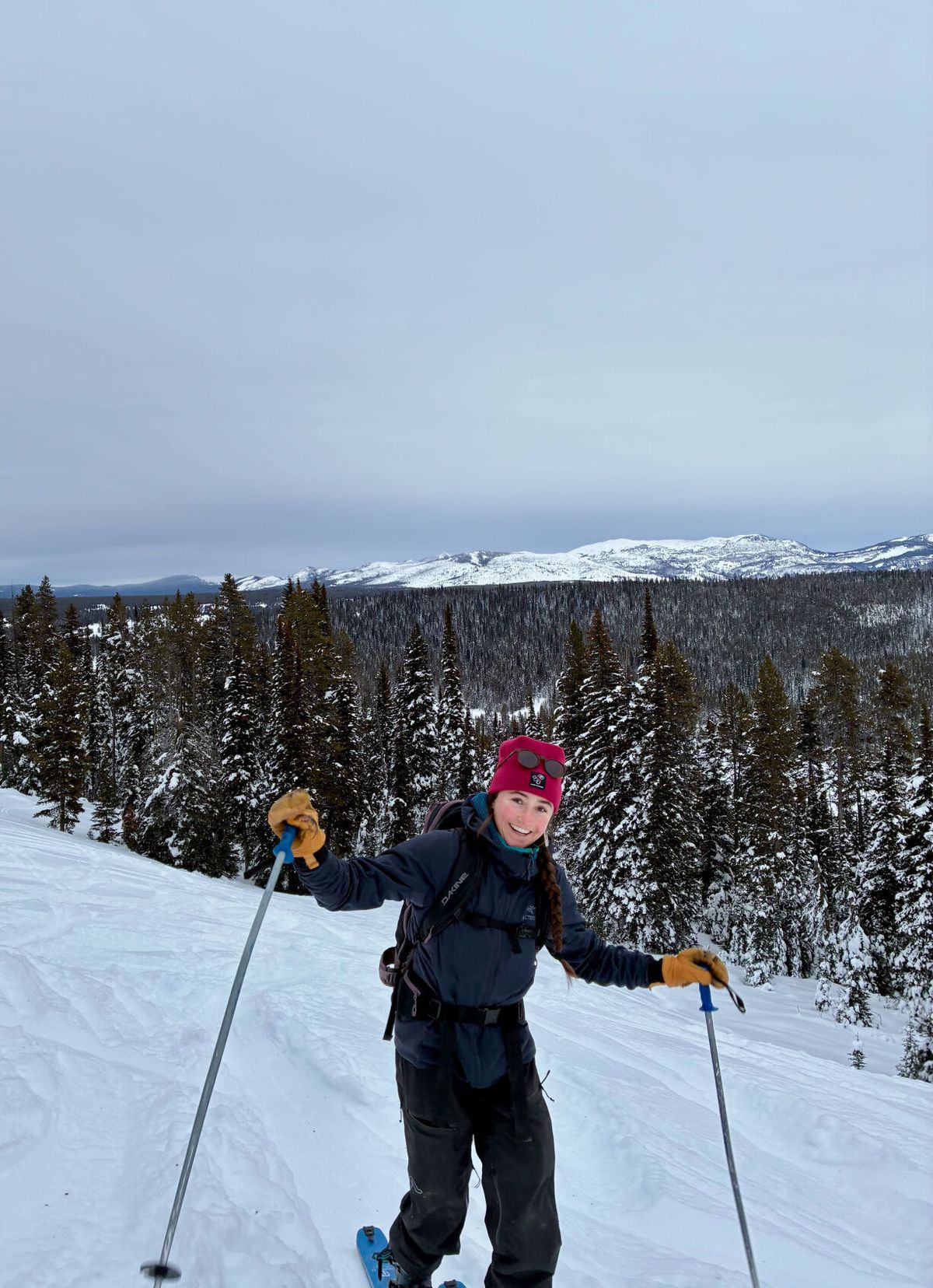
On any given Tuesday, the upper parking lots at Bridger Bowl are filling up by 9 a.m. While the mountain hums with activity, students’ seats remain conspicuously empty back on campus.
Southwest Montana offers endless skiable terrain — some of the best in the country. It’s no secret that many students come to MSU as much for the mountains as for the classroom. Outdoor culture is central to life in Bozeman, but when skipping class becomes a routine rather than an exception, students’ accountability begins to erode.
It is easy to understand the appeal. Skiing is a way for us to spend time outdoors and cultivate relationships with like-minded hobbyists. “[It] is a really good way to get some exercise, fresh air. It’s good for mental health,” said Grace Turk, a freshman studying psychology.
Turk said she’s willing to skip class for a powder day if the conditions are good and her grades allow for it. “If the snow looks really good, and I haven’t gone skiing for a few days and my grades are fine, I’m just like, ‘Alright, screw it, I’m going to go,’” she said.
For some students, if it seems like missing class will have no ramifications, there is little reason not to — especially in the age of online notes and posted lectures.
“I can get all the information online,” Turk said. “As long as I don’t have a test, I’m gonna go ski.”
I agree, it’s hard to pass up a day with friends and not give in to the enticing fresh tracks — but if we’re willing to skip any day of class just because of a snowstorm, where do we draw the line? It’s hard to stop the habit once it's reinforced, and it can be detrimental to our education.
Rob Brown, a junior studying political science, said that he values consistent attendance. “Your main job is school; you’re here to get an education,” he said.
Not only is missing class problematic for students’ success, it’s also disrespectful to faculty who rely heavily on participation. Professors spend hours creating curricula and syllabi to ensure students get the most out of their time in school.
Other students also suffer because of their peers’ poor attendance, as it disrupts the class's rhythm. “If you’re teaching important stuff to 30 kids, and only 10 kids show up, it’s not really worth teaching that curriculum,” Brown said.
All courses have different attendance policies. For example, in smaller classes where students’ grades are penalized if they miss, people are less likely to skip on a powder day.
“In my upper division classes, which tend to be smaller, I think students miss a lot less often because I can tell when they’re gone,” said history professor Amanda Hendrix-Komoto. “But I have noticed in lower division classes that attendance declines over time.”
Hendrix-Komoto stated that attendance and participation are key to successful learning. Without student engagement, even a well-designed curriculum can feel disconnected from students’ lives.
“Even if you already know the material, or think you do, part of the idea is that you learn from each other, and that’s difficult to replicate if you’ve missed that particular class,” she said.
Skiing might seem appealing to students whenever the snow tracker climbs, but it shouldn’t compromise the academic commitment that brought them here in the first place. “It’s my hope that students are not here to ski; they're here to engage in the academic work we’re doing,” Hendrix-Komoto said.
When the snow falls, it’s easy to rationalize missing class. “Sometimes you get lucky, sometimes it’ll be like, class is canceled,” Brown said. “[But] all the days I really want to go, there is a justification somewhere.”
The solution is not necessarily to reprimand students for skipping class to enjoy the beautiful outdoors; it’s to help them balance their priorities.
“I think weeks are meant for work in school. Weekends are meant for all the fun activities you want to do,” Brown said.
While skipping class once or twice for skiing can offer a mental reset, the experience becomes less meaningful and your academic success suffers as the frequency increases.
So, stay in school, because the lifts will keep spinning, snow will fall again and the mountains are not going anywhere.
“You’re paying tuition to take these classes,” Brown said. “You’re not paying tuition to go skiing.”
Comments ()