
Smoke index factors into outdoor recreation
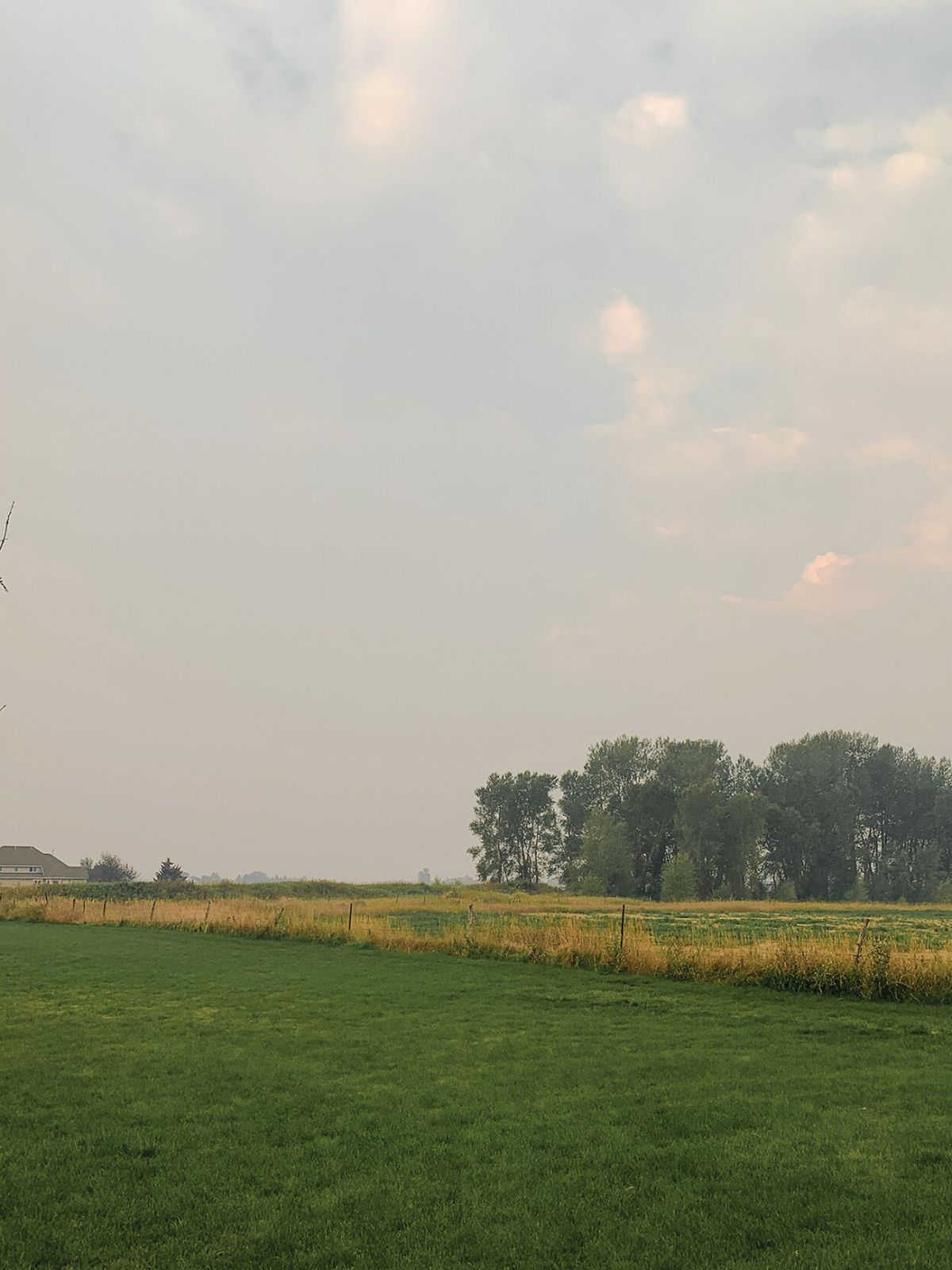
It’s a familiar scene in Bozeman this time of year: the sun carries a subtle red-orange tint, the Bridgers - despite being no more than a few miles away - are veiled in haze and the air itself has a telltale scent. So far this year Bozeman has been lucky enough to avoid directly experiencing the consequences of wildfire season, but that doesn’t mean we haven’t felt the effects of blazes elsewhere.
Wildfires and the smoke that come with them have afflicted southwest Montana and most of the western United States for millennia. Though they can occur almost any time of the year, the months of late summer and early autumn tend to bring the largest and most destructive fires. It’s difficult to predict where these fires will strike; this year, massive blazes claiming tens of thousands of acres have raged in Idaho’s Salmon National Forest and California’s Yosemite Valley.
While immediate residents of wildfire-stricken areas are affected most harshly, smoke from fires can carry hundreds of miles and bring haze to communities like Bozeman. This haze is usually little more than an inconvenience, but at its most intense, wildfire smoke can present a host of threats to public health and outdoor recreation. The air quality index (AQI) is the U.S. EPA’s tool for measuring the concentration of harmful pollutants in the air. Bozeman has spent most of September in the “moderate” and “unhealthy for sensitive groups” categories of the index.
While recent AQI scores mean that the air quality has presented a minimal risk to the health of the general public, the EPA recommends limiting prolonged outdoor exertion in both categories, curtailing some recreational opportunities for residents.
It’s not impossible to imagine, however, that in the event of a larger fire in the immediate area, we could see health ramifications in vulnerable parts of the community. Genevieve Cox, professor of community and environmental health in the department of health and human development at MSU, provided insight to the social disparities of environmental health factors like wildfire smoke.
“We think of wildfire smoke as an equal opportunity problem, but it's not,” said Cox. “Even though there's smoke everywhere in Bozeman, not everyone feels the same effect.” This disparity holds true for almost all environmental health factors and will only grow as we experience more frequent weather events as a result of climate change.
But, what’s one silver lining to this otherwise dour outlook? The sunsets. The increase in particle concentration in the air brought by wildfire smoke means light is scattered more as it enters the atmosphere, shifting the sky to red, pink and purple. So, the next time a wave of wildfire smoke rolls into town, check the AQI, go for a walk or run if it’s safe, or stay home if it’s not and enjoy the sunset!
Comments ()