
Students reflect on vaccine choices while campus flu clinic offers shots
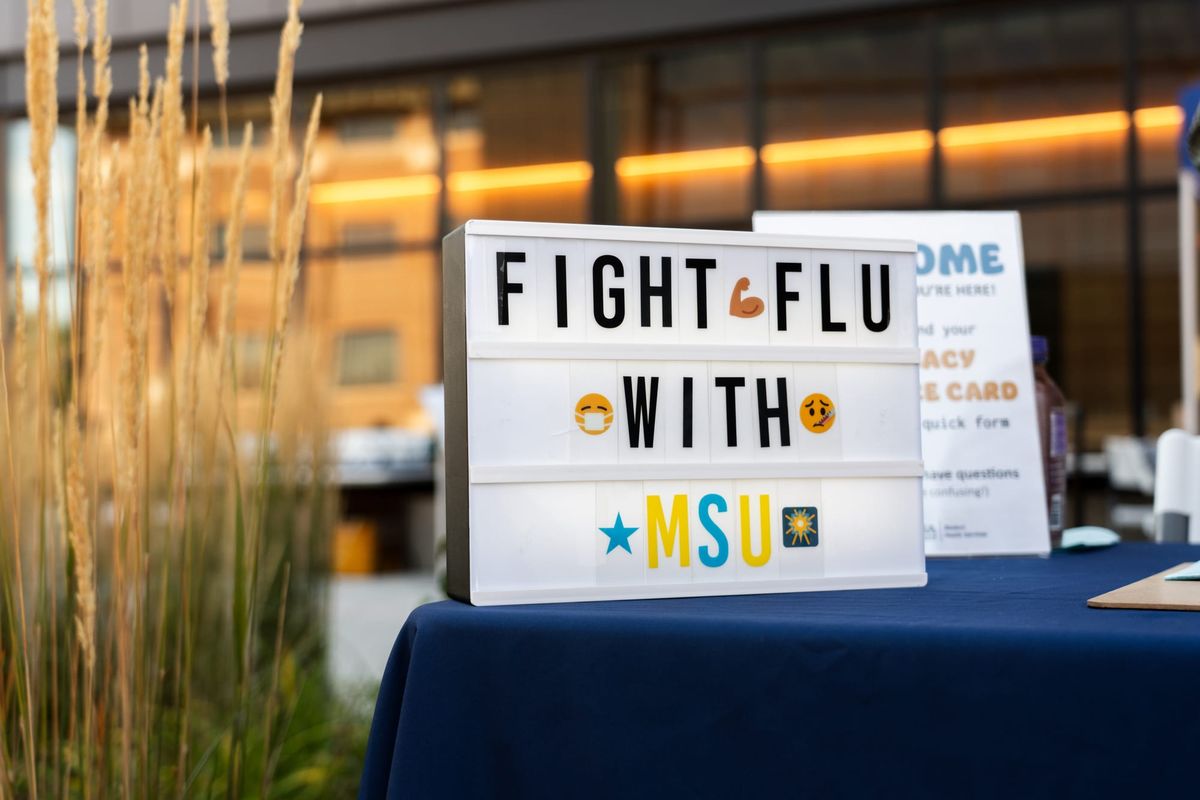
Under a tent outside the Student Wellness Center (SWC) last week, students were rolling up their sleeves for flu shots. The SWC is offering flu vaccines this fall for $30 or free with most insurance plans, including student health insurance.
When it comes to vaccines, many people may have hesitations. Under Health and Human Services Secretary Robert F. Kennedy Jr., the Centers for Disease Control and Prevention (CDC) has faced criticism over its vaccine guidance, according to a Feb. 10, 2026 Washington Post article. This has prompted the American Medical Association (AMA) and other major medical groups to issue their own recommendations this year — a divide that has fed broader uncertainty about vaccines among some students, according to a 2023 PubMed article.
Maricia Owens, a nurse manager at MSU’s Student Health Services, is leading the vaccine clinic this year. She emphasized that despite the wider controversy, the CDC still recommends the flu vaccine for everyone six months and older without extenuating health circumstances.
According to Owens, the biggest misconception people carry into the clinic is that they will get sick if they get the shot. "It's not a live vaccine, but it is eliciting an immune response," she said. "That means your immune system is healthy. It's robust and it's responding the way it would if you actually were to contract a live virus."
The flu shot is distinct from other vaccines, Owens said, because influenza mutates quickly and produces new strains every year. Each spring, researchers evaluate the past flu season and try to predict which strains will circulate next, tailoring a new vaccine accordingly — a process vaccines for diseases like polio never required, since the target virus doesn't shift the same way.
However, Owens said the strongest case for getting vaccinated often isn't about the individual at all.
"The most vulnerable people to illnesses are elderly folks and really young children," she said. Students heading home for Thanksgiving, or spending weekends with family, may not realize they're carrying a mild version of something that could hit a grandparent or a newborn much harder. The same goes for immunocompromised people, who students might not even know are at risk.
"Getting that protection helps the community at large, not just that one person," Owens said.
Pre-nursing student Hartley Sguera said that is exactly why she plans to get her shot this semester.
"I like to keep safe and keep other people safe, so I just get it," she said. According to her, her understanding of this comes partly from her coursework, and partly from her parents. When asked if she'd noticed signs of the flu on campus, she said: "You know, just people coughing in my classes."
Not every student is convinced, and Owens said that's fair — medical decisions are personal, and reasons for opting out vary. Political science major Emma Korb, who isn't getting the shot this semester because of extenuating health circumstances, said she has still noticed more people getting sick lately.
Owens said the flu vaccine specifically hasn't seen a change in guidance from the CDC or the AMA this year, even as the two diverge on COVID-19 and RSV recommendations. Still, she said the broader dispute has muddied the picture for students trying to figure out who to trust.
"I think just getting our information from various sources really helped," Owens said, pointing students toward professionals — nurses, doctors or providers — over open-ended internet searches. She recommended groups like the AMA and American Nurses Association as reliable places to start.
The clinic's next dates are Oct. 6, Oct. 21 and Nov. 4, with the final session moving indoors to the SWC. All three sessions are estimated to take students about 10 to 15 minutes from start to finish.

Comments ()