
The facts behind our food
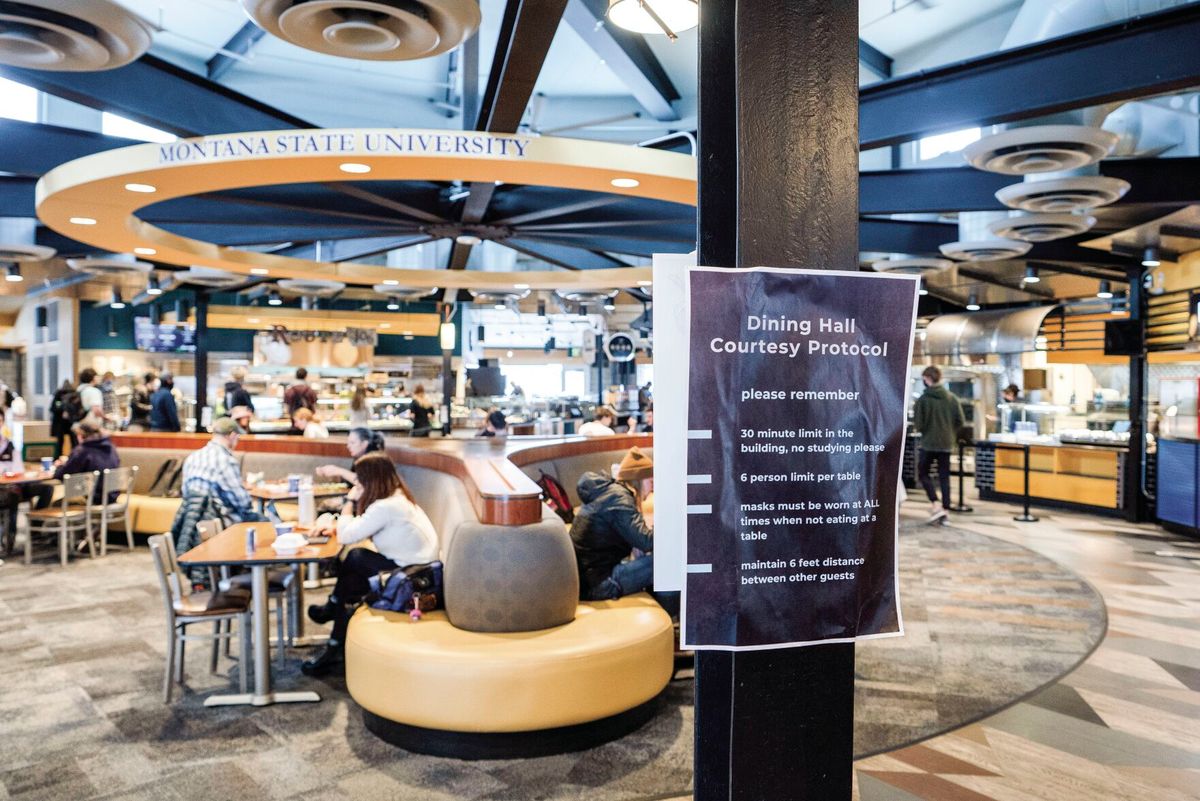
Food, glorious food.
Most people who live and eat on campus are probably missing the home-cooked meals and kitchens full of the warm, yummy smells that home brings. For many, dining at Rendezvous or Miller doesn’t quite provide the same “warm” environment compared to eating at home.
It’s easy to take the dining options on campus for granted, but the Exponent reached out to Richard Huffman, director of culinary services at MSU, to understand a little bit more about the work that goes into running the dining halls.
Catering to thousands of students is no easy task and comes with several challenges. According to Huffman, “One of the greatest challenges for Culinary Services is to meet the needs of such a diverse student population and stay current with food trends… We are always offering new foods based on student feedback, as well as our Chefs’ expertise, and balance those requests with food cost, labor and quality.” To have an input on the food served at Rendezvous and Miller, students can visit the link, http://www.montana.edu/culinaryservices/feedback.html.
Huffman also explained that “a 4-week menu cycle” is used “to keep items from getting old but to be able to provide favorites and consistency at the same time.” These menus also have to take funding and staffing into consideration and work to incorporate seasonal items such as locally grown vegetables as frequently as possible. Culinary services will create special meals for those individuals unable to find options on the menu, and the registered dietician on staff “helps students identify items that are on the regular menu that meet a majority of their special dietary needs.” Put simply, there is always something for everyone.
Rendezvous and Miller boast MSU’s farm-to-table logo, indicating that the food being served is produced in Montana and supports local individuals and organizations. “MSU has been strategically integrating Montana sourced ingredients for more than 10 years, increasing the quantity of products on an annual basis. Currently, 25% of our food is defined as local, meaning it comes from a Montana based food company,” Huffman said, including that the farm to table logo represents “over 100 local partners, including MSU’s own College of Agriculture, that we use throughout our operations.” Huffman emphasized that “buying local is part of our Culinary Service’s ethos” and encourages readers to visit http://www.montana.edu/culinaryservices/sustainability.html to learn more about the local options we can indulge in.
Huffman highlighted the evolution of dining on campus:
“Culinary Services has gone through quite an amazing transformation over the last 6 years. Before Miller’s remodel in 2015, students came in to eat and get out as quick as possible. The seating, design, limited food choices, quality and overall experience were disappointing to our students. When Miller reopened, there were now nine different concepts that offered multiple entrée choices versus the two to three choices that the old design offered. The seating, fireplace, open design and most importantly, the much higher food quality, now make the experience much more satisfying and students want to come in and hang out [pre-COVID-19].”
An emphasis on composting has also been a “semi-recent” addition to MSU’s dining facilities “where [pre-COVID-19] 50% of our waste was diverted from our local landfills.”
Health and food quality are prioritized by MSU staff, and when asked if the concern for student health is placed over the cheapest options while menu planning Huffman responded, “Yes. We provide a wide variety of options to meet needs and preferences of our customers. When students select a meal plan before moving on to campus, they are asked if they have any food allergies or dietary preferences.”
Home cooking may be preferred and the options provided at the food consoles may not always seem to be appetizing in the moment, but the food is prepared with the health of students and the environment in mind.
Thank you, Richard Huffman, and all of MSU’s culinary staff for keeping students happy, healthy and energized.

Comments ()