
The story of how two adaptive skiers descended Denali
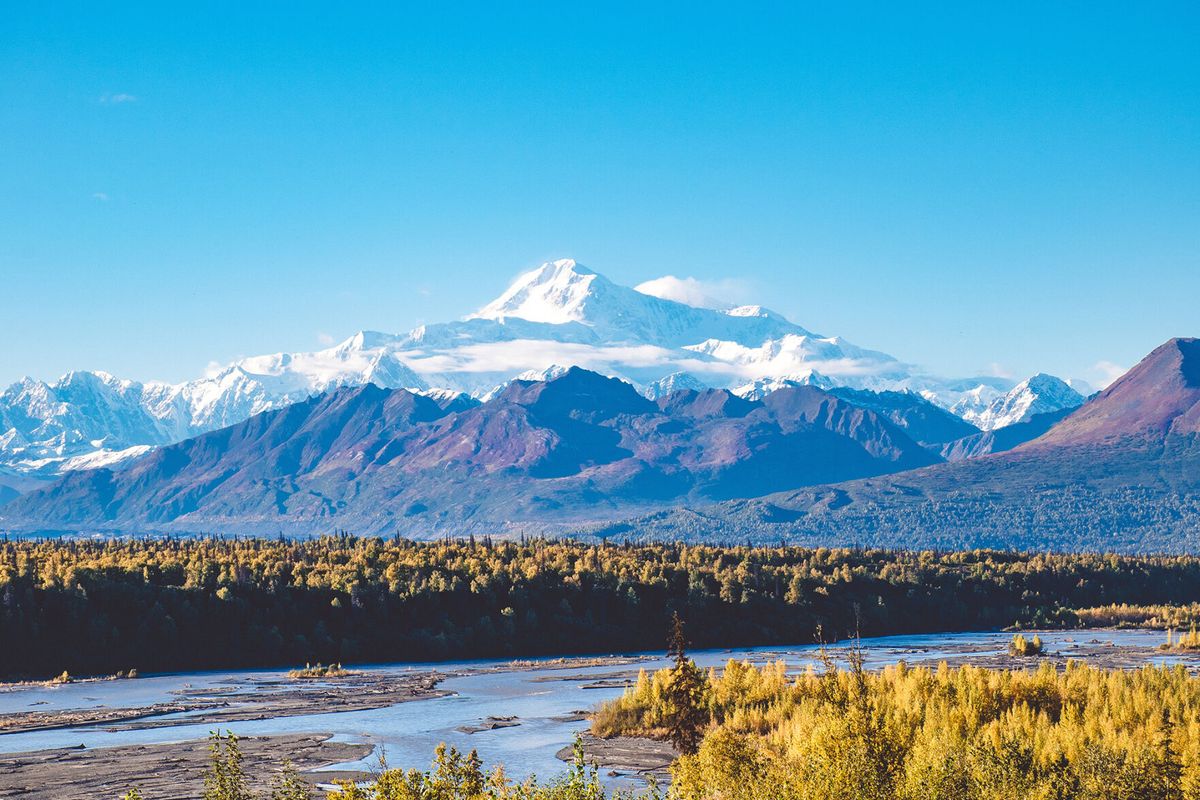
Spectators were in for a tale last week as skiers Vasu Sojitra and Pete McAfee recounted their ski descent of Denaki, a 20,310 foot monster and the tallest mountain in North America.
Sojitra and McAfee made history on June 20, 2021, when they became the first disabled skiers to descend Denali. However, this inspirational feat was the subplot of the event, sponsored by the MSU Leadership Institute, which focused on bringing awareness to creating a more inclusive, accessible outdoor community.
“The climb was not particularly just about me or Pete. In the moment we were, of course, focused on the climb,” Sojitra said. “But these first disabled descents (FDDs) , as I like to call them, are to showcase and represent the power we as disabled people have when provided access to opportunities and resources equitably.”
Sojitra, who lives in Bozeman, lost his right leg when he was nine months old due to a blood infection. He is now a professional athlete for The North Face team, a founding member for the Outdoor F.U.T.U.R.E Initiative, co-founder of the Inclusive Outdoors Project and a disability access strategist for The Avarna Group and the In Solidarity Project. McAfee, who lives in Texas, lost his right leg below the knee in childhood and is now an adaptive ski instructor and ski mountaineer. He works to raise awareness for outdoor adaptive inclusion and for amputees without access to adaptive devices.
While other adaptive athletes have summited Denali, Sojitra and McAfee are believed to be the first to ski it, as there are no other official records of adaptive ski mountaineering descents. Their six-man team included mountaineers and filmmakers Erich Roepke, Stein Retzlaff, Ted Hesser and Ben Farrar. Between the six team members, they had around 1,000 pounds of gear — more than average due to the amount of camera gear the team was carrying. “We brought a pirate flag, for obvious reasons,” Sojitra said.
The team spent a total of 18 days on the mountain. They were flown into the base camp at around 7,000 feet, and made their way up the mountain, establishing five other camps at around 8,000, 10,000, 11,000, 14,000, and 17,000 feet before pushing to the summit. The team encountered harsh weather throughout their trip and ended up summiting in white-out conditions. Due to incoming weather, “we decided to go all the way from the summit back to basecamp in pretty much one push. And that was about a total of 36 hours,” Sojitra said.
Summiting Denali is a dream of many ski mountaineers. It is a grueling feat that pushes even the most experienced mountaineers to their limits. While Sojitra and McAfee showed breathtaking images of their expedition and touched on the transformative nature of their time in the mountains, Sojitra described their descent of Denali as, “a Trojan horse so I can talk about the issues I want to talk about. Case in point me standing up here talking about disability and racism.”
Sojitra and McAfee’s ascent and descent of Denali was featured in the 2021 Warren Miller film, “Winter Starts Now.” And their story has been published in many news articles and ski magazines helping spread awareness about the importance of creating access and inclusion. “Our experience on Denali is helping change the narrative to create a more supportive world, not just for disabled people or folks of color, but for all of us,”Sojitra said. “If you're inspired, I want you to be inspired to change the system with me. To make sure that other disabled people have access to these rights and issues.”

Comments ()