
We Should All Ditch Our Smartphones
Smartphones, social media and screen addiction have plagued our society with a lack of presence and empathy. Nowadays, many students find themselves scrolling through their devices just to pass the time — watching Instagram reels while waiting in line or shopping online during class.
We are replacing real, human connection with digital dopamine. I often wonder what would happen if we spent less time using technology and more time being present in our lives. According to the NIH, when social media usage and screen time increase, feelings of mental wellness, happiness and self-worth decrease. When we constantly scroll and compare ourselves to others, it can become difficult to feel content in our own lives.
“Social media is not a neutral platform,” said psychology professor Peter Helm. “They have algorithms that are designed to grab our attention, to sustain our attention, to keep us on them, so they employ all sorts of tactics in order to accomplish this.”
This might lead one to think that social media access is the only problem with smartphones. However, the devices themselves are also constantly tracking you and your habits.
“It’s a device that’s tracking and recording data about us constantly. What do you look at, what do you read, when are you on your phone, all your physio-data, all these things,” Helm said.
Even more frightening, excessive technology use can lead to digital dementia — a term coined by German neuroscientist Manfred Spitzer. According to the NIH, digital dementia refers to the mental impairment resulting from an excessive reliance on technology. Some effects of digital dementia include impaired memory, regulation and the ability to reason.
“Our phones are never out of our conscious awareness. It eats up working memory capacity because we’re keeping at least a little bit of our awareness on it at all times,” Helm said.
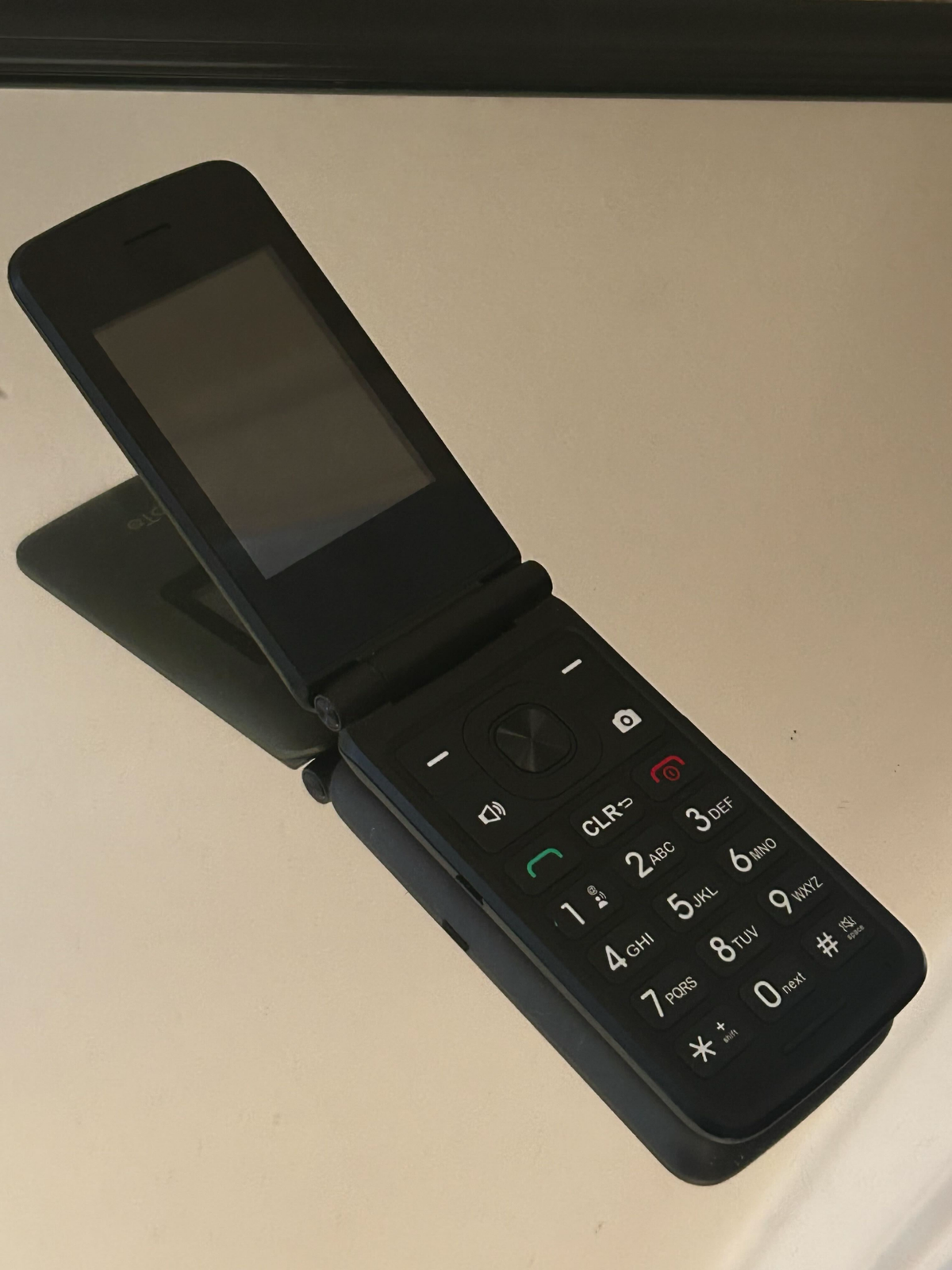
One student tried an alternative to smartphones. Finance major Beckett Yeend owned a flip-phone for six months in 2024, and believed it to be a positive change.
“It just felt like being detached from everything and it felt good,” Yeend said. “What’s weird about social media is that people develop prejudices and perceptions about people before they even meet them.”
By considering time away from smartphones, we can protect our brains and our mental health. We can return to a time when our data was not being collected through apps and online services, and we were not all hopelessly addicted to our phones.
Today, smartphones are heavily relied on for many of our daily tasks — clocking into work, checking our emails or submitting homework. Ditching smartphones can definitely have its challenges, but Yeend said switching to a flip phone was, overall, a positive experience.
“I would strongly recommend it,” he said. “I think the sweet spot now for me is just to use iMessage and no social media, and that’s what I’ve been doing.”
Although switching from a smartphone to a flip phone may be inconvenient, it can also encourage interpersonal connections. If you have a flip phone, instead of using an app to find your way around, you might have to ask a stranger for directions. Instead of listening to music on your daily walk, you might notice the sound of the birds.
“Social media and smartphones and disengagement with in-person connection just seem like it is undermining all the things that make us healthy, secure, stable creatures,” Helm said. “I think philosophers from across our time would argue that that’s not living.”
Smartphones are engineered to get and hold users’ attention. In a world that encourages detachment and polarization, it is more important than ever to rebel against the pressures of society and seek out real, in-person, empathetic connections.
Comments ()