
What’s the True Value of an Honors Degree?
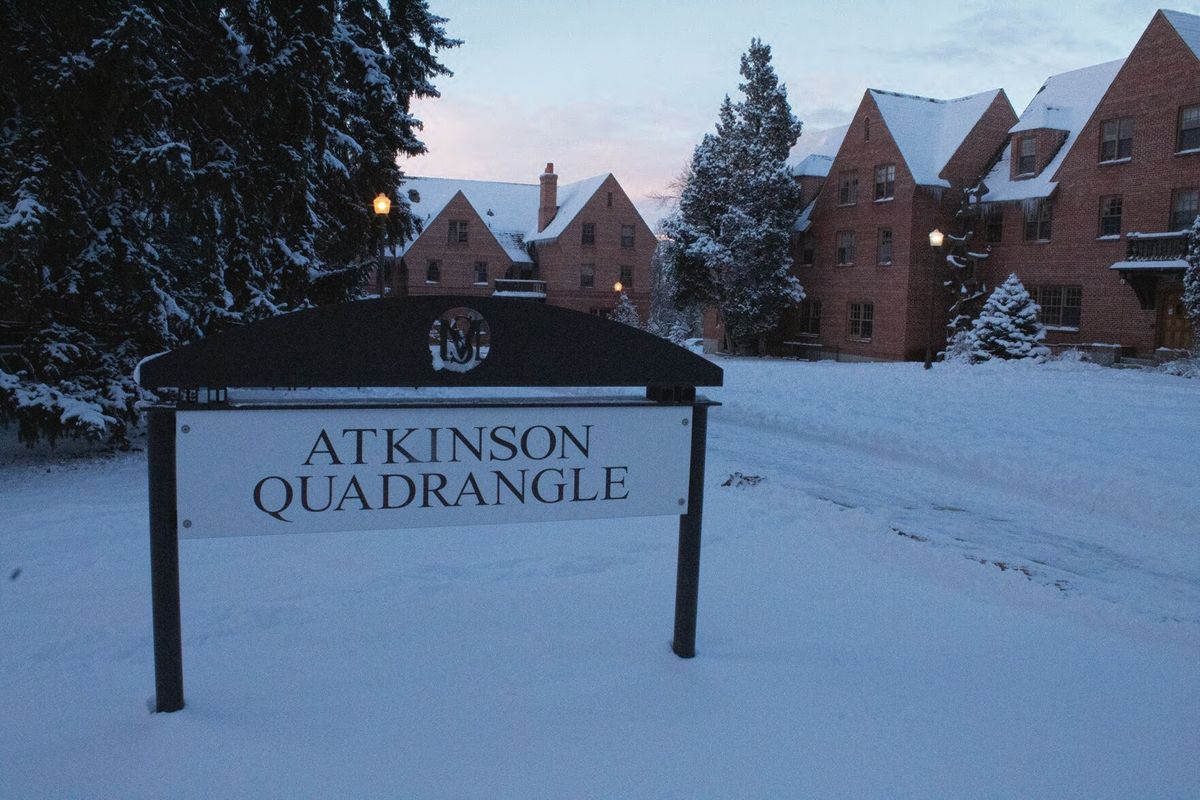
While the Honors College here at MSU offers the opportunity to earn an honors degree, it also requires more time, dedication and an increased workload. Earning a college degree is an incredible accomplishment and is by no means easy. So why would students want to challenge themselves even more by joining the Honors College? After speaking to students at MSU, I’ve come to understand that our Honors College can provide far more than just a degree to justify the increased effort for the right person.
The Honors College's mission statement is “to prepare academically motivated students to think critically and independently within a challenging and supportive community.”
To understand the value of an honors degree, I spoke to program manager Natalie McKay.
“Some graduate schools will care about that honors degree, but the major benefit is actually in your time here with the community building opportunities,” McKay said. Essentially, an honors degree indicates that you completed enough honors classes and held a high enough GPA to satisfy the requirements.
Still, it seems the real worth comes from the enhanced opportunities while you’re in college, not the honors degree you could walk away with.
McKay added that the honors seminars are capped at 15 students, which allows for in-depth discourse and increased engagement that would otherwise be impossible.
“Smaller class sizes are a great way to get to know your peers, and then also have more access to your instructor,” McKay said. Students in these classes gain a more involved experience and avoid large and impersonal lecture halls. Smaller classes can seriously benefit students. But it seems with an increased workload, the trade-off may not always be worth it.
Sophomore dietetics major Ashley Eggers says the extra work is absolutely worth it. “I specifically took those classes because of the smaller size, and everyone wanted to be there, talk about it and really be engaged,” she said. Honors classes can be a great fit for a student who thrives in that environment. The program also appeals to students looking for opportunities to get engaged outside the classroom.
Eggers told me that the opportunities available in the Honors College were a big part of why she chose to attend this university. “At Montana State, there’s a lot of extra cool stuff, so you’re not just in it to say you’re in the Honors College,” Eggers said. For instance, incoming freshman honors students go on a two-day exc ursion to Hyalite at the beginning of every year. The excursion involves hikes, discussions and presentations. It’s a great way for students to get to know one another and build connections — but with more school work, not every student will feel these opportunities are worth the time.
For example, sophomore finance major Sean Swingley said the small classes and extra opportunities didn’t justify his increased workload. “I just thought it was more of a burden and I didn’t think it was gonna help me any more than it was gonna hurt me,” he said.
Additionally, some students may find that their interests and areas of study don’t fit as well into what the honors college provides.
“I’m not really into the small group discussion stuff, but I think if you are really into that it would be beneficial,” Swingley said. “I didn’t feel like it offered that much, especially in my field of accounting.” Every student looks for something different from their college experience, and the Honors College may not suit everyone.
Although senior applied math major Hayes Linney will graduate with an honors degree this May, he shared a similar perspective to Swingley. “It just depends on what your intentions are. I’m not a huge fan of all the essays and readings, but I definitely found talking to other people and hearing different opinions valuable,” he said. Linney is an example of a student who didn’t love every aspect of being in the honors program, but stuck with it and enhanced his college experience because of it.
Linney had an especially unique experience when he took a class that allowed him to mentor gifted young students in the area. “I was paired with a fifth-grade student, and he was supposed to explore something of his own interest, and I was there to help him make it happen,” Linney told me.
Incredible opportunities like Linney’s speak to what the Honors College can provide, but they’re not necessarily for every student and that’s okay. Linney echoed this sentiment: “I don’t know if I can recommend it to everyone, and it’s a lot of extra work, but if you’re interested go for it.”
We all come to college to seek out different kinds of experiences. It’s undeniable that MSU’s Honors College can help individuals learn, grow and build connections during their time here. Although, after learning about it and speaking with students, it's clear to me that the program is not for everyone.
If you’re willing to increase your workload for the benefit of smaller classes, in-depth discussions and unique opportunities, then the Honors College could be a great fit. Otherwise, choose the path that feels right for you and work to get as much out of it as you can.
Comments ()