
Why You Need to Meditate
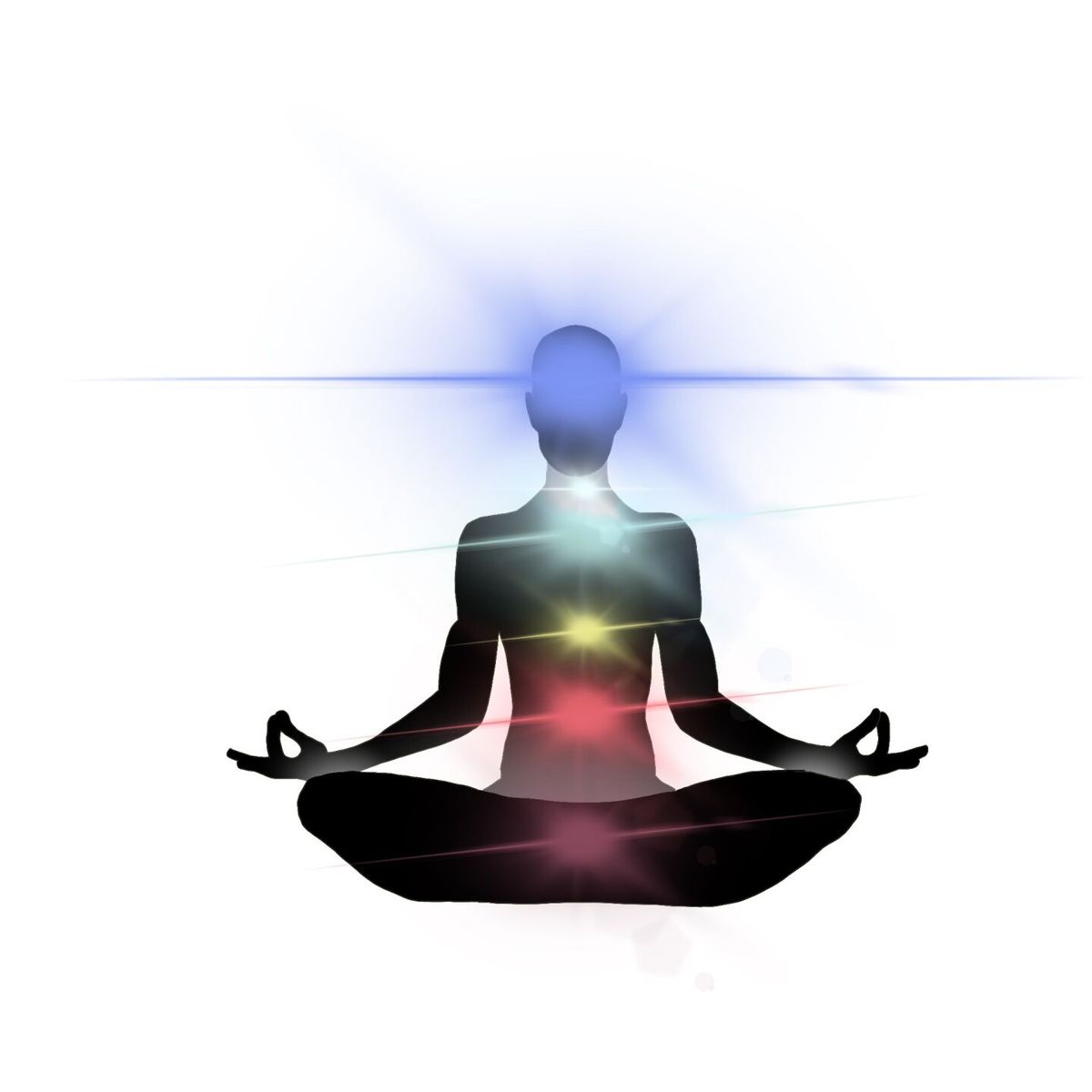
As college students, we’ve all developed ways of dealing with stressors. But we don't always deal with our stressors in healthy ways. Consumed by trying to maintain the delicate balance of school, work and our social lives, we often don’t give ourselves the time we need to manage our stress in healthy ways, and we ultimately suffer for it in the long run.
When it comes to healthy stress relief practices, there is one that is consistently underutilized: the practice of meditation. It is one of the most powerful and accessible tools for dealing with stress, and something I believe everyone should be doing.
The practice of meditation has been utilized to deal with the busyness of our minds for thousands of years. Despite its long history, many people seem to misunderstand or think themselves incapable of practicing it. It is important that everyone understands what meditation really is and how it provides benefits that no other stress-reducing practice can.
One does not need flowing robes, candles and a bald head to successfully meditate. Too often, people are turned off by meditation because they feel they need to possess some kind of perfect Zen state. In fact, the opposite is true. The power of meditation comes from the fact that it can be done anywhere, by anyone, without anything but our own body.
In the simplest terms, meditation is the practice of paying attention to a single point of focus and returning to it when your mind begins to wander. The most common point of focus used for meditation is the feeling of our breath coming in and going out. The breath is one of the best things to focus on because we will have it with us for as long as we are alive.
By paying close attention to a single point of focus, such as our breath, we can begin to observe just how ridiculously distracting our brains are. During meditation, our minds wander from our point of focus over and over, distracting us with thoughts. Rather than be upset by our constant wandering, we use this as an opportunity to train our brains. Every time we notice ourselves getting distracted, we bring ourselves back to our point of focus. By doing so, we train ourselves to detach from thoughts and instead pay attention to the present moment.
People often feel that they cannot meditate because they can’t keep their focus when they try to do so. It is crucial to know that having constant thoughts during meditation is not just okay, but necessary. Without them, we wouldn’t be able to practice returning to our focus or be able to build new pathways in our brains. Meditation is not some spiritual state that happens when you sit cross-legged, but rather the practice of losing yourself over and over and each time, returning without judgment to the present moment. Use your breath as an anchor to the present, and each time you are lost use it to find yourself again.
By practicing this for even just a few minutes each day, we train our brains to let go of our anxious thoughts and patterns of thoughts that constantly cause stress. By meditating, we can take control of our mental space and begin to slowly clear it of the never-ending cycle of thoughts that can be so difficult to face.
It is the simplicity and accessibility of meditation that gives it power and makes it the best practice for stress management. Often, when I speak to people about meditation they will say things like; I don’t need to meditate, I just go to the gym, playing music is my meditation or I’d rather paint than meditate. Things like exercise, art or playing music are incredibly powerful ways of dealing with stress. I would encourage everyone to engage in them, but there can be drawbacks with these methods.
There are going to be times in your life when you are stressed and don’t have immediate access to exercise, music, art or whatever you use to calm your mind. You do, however, always have access to your breath, and therefore access to meditation. It is in these moments where the practice of meditation can step in and provide you the ability to create space between you and the thoughts your mind constantly throws at you.
Meditation deals with the stressors of life in a way no other practice can. Remember, though, that as simple as it can be, it is not always easy; to sit down with your mind can be hard. But just like anything worthwhile, it becomes easier with time and practice. Our minds are a constant whirlwind of activity, but the practice of meditation helps us take back some control. If you’re interested in getting started, check out the MSU Meditation Club – which I am the treasurer of – and see for yourself what meditation can do.
For more information, follow their Instagram: @meditationmsu.
Comments ()