
'A lot of needs': Inside the Bozeman lab that might not survive the U.S. Forest Service overhaul
Justin Runyon still remembers flipping on his childhood porch lights to watch insects swarm the glow.
“I’ve loved insects since as long as I can remember,” Runyon said. “I used to turn on the outside lights at our house, and get excited by large moths and beetles. I think it's just inherent in my DNA.”
That lifelong interest carried him through a master’s degree at Montana State University and a Ph.D. at Penn State before taking a position as a research entomologist at the Rocky Mountain Research Station on the southeast corner of campus. He hasn't left in the 17 years since.
Now, that lab could be on the chopping block as part of a sweeping agency reorganization announced in March.
"President Trump has made it a priority to return common sense to the way our government works,” Secretary of Agriculture Brooke Rollins said in a March 31 press release. “Moving the Forest Service closer to the forests we manage is an essential action that will improve our core mission of managing our forests while saving taxpayer dollars and boosting employee recruitment.”
The press release details a plan to move the Forest Service headquarters to Salt Lake City and shift from a regional structure to a state-based model. This overhaul involves closing all regional offices and consolidating research leadership into a single national hub in Fort Collins.
The agency points to a $3 billion maintenance backlog and a $37 million drop in federal facility funding as the primary drivers for the reorganization. However, a USDA spokesperson told the Chronicle that this does not mean an elimination of jobs or research, and added that the number of facility closures beyond those already identified in the Washington, D.C., area remains unknown.
“In many cities, the ‘closures’ refer only to individual buildings where small groups of scientists sit today, and those staff and programs are simply moving into fewer facilities,” the spokesperson said. “The transition will occur in phases. Employees will receive clear information about relocation timelines, available options, and resources to support their decisions.”
The move is a shift from the department’s origins. In his office at the Bozeman lab, Runyon keeps an album with historical photos and news clippings documenting the opening ceremony of the facility back in 1963.
At the time, the lab was touted as a permanent anchor for regional science, part of a nationwide push to decentralize federal research and embed experts directly within the ecosystems they studied.
“If you look at the early photos, you can see it's just open, very sparse,” Runyon said. “Looks like a different place.”
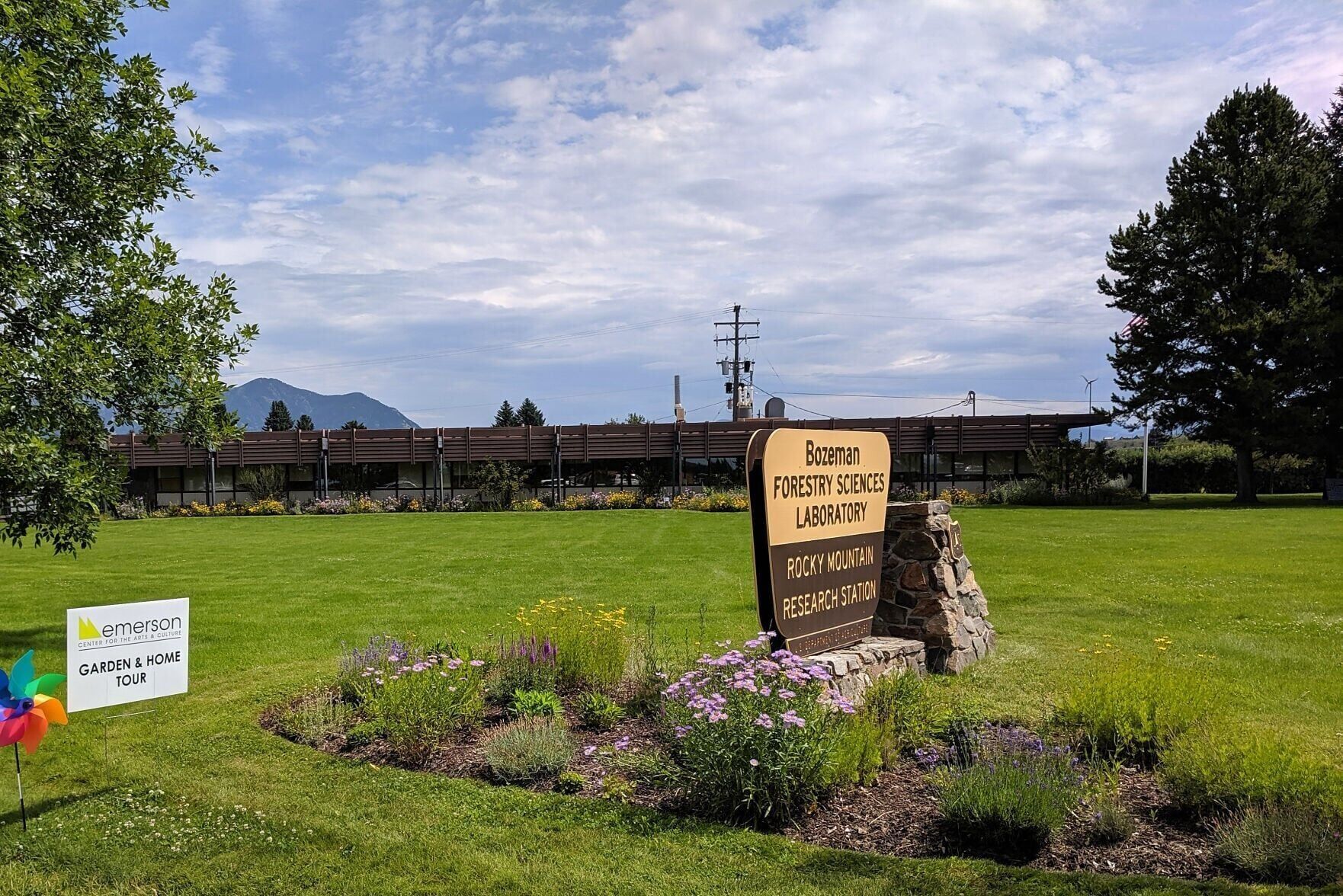
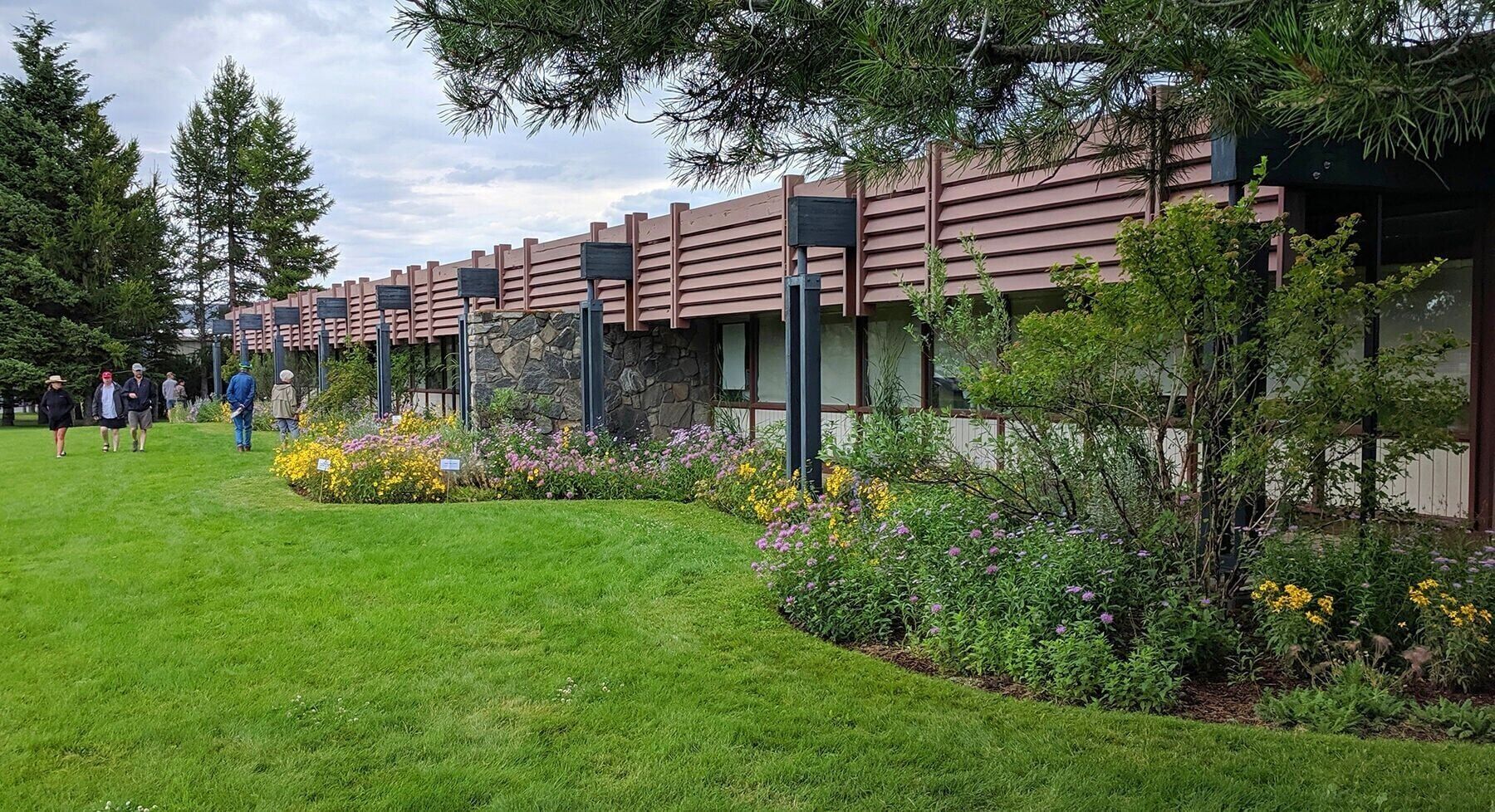
When the building first opened, it sat on a barren plot of land provided by MSU through a long-term lease. Now, after decades of cultivation by researchers and scientists, the lab is surrounded by a lush variety of trees and native plants, as well as the regular wildlife the greenery attracts.
“We see mule deer, a lot of birds,” Runyon said. “I think this is really kind of a nice corner of campus, in terms of having a little bit of nature.”
Runyon declined to comment on the department-wide reorganization, opting instead to remain focused on his research. For nearly two decades, that focus has centered on the specific ecological pressures facing Gallatin County.
“I've worked a lot with MSU collaborators to understand how land management, things like thinning and prescribed fire grazing, affect pollinators and pollinator habitats,” Runyon said. “We published a guide assessing pollinator friendliness of plants and designing mixes to restore habitat for bees.”
That guide, Runyon said, is already being utilized across the state for habitat restoration. Locally, researchers are applying those same principles to the impact left behind by forest management.
When crews thin out timber to reduce fire risk, Runyon said, they often drag trees to a central location for transport, leaving the ground trampled and littered with debris. To clear the leftovers, the Forest Service burns the scraps, creating scorched, bald spots on the forest floor.
“(Those patches) need to be revegetated, and they do a great job of revegetating them,” Runyon said. “But they often use grasses which aren't flowering plants, and don't provide nectar and pollen for bees.”
Runyon and the seven other researchers at the Bozeman lab are working to identify a mix of pollinator-friendly species that thrive in such "harsh disturbance situations," turning those grassy patches into a buffet for bees and butterflies.
It goes to show, Runyon said, that forest thinning isn't always a bad thing for the ecosystem. He pointed to another recent research initiative involving the Bozeman Municipal Watershed Project, a Forest Service effort south of town that thinned trees to protect the city’s water supply from wildfire.
While the work initially faced local skepticism over its impact on the landscape, Runyon said their research can help ease those concerns.
“We're finding overwhelmingly positive effects on flowering plants, diversity, stability, resilience,” Runyon said. “We're finding that it's overwhelmingly beneficial for pollinators.”
While Runyon is busy ensuring the local landscape remains fertile, the ecosystem of the Forest Service itself is on shaky ground. After a wave of massive layoffs in February, former Forest Service Chief Randy Moore resigned, leaving behind a blunt farewell message that acknowledged the feeling of “uncertainty, frustration, or loss.”
In House subcommittee testimony April 16, new Chief Tom Schultz faced sharp questioning over the decision to zero out budgets for certain research sectors — the very programs that sustain the work in Bozeman. When pressed on the human cost, Schultz told lawmakers that while every permanent employee would be offered a position, the survival of their research depends on a "willingness to accept reassignment.”
Runyon is no stranger to navigating complicated environments. He's built his career on it.
Just a few years after he arrived in Bozeman, he saw firsthand how the mountain pine beetle epidemic of 2009 could dismantle an entire landscape, killing millions of trees and proving that even the smallest, most unlikely force can trigger a total transformation in even the most established systems.
The Forest Service is learning the same lesson. The agency may look different in the coming months than it did when Runyon first arrived 17 years ago, but he maintains that the work remains grounded in necessity. The forest, after all, will always need tending.
“It’s been a lot of challenges, managing forests. A lot of challenges, a lot of questions, a lot of needs,” Runyon said. “As researchers, we'll never run out of pressing issues that need answered. That's one thing I've learned.”




Comments ()