
“A real win for the community”: Bozeman approves Bikefill park plan
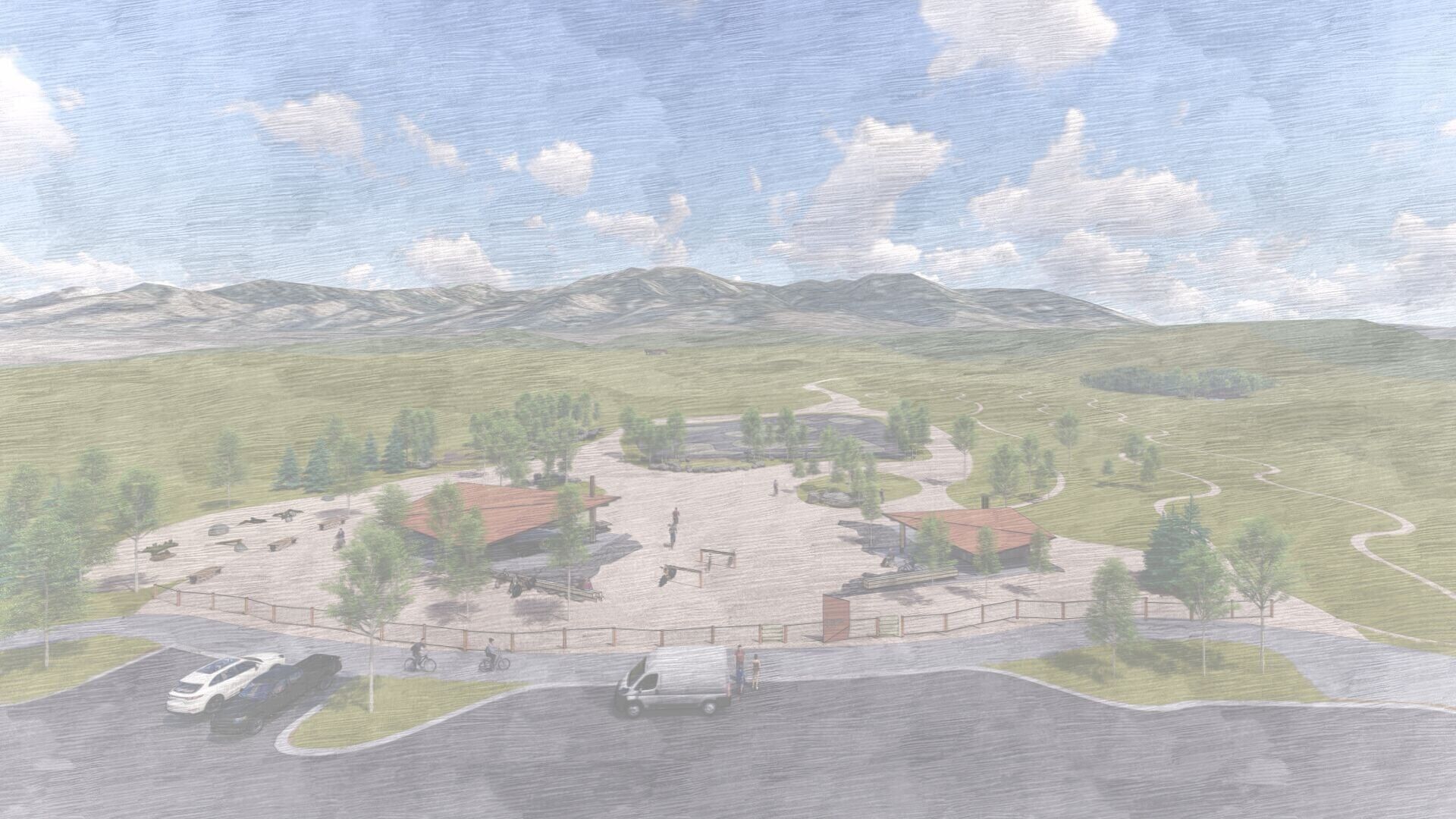
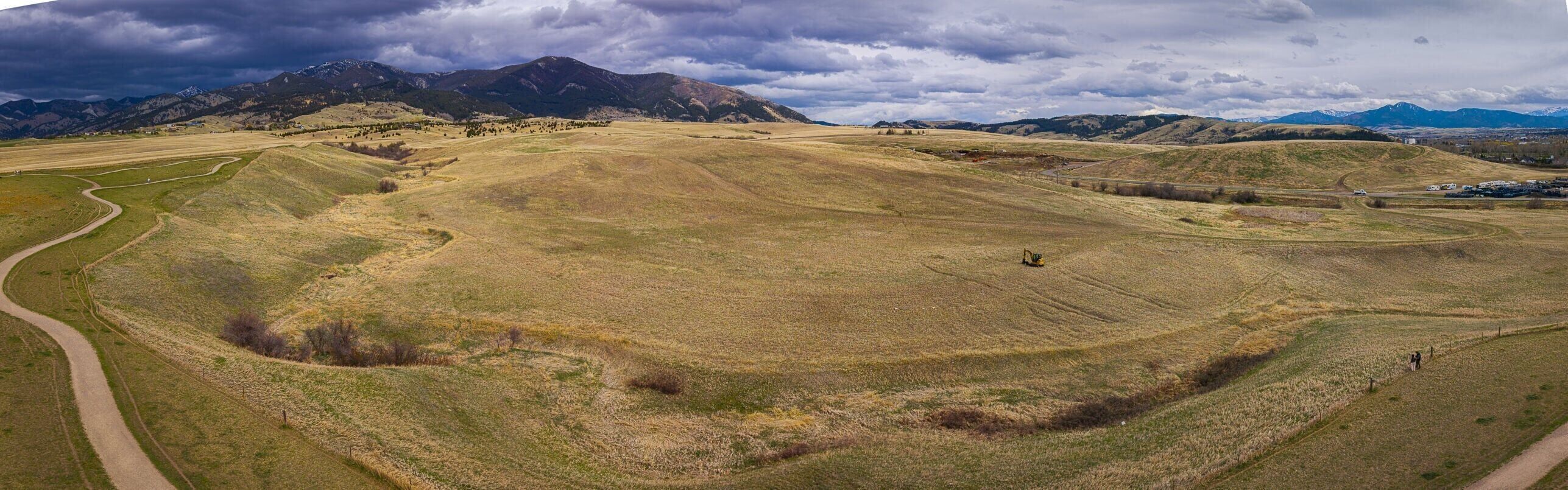
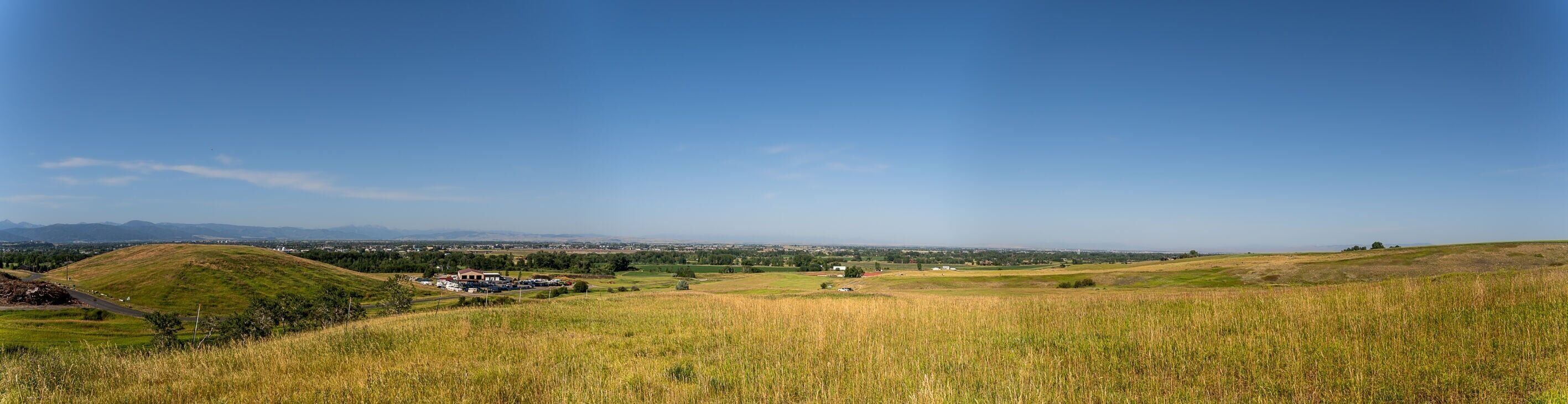
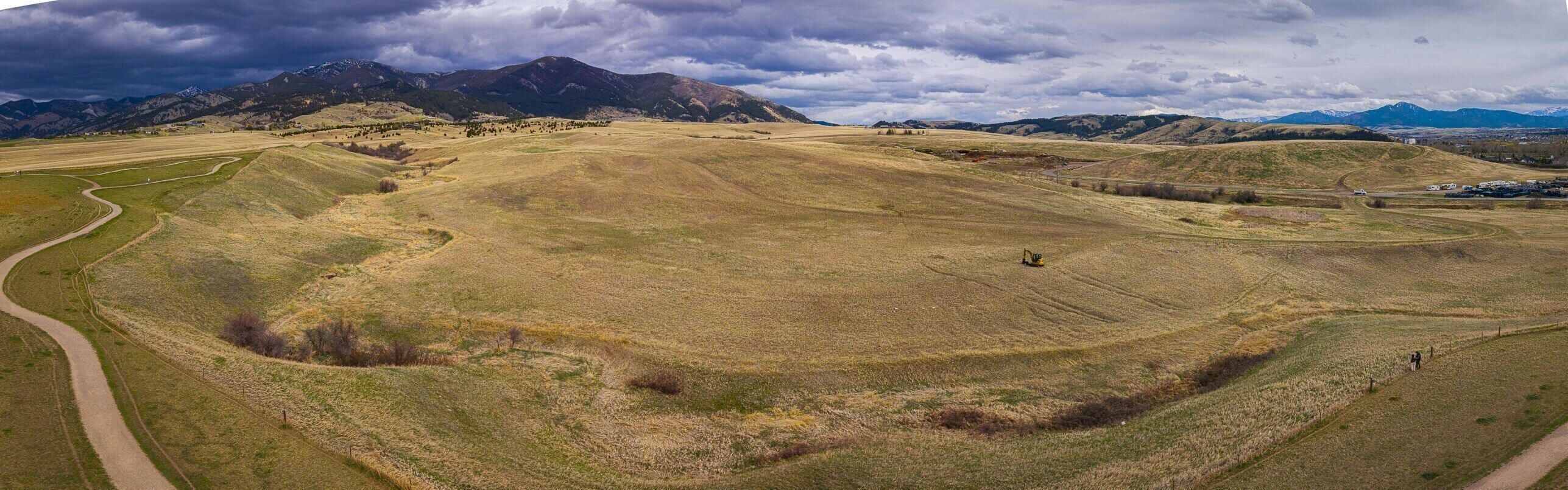
Bozeman City Commissioners approved the master plan for a community bike park at their April 7 meeting. The 66-acre Bikefill will be constructed between Snowfill Recreation Area and the Bozeman Solid Waste Division offices and composting facilities in northeast Bozeman.
“I was really happy to see so much support from the folks who showed up for public comments and all my fellow commissioners,” Bozeman City Commissioner Emma Bode said. “It seemed like a real win for the community, and it was easy to say ‘yes’.”
Groundbreaking for Bikefill is scheduled for early summer, and some rideable features are expected to be open by the fall. Full project completion is projected for summer 2027.
Bikefill was designed to “address gaps in the cycling infrastructure of the Gallatin Valley and provide the community with an accessible, world-class bike park experience for users of all ages,” according to the master plan.
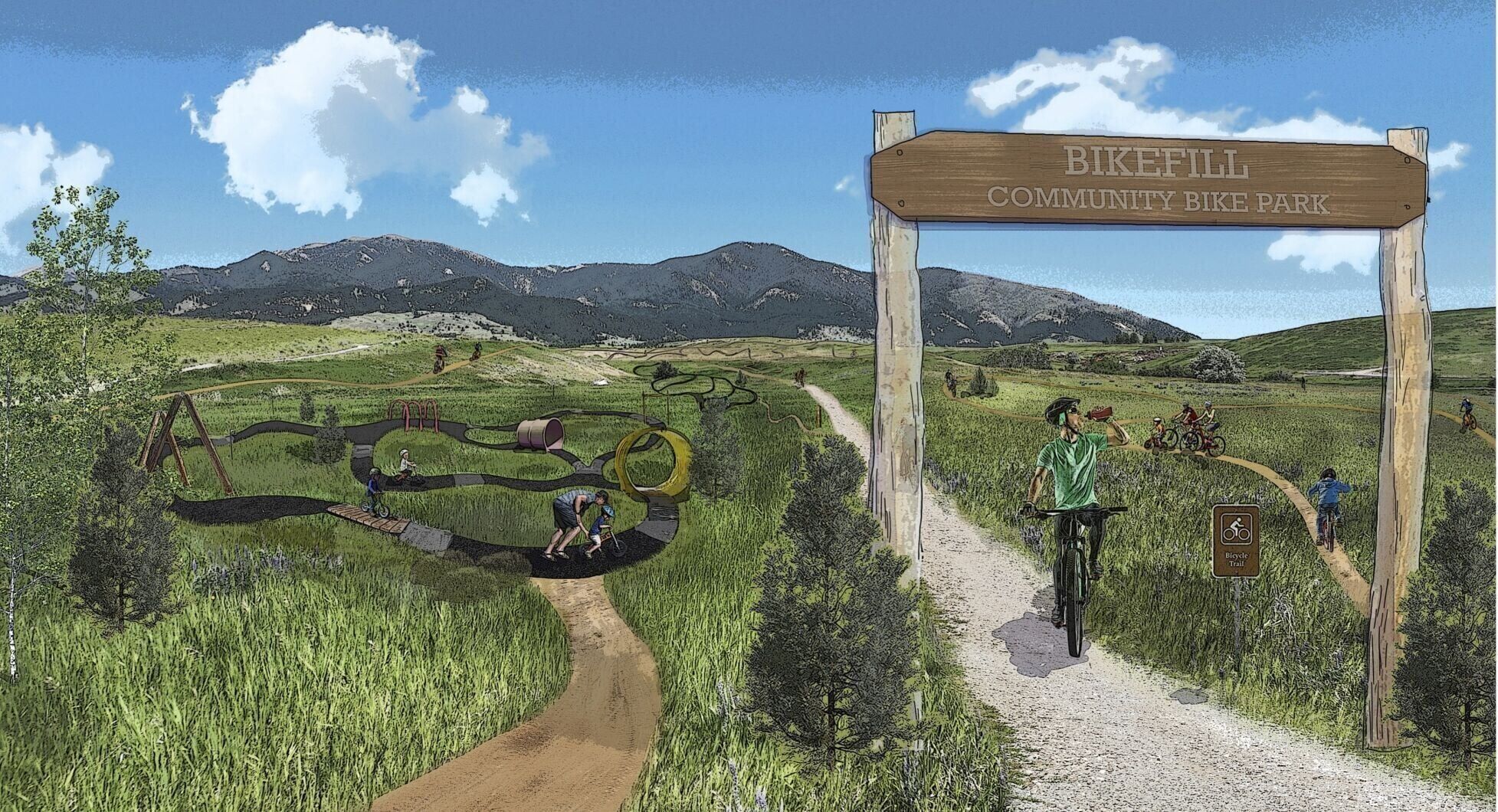
The park will feature between five and six miles of trail, shaded areas where non-bikers can watch and recreate, and several other amenities. Trails will be graded with a color system similar to ski hills, Chet Work, the Gallatin Valley Land Trust executive director, said. Green trails are for beginners, blue for intermediates, and black for more advanced riders.
The Bikefill master plan was prepared by GVLT and presented to the city in partnership with the Southwest Montana Mountain Bike Association. As GVLT finalized the master plan, Work said it turned to the community for input on the park features, trails and amenities.
“We were excited to really understand what people wanted out of the park,” Work said.
In addition to public input, numerous local nonprofits supported the project.
“There’s been a lot of collaboration among really trusted and well-respected organizations,” Bode said. “When you see the Southwest Montana Mountain Bike Association, GVLT, the Dirt Concern, the Gallatin Watershed Council, and Eagle Mount show up to a meeting, we know they’ve done their research, they’ve done their outreach, and they are really trying to build something that’s going to be a community good.”
Between workshops, focus groups, and an online survey, over 1,000 community members participated in the public engagement process over the winter. The survey found that 80% of respondents reported being “very excited or extremely interested” in the project.
The survey also found that flow trails, downhill trails with wide banked corners and frequent rollers, were the most desired, with over 85% of survey respondents listing them as a “high or very high priority.” Cross-country trails came in second, with 60% of survey respondents listing them as a “high or very high priority.”
“Most of the people who gave feedback were intermediate or advanced bikers who are really passionate about the sport, experienced, and understood what we were proposing,” Work said. “And yet, what they proposed was beginner trails and attractions for kids. I think that says a lot about our community. They recognize this is not the spot for extreme sports, but it’s really a spot to engage a community in a growing opportunity.”
Riders will be able to access the park’s features via two routes: A perimeter trail offering an easier ride, and a more challenging uphill access trail. The perimeter trail will be a cross-country track and will serve as the base for local youth cycling programs such as Bozeman Youth Cycling.
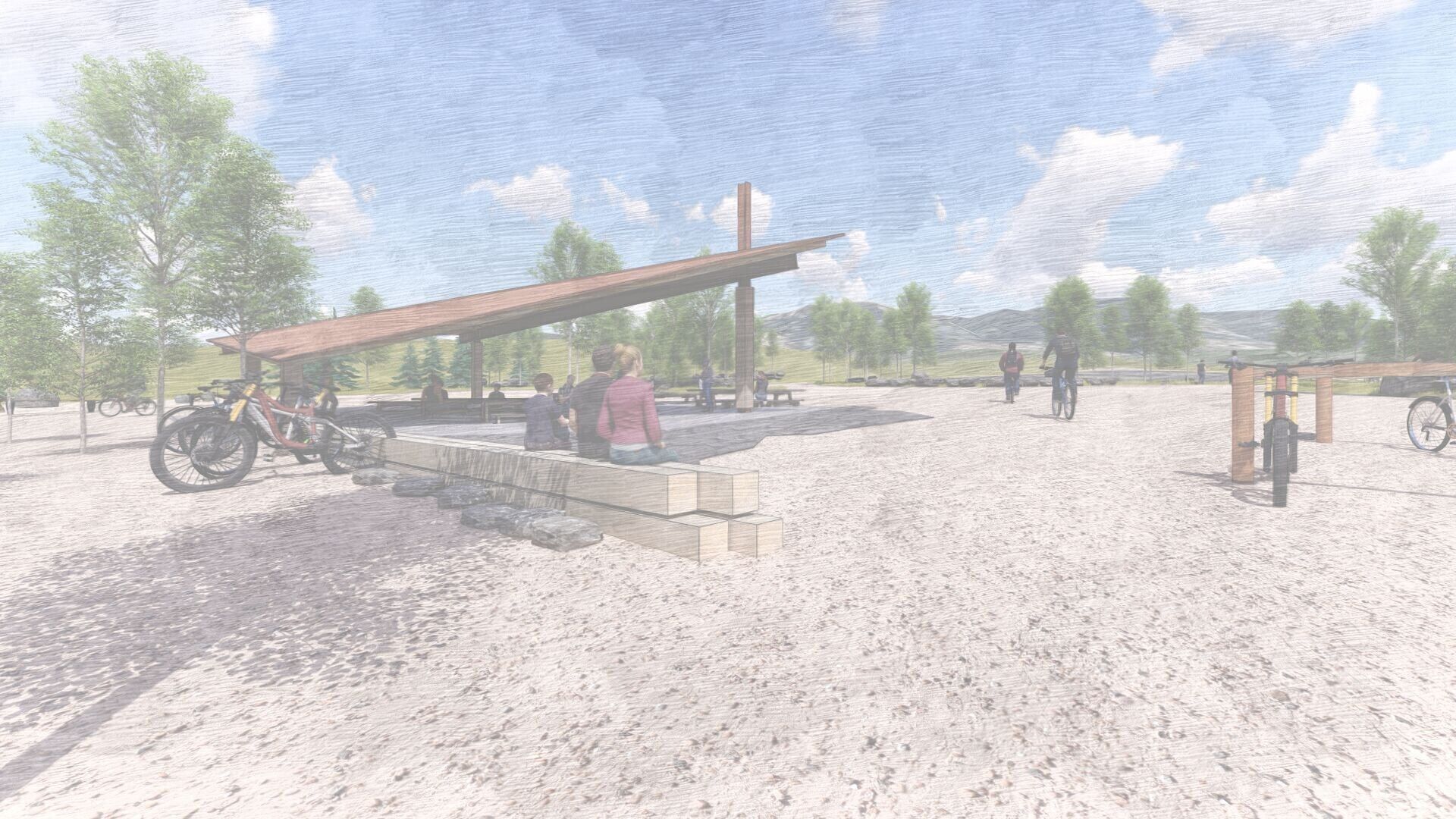
A family hub, shaded rest stops, and two “rider hubs” will provide bikers with opportunities to take breaks as they navigate the trails and features.
Additionally, Bikefill will have a slope-style course and feature cyclocross elements. The slope-style course will feature a hardscape ramp and dish features, allowing advanced riders to hone their jumps and tricks.
Cyclocross combines road cycling, mountain biking and steeplechase. Bikefill will include a sand pit, embedded steps, and wood ledges to allow athletes to train.
For those less inclined to bike, the park will also feature open lawn areas, a hammock grove, event pavilions, a playground, picnic stations, and paths connecting to local neighborhoods and other parks.
“If we didn’t spend the money to design the family hub and make this place attractive, I’m not sure we’d have much of an impact,” Work said. “We have to have those amenities to introduce people to different skills, to different ways of using bikes, and to make families comfortable being here.”
In addition to creating a recreation space for the community, the Bikefill master plan also aims to protect natural landscapes.
The site contains hilly grasslands and wetland areas. According to the master plan, trails will be kept to a minimum in zones with existing on-site wetlands and those near Churn Creek.
Five acres of native grassland vegetation along Churn Creek will be trail-less to create a natural buffer area to support native vegetation and wildlife habitat.
Part of the park will be built over the old city landfill, with the most recent cell, “Mt. Trashmore,” contributing to Bikefill’s 200 feet of vertical elevation relief.
“What better place to put a bunch of mountain bikers and have them impact the land around them than an old landfill?” Work said. “To me, when we talk about developing new trails, the impacts that those trails have are a big concern to the Gallatin Valley Land Trust.”
Building Bikefill on an old landfill helps GVLT strike a balance between conservation and recreation, he said.
“The opportunity to work here with the city on this site that’s been so heavily impacted, it’s just a dream,” Work said.
For GVLT, that dream has been a long time coming.
In 2012, former GVLT board member Bill Cochran and Gary Vodehnal, the GVLT trails project manager at the time, received a call from Kevin Handelin with the Gallatin Solid Waste Management District.
Handelin asked GVLT if it was interested in doing something with the 66-acre parcel stretching between McIlhattan and Story Mill roads.
“We were told right away that we would need a site plan,” Cochran said. “There wasn’t anybody around in Montana at the time who was interested, capable, and had the wherewithal to build a bike park.”
Cochran inspiration was drawn from the Valmont Bike Park in Boulder, Colorado. Leveraging his position on the GVLT trails committee and his upcoming board appointment, Cochran contracted Vancouver-based Alpine Bike Parks to design Bikefill.
“They came down to the property and began to just salivate,” Cochran said. “They were like, ‘seriously? They’re just going to give you this, and we can do pretty much whatever we want?’”
Within a year, Cochran said, they presented the plan to the city. That’s when GVLT hit its first hurdle.
“They told us if we wanted to build the park, they’d have to hold us to the same standards as developers,” Cochran said.
That would include repairing McIlhattan Road, the primary access to Bikefill, and the city’s access road to the solid waste facility.
“There was just no way we could raise 1.5 or 2 million dollars to build a public road; that’s not what we do,” Cochran said. “I brought it up six times over the next ten years, and got told the same thing every time.”
Then, about two and a half years ago, a breakthrough happened.
Rather than asking GVLT to foot the bill for the McIlhattan Road restoration, Mayor Terry Cunningham advocated putting the project in the city’s 2026–2030 Capital Improvements Plan. Finally, GVLT was able to make headway on the project.
“I’ve been sitting here with all this anticipation, and when the commission finally approved funding for McIlhattan Road in the Capital Improvements Plan, I’m not going to lie, I cried,” Cochran said. “I was so happy and so emotional over it that I shed some tears.”
The full Bikefill project was estimated to come to $4.5 million, said Work. About half of the budget will go to McIlhattan Road restoration and paving the Bikefill parking lot. Work said about one-quarter of the budget will go to infrastructure like the family hub and bathrooms, and the remaining money is designated for the trails and features.
“Trails are cheap, but we want to motivate the community to use them,” Work said.
Funding for Bikefill is derived from a combination of public and private sources.
The City of Bozeman will be investing more than $2 million through existing park and infrastructure funds, including $750,000 from the federal Land and Water Conservation Fund.
The city funding will cover access improvements, pathway construction, site development and amenities, and reconstruction of McIlhattan Road, the main access to Bikefill.
GVLT will contribute $1.9 million raised through private philanthropy. These funds will help cover trail construction, wayfinding, community hub features, and site amenities.
While the master plan has been approved by the Bozeman City Council, GVLT is offering the public a final opportunity to submit comments. Participants can access an interactive virtual tour of the park and provide live feedback on features and amenities.
Due to the mild winter, Work hopes to get construction off the ground slightly earlier than anticipated.
For lifetime Bozeman resident and second-season mountain biker Carson Sprague, the park can’t come soon enough.
“A bike park is a great place for everyone, and it’s something Bozeman lacked. We have all these cool trails, but we don’t have a centralized area where you can hit a jump line, do cross-country laps, do some enduro, maybe a little techie downhill — whatever you’re into,” Sprague said. “Having all of that in one central scene is going to help like-minded bikers find their crew, and there’s no better place to do it.”


Comments ()