
After Missoula deputy found not guilty in speeding trial, defense says law should change
After a Missoula sheriff's deputy was recently found not guilty at trial of speeding following an incident where a law enforcement convoy collided with a driver who died in the crash, the defense is saying the law the deputy allegedly violated is outdated.
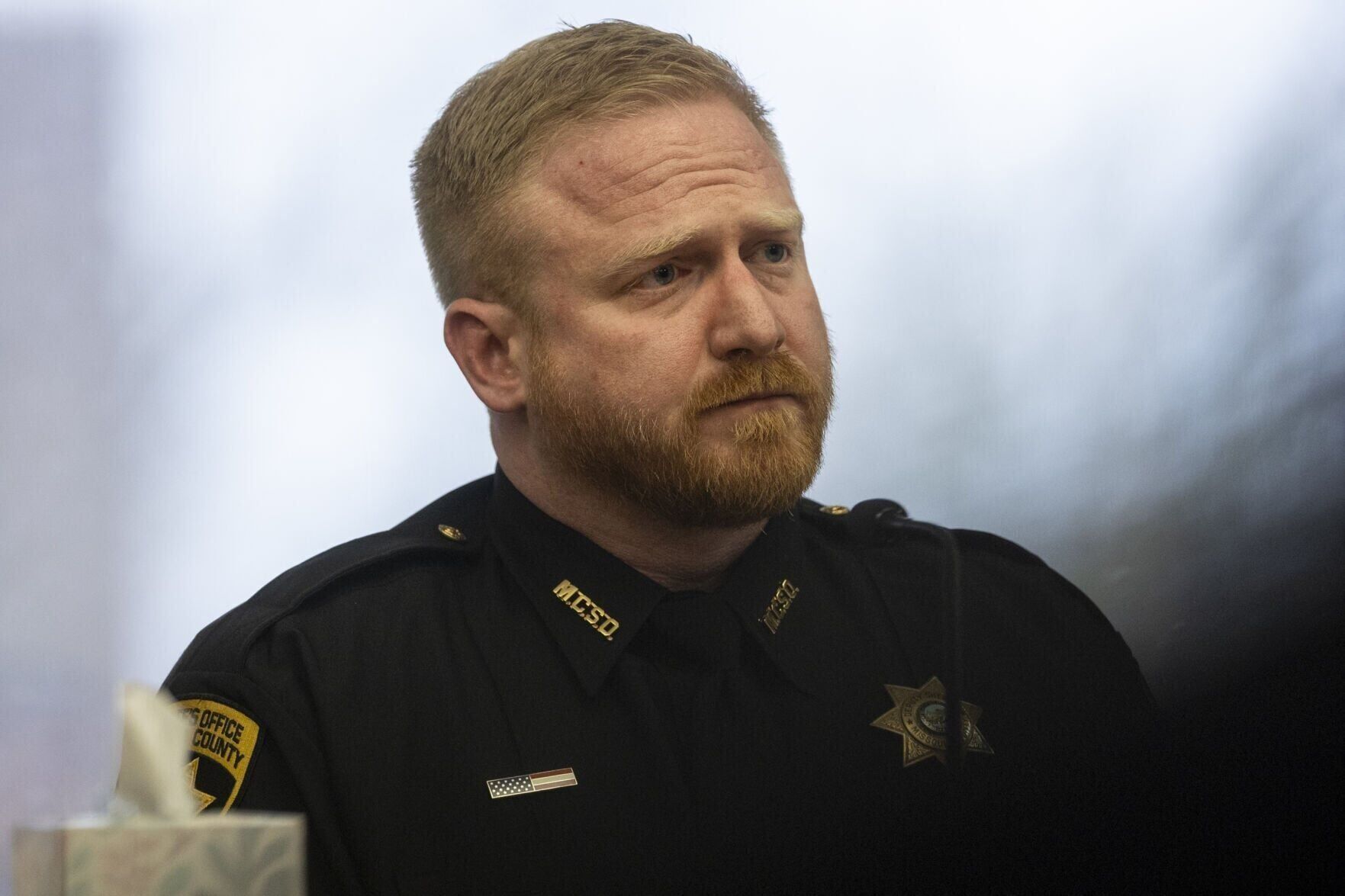
In 2024, sheriff's deputy Michael Baker was at the head of a law enforcement convoy driving 84 mph on a highway with a 70 mph speed limit, heading to a residence they believed held evidence that was vitally important to a case and could be destroyed if anyone was tipped off they were coming. An 81-year-old man, Gaylord Angst, pulled out in front of the convoy. Angst did not have the right of way, and was struck by Baker's vehicle. Angst died on the scene, and Baker was seriously injured.
Because there was a death, Montana Highway Patrol, who investigated the scene, gave all their investigation materials to the Missoula County Attorney's Office, which charged Baker with a misdemeanor speeding violation.
Baker was the only one charged. According to Missoula County Attorney Matt Jennings, who prosecuted this case, Baker's car was the only one that recorded data showing his speed, since the "black boxes" that record speed only save that information if an airbag goes off. Jennings said he would probably have charged the other two cars — Baker's supervisor and a vehicle containing federal agents — if there had been evidence of speeding.
Jennings told the Missoulian that he wasn't aware that federal agents were involved in the incident until trial, and the involved agents weren't interviewed.
A spokesperson from the FBI declined to comment when reached by the Missoulian.
Baker was found not guilty by the jury. But the underlying cause of the charge remains: Montana law is at odds with Montana law enforcement.
Montana law grants officers certain exceptions to traffic laws, but stipulates they must use visible and/or audible signals while doing so.
At Baker's trial, law enforcement officers from the Missoula County Sheriff's Office testified that they were trained to use their discretion about whether to use lights or sirens.
"This statute was written in 1955 and is clearly outdated to modern police practice, not only in Missoula County, but throughout the entire nation," MCSO spokesperson Jeannette Smith told the Missoulian in an email in response to questions about the statute.
For example, Smith said, a deputy might need to respond to a silent panic alarm at a bank quickly without letting the suspect know they'd arrived. Or they might be responding to a domestic violence call where the suspect doesn't know the victim called. Or in a rapid response during a snowstorm, the red and blue flashing lights might reflect off the snow and blind other drivers.
A Montana Highway Patrol trooper also testified that she had sped without lights before when she felt it was necessary for speed and safety.
The Missoulian reached out to the MHP for comment on its policies.
"Montana Highway Patrol troopers always adhere to state law when responding to emergencies and investigating crashes, just as they did in this case," MHP spokesperson Kylie Gibson said in an email.
"That case has no impact on how the Missoula Police Department does business," MPD Detective Capt. Eddie McLean said.
McLean said speeding to a scene is less of an issue for MPD because its officers drive at generally lower speeds, because most of its business takes place in city limits.
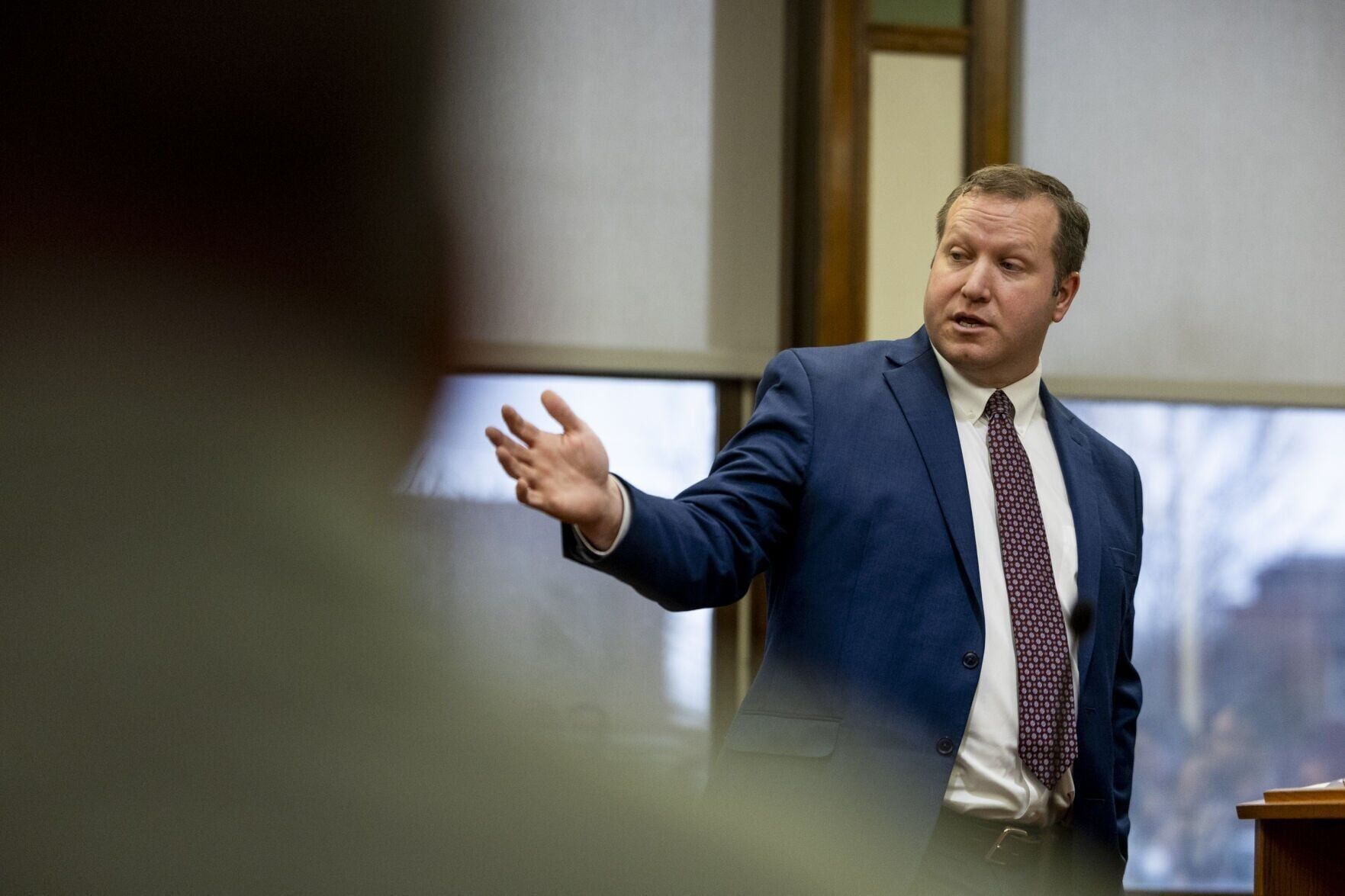
Jennings said concerns about the contradiction may be overblown. The Baker case was highly unusual, he said. In his 13 years at the Missoula County Attorney's Office, he said this is the first time he's seen an accident resulting in injury or death involving a law enforcement vehicle running a "Code 2," or a typically urgent, fast response to a scene without the use of lights or sirens.
Jennings said he didn't see a need for the law to be amended.
"I'm not surprised that they found not guilty," Jennings said. "There were jury instructions given that I've never seen in my career."
Specifically, Jennings said the jury was instructed that the law may not apply to officers who are doing necessary actions to carry out their official duties.
Jennings said he's satisfied that the jury returned a fair verdict, but has some worries about the precedent of juries being instructed that officers can violate the law if their conduct is justified in the carrying out of their duties.
"If that was applied to other circumstances, that's a very dangerous slippery slope," Jennings said.
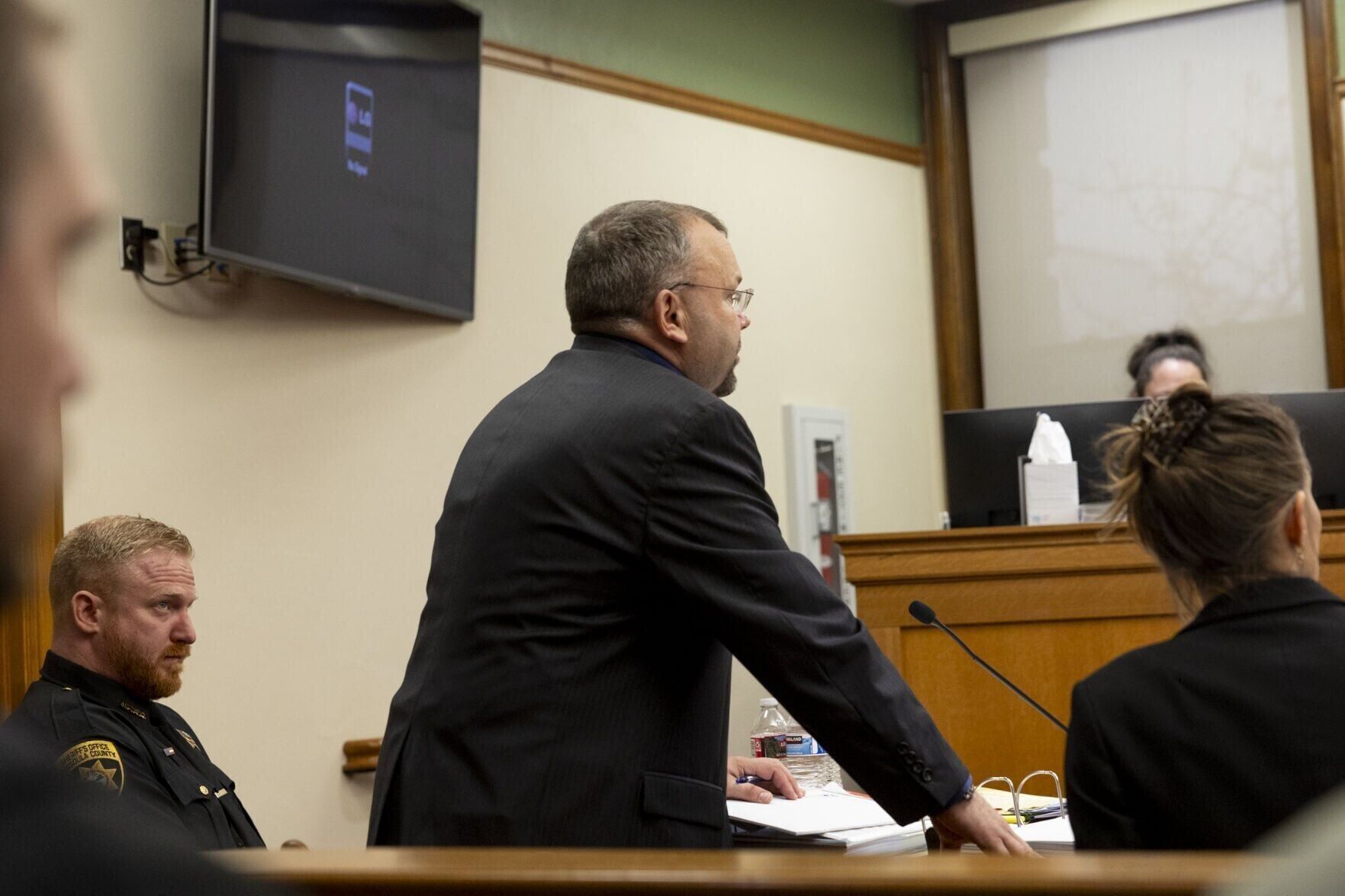
Baker's defense attorney Lance Jasper said he believes the statute needs to be amended. He's called Rep. Curtis Cochran, a Republican from St. Regis who represents House District 90, about introducing a bill next legislative session. He said he's also asked the Montana attorney general to issue guidance to prosecutors to not prosecute the law in this way, though said he hasn't heard back.
Cochran said he's looked at the case, but hasn't looked further into amending the statute.
"Maybe that statute could be updated," he said. "It certainly could be looked at again."
Sen. Ellie Boldman, a Democrat who represents the district the crash took place in, said it's not unusual for statutes to be out of date.
"This is nothing new," Boldman told the Missoulian. "Making laws is like making sausage. We piecemeal all kinds of stuff together."
It's not unusual for outdated statutes to stay on the books, Jasper agreed when speaking with the Missoulian. For example, he cited Montana's anti-sodomy law, which wasn't formally legislatively repealed until 2013. But he said it's unusual for such laws to be prosecuted.
Jasper criticized Jennings for charging Baker, saying the fact that the county attorney acknowledges that Missoula County Sheriff's Office training contradicts the law could open up Montana law enforcement to civil action. Jennings disagreed.
"We get sued all the time for everything," Jennings told the Missoulian. "If we were to not take action because we don't want the public to know something, that would be extremely dangerous."



Comments ()