
As public lands face strains, Bozeman rallies for Earth Day
As Earth Day returns, communities are reflecting on the responsibility of protecting the lands, water, and wildlife that define their way of life, even as public lands face growing pressures from increased visitation and limited staffing.
“Everybody is celebrating what makes these areas so special — the wildlife, our lands, and our clean water,” Anne Ready, founder of the Gallatin Valley Earth Day Festival, told the Chronicle. “It’s a natural fit because they’re just celebrating what they love, and that’s why they’re here, and that’s what makes Montana so special.”
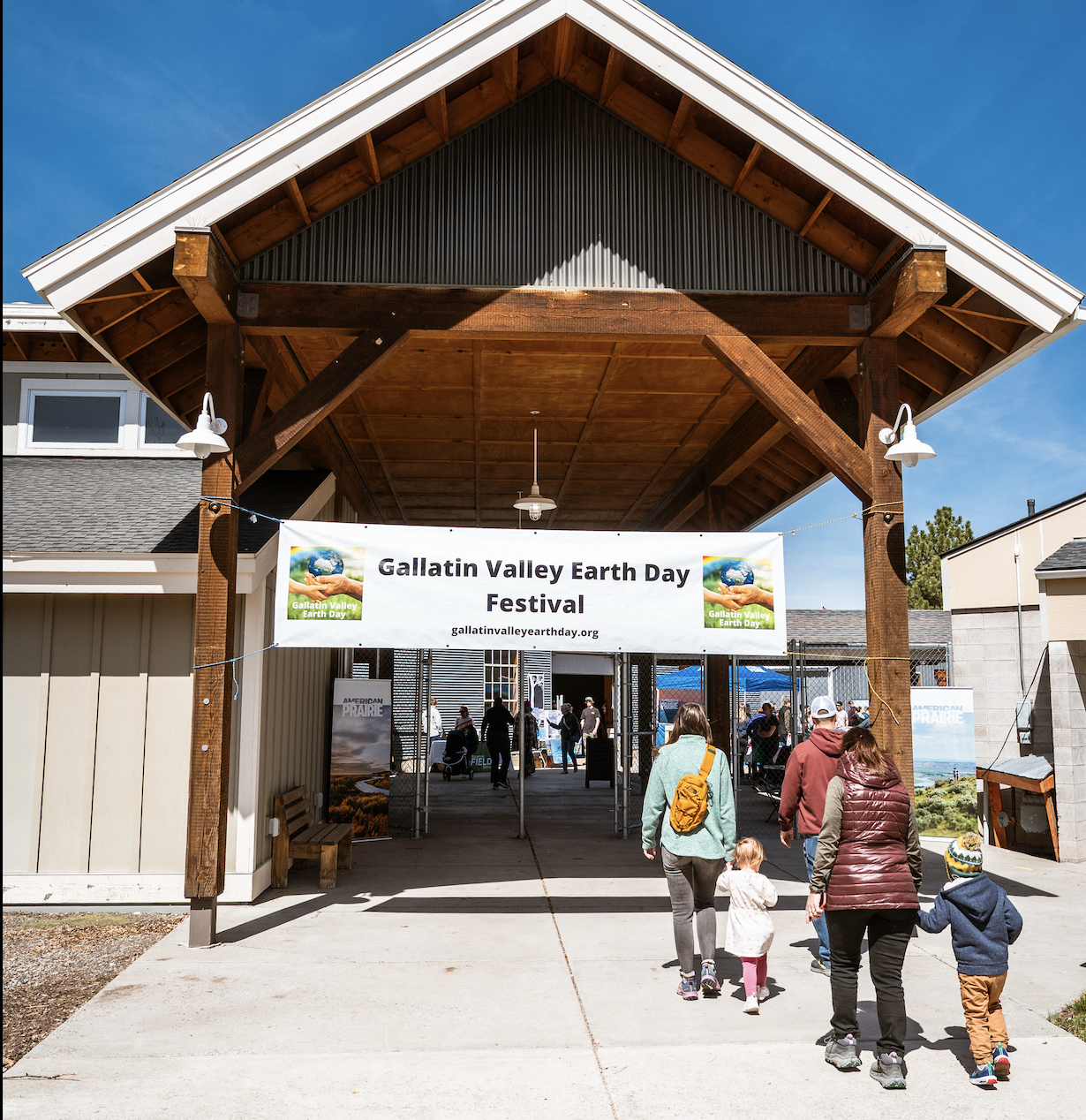
In Bozeman, the Gallatin Valley Earth Day Festival is celebrating its eighth year. Since the festival’s debut in 2019, Ready said attendance and programming have blossomed.
This year, Ready anticipates the festival will draw 2,000 attendees. No entrance fee is charged for the event, which will take place Saturday at the Gallatin County Fairgrounds.
Programming will include a magic show; expert talks about water, composting, plastics, and soils; a 5K fun run; live music; a pop-up food court; and a live raptor presentation with the Montana Raptor Conservation Center.
Ready attributes the festival’s success to the Gallatin County community. With more than 50 partners, including the City of Bozeman, Greater Gallatin United Way, Bridger Bowl, the Gallatin Wildlife Association, and the Community Food Co-op, the event will celebrate the “collective spirit of Bozeman,” stewardship, and sustainability.
“Why do people move here? Why do people like living here? It’s for everything great the outdoors has to offer — from the wildlife to the fly fishing,” Ready said. “The people who want to move here are really concerned about, appreciate, cherish, and love the outdoors.”
Ready said her Wisconsin roots drove her to organize the first Gallatin Valley Earth Day Festival.
“The very first Earth Day was in 1970. The idea came from Wisconsin Senator Gaylord Nelson,” Ready said. “I have always been aware of it since I was a kid. In Wisconsin, we have a lot of really well-known wildlife ecologists who were active early in the movement. I think it was sort of in my DNA.”
Earth Day was born out of rising concerns over industrial pollution, inspired by the anti-war movement, and fueled by the reaction to the 1969 Santa Barbara oil spill and Rachel Carson’s New York Times bestselling book "Silent Spring". It marked the beginning of the modern environmental movement.
Nelson floated the idea of a teach-in on campuses across the country. The April 22 date was chosen to fall between universities’ spring break and final exams to maximize student participation in nationwide demonstrations.
Nelson recruited a young activist named Denis Hayes to organize the teach-ins. Hayes launched a national effort to promote the event and named it “Earth Day,” garnering national media attention and expanding the event’s reach well beyond universities.
The first Earth Day saw 20 million Americans, or nearly 10% of the population at the time, take to the streets to organize against the negative environmental impacts of 150 years of industrialization.
Citizens across political and socioeconomic lines unified to fight against oil spills, factory pollution, ineffective waste management, the loss of wilderness and wildlife, and the adverse health impacts caused by diminished water and air quality.
The first Earth Day served as the catalyst for the establishment of the Environmental Protection Agency, the passage of the National Environmental Education Act, the Occupational Safety and Health Act, the Clean Air Act, and the Clean Water Act.
In Montana, the importance of natural landscapes, clean air and water, and recreational opportunities is paramount.
The 1972 state Constitution includes environmental and natural resource protection, asserting that “the state and each person shall maintain and improve a clean and healthful environment in Montana for present and future generations.”
Annually, Montana’s outdoor recreation sector generates just under $4 billion, ranking as the state’s third-highest-grossing sector, according to the U.S. Bureau of Economic Analysis.
Nationally, federal organizations such as the United States Forest Service, Bureau of Land Management, and National Park Service are experiencing reductions in funding and staffing.
In February 2025, 360 Montana USFS employees were terminated from their positions. While some were later reinstated by the Merit Systems Protection Board, the mass layoff adversely impacted operations like trail maintenance in some districts.
To help combat the staffing deficit, David Willms, associate vice president of public lands for the National Wildlife Federation, is calling on the public to play a role in land stewardship.
“It’s about being responsible stewards of the land and not depending on others to do it for you,” Willms said. “It’s that Leave No Trace ethic. It’s the standard: Stay on trails, pick up trash, don’t have fires (when there are bans), don’t drive off roads, and close gates behind you. These are the basic things that people take for granted and assume there’s someone there to do that for them.”
Additionally, Willms said it’s important to know the local regulations wherever you are recreating. This means staying up to date with fire bans, trail closures, and motor vehicle use restrictions.
If someone has more time on their hands, Willms suggests educating themselves and peers about public lands and volunteering with conservation groups and federal agencies.
With the summer season approaching, Yellowstone National Park is bracing for its annual influx of visitors.
Last year, the park welcomed 4,762,988 visitors, the park’s second-busiest year, trailing 2021 by about 100,000.
“(Yellowstone) is a once-in-a-lifetime trip for a lot of people, and they get this sense of awe,” Ashton Hooker, a Yellowstone National Park spokesperson, said. “If they see a bison, they’re going to stop and look, whether they’re driving on the road or on a trail. It’s hard not to because they might never come back to Yellowstone.”
To help visitors be responsible stewards of the Yellowstone landscape and wildlife, Hooker said the park has developed the “Yellowstone Pledge,” a 10-point list of ways to recreate responsibly.
The pledge echoes many of the points Willms highlighted, including staying on trails and picking up trash. It also includes reminders to be aware and respectful of wildlife, including grizzly bears; approach water cautiously; drive safely and defensively; leave all found natural objects where you find them; clean, drain, and dry watercraft to prevent the spread of invasive species; and leave drones at home.
“These rules are in place for visitor safety,” Hooker said. “We’re not trying to spoil the fun; we just want to make sure everyone is safe while having it.”
For those interested in volunteering in Yellowstone, Hooker said they can reach out to the park’s volunteer coordinator or visit the volunteer webpage. While Yellowstone National Park cannot accept financial donations, Yellowstone Forever, the official nonprofit partner of the park, can.
“Earth Day is a great reminder that it’s easy to take places like this for granted when Yellowstone, Grand Teton and the GYE are in your backyard,” Hooker said. “It’s a reminder that these ecosystems provide unique qualities and opportunities for us to get outside and enjoy all types of public lands and access.
“Earth Day is a reminder of the importance of a place like Yellowstone and what it offers not only to nature and the ecosystem, but to us too.”



Comments ()