
At Billings forum, Montana Democrats reject idea that U.S. Senate seat is a longshot
All but one of the five Democrats running for Montana’s open U.S. Senate seat burnished their progressive bona fides on Thursday in front of a rowdy crowd in open rebellion to the prevailing narrative that the party’s chances to win the statewide race are slim.
The roster of Democrats vying to take back the seat currently held by Republican Sen. Steve Daines, whose unexpected exit from the race rattled Montana’s political circles, got along more than they disagreed.
Most sought to energize prospective voters with messages that have increasingly become part and parcel of the national Democratic party’s leftward flank: overhauling the U.S. Immigration and Customs Enforcement, a ban on new data centers and unapologetic belief that a blue wave is coming this election cycle.
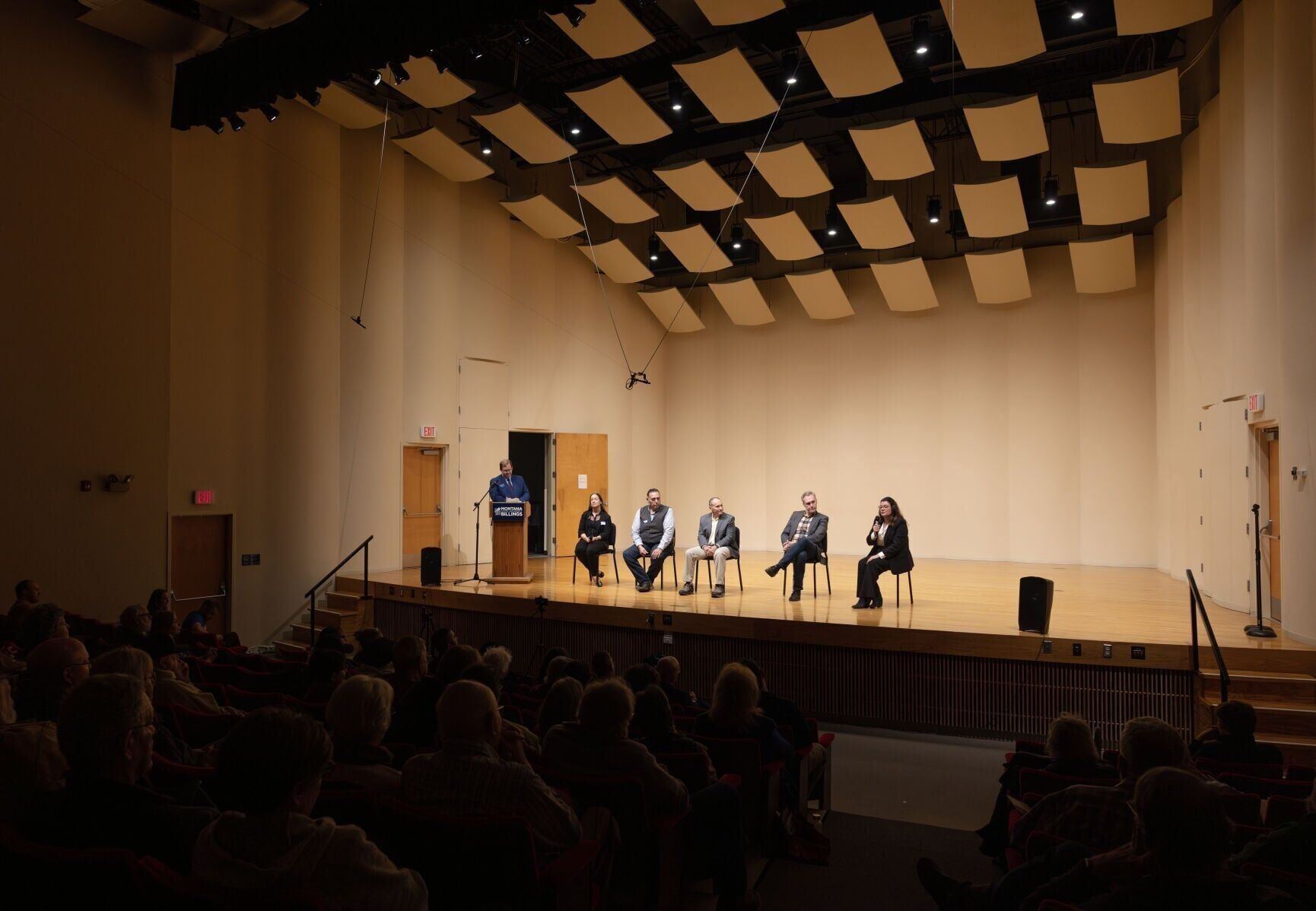
Held in an auditorium at Montana State University Billings with most of the roughly 300 seats filled, the forum appeared a bright spot for hopeful Democratic candidates whose fundraising figures and public spotlight have lagged compared to the GOP frontrunner Kurt Alme and Seth Bodnar, an independent candidate and former University of Montana president.
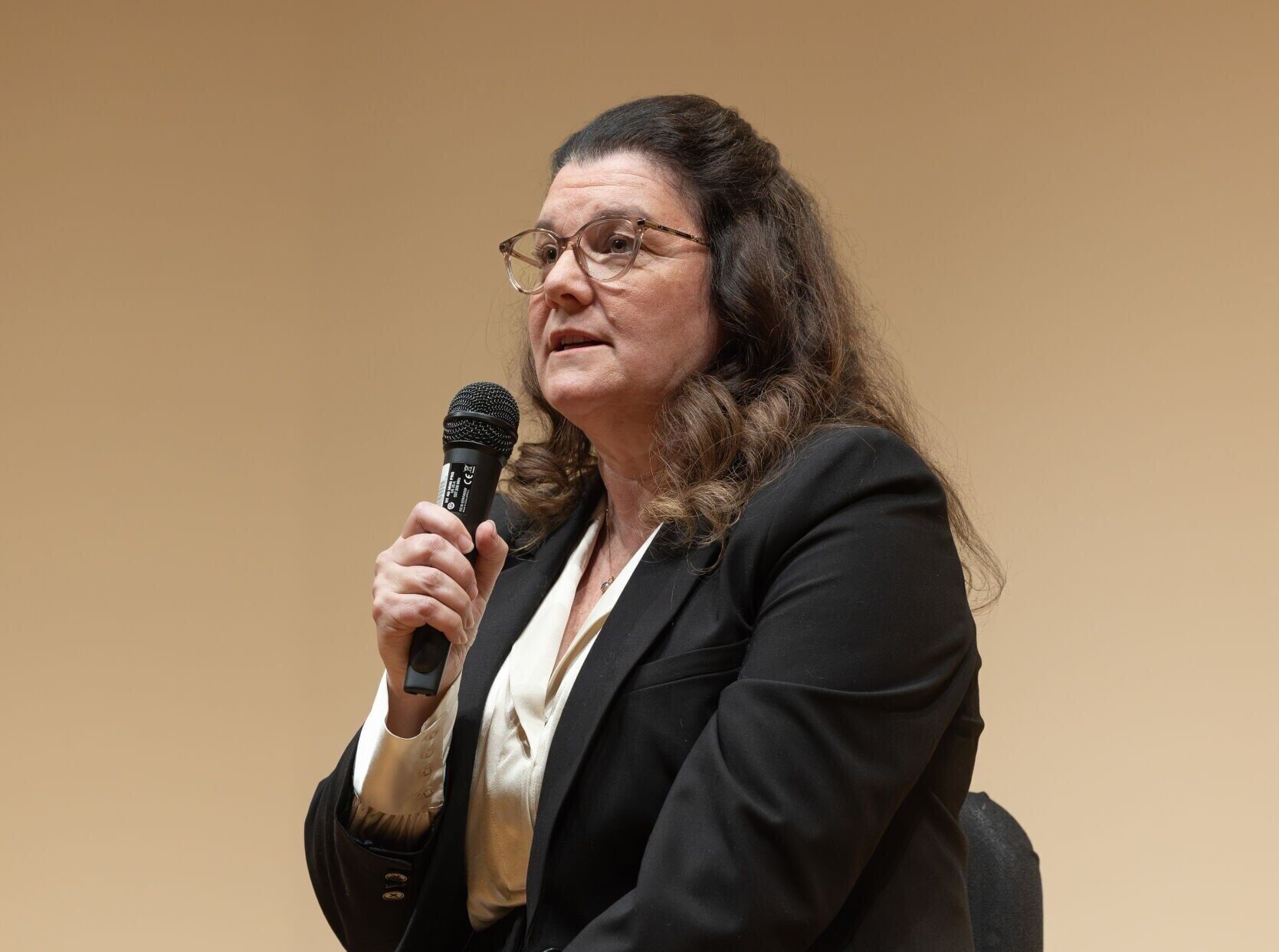
“We want universal health care, a single-payer system. That’s what people want. And people want to raise taxes on billionaires and millionaires,” said Reilly Neil, a former lawmaker from Livingston and the apparent frontrunner in the primary contest. “... that is a message that’s going to beat the Republicans.”
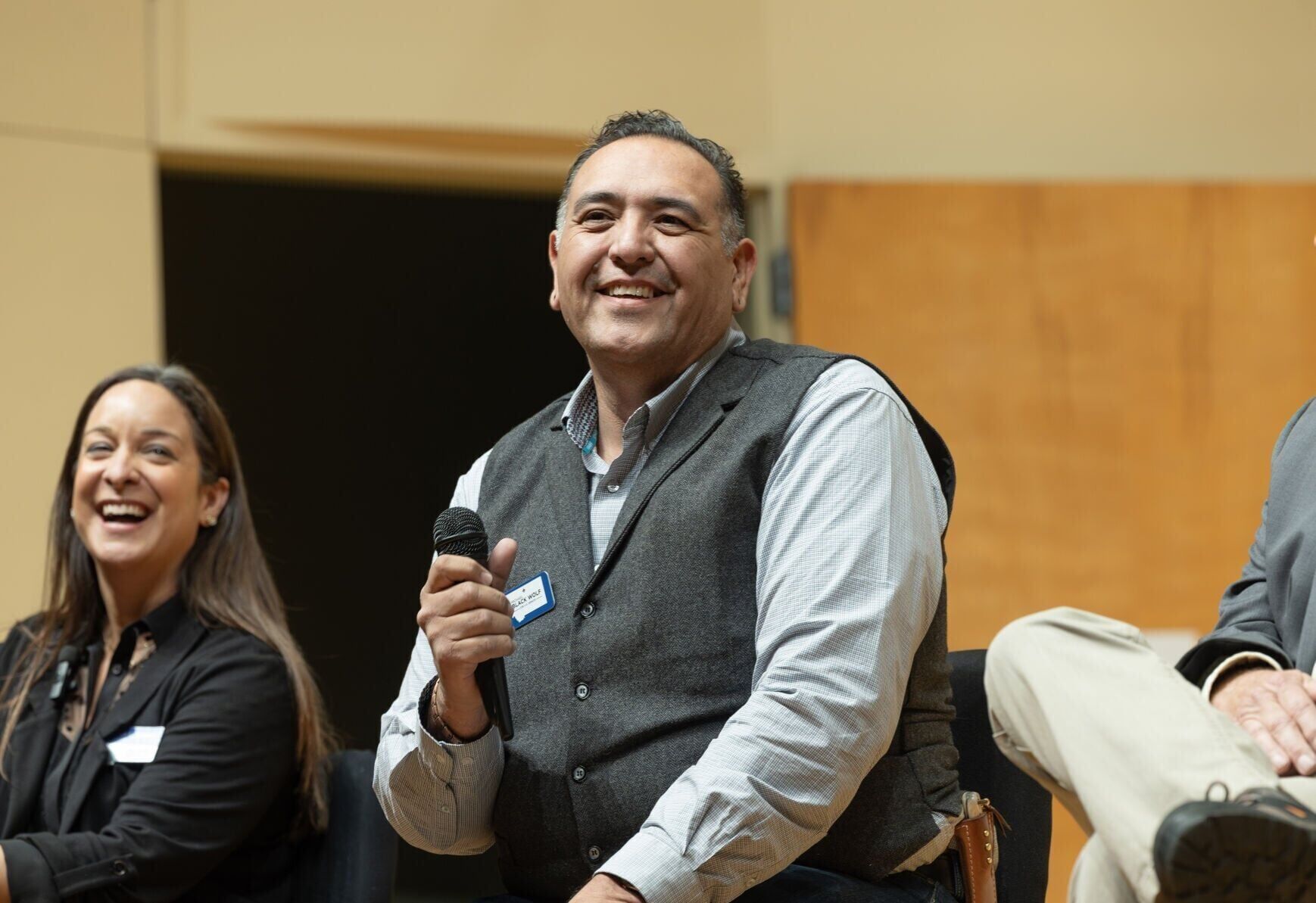
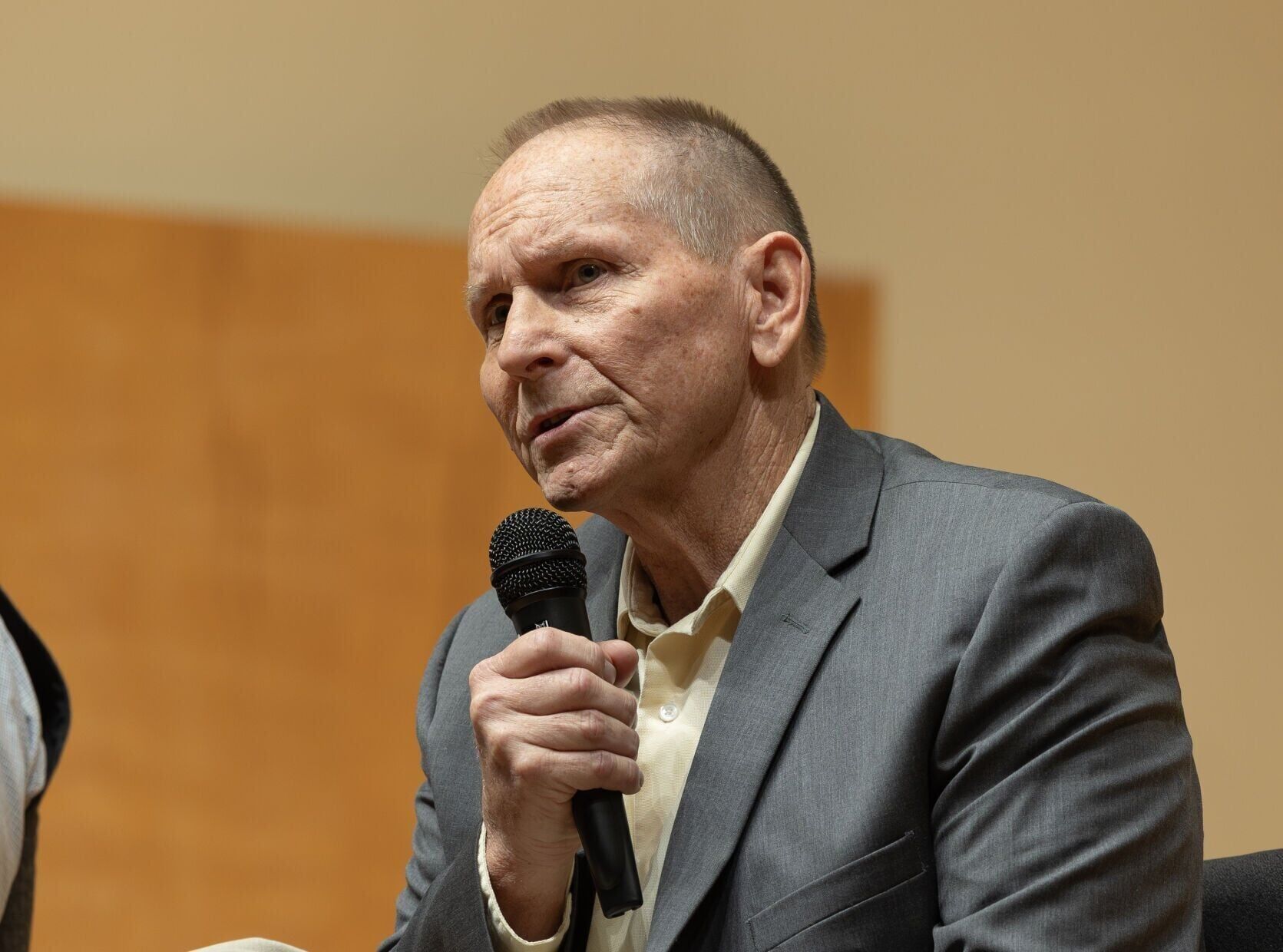
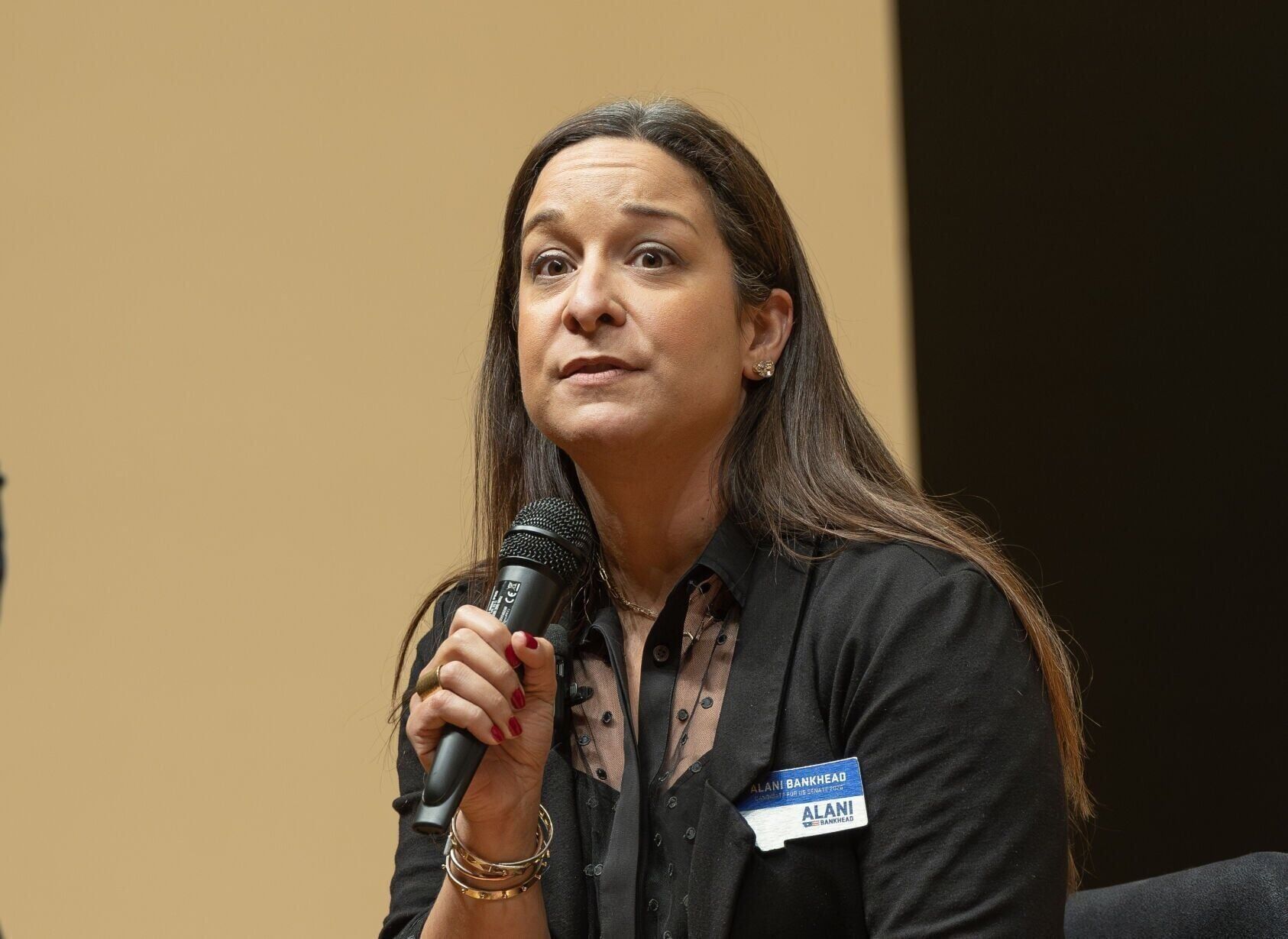
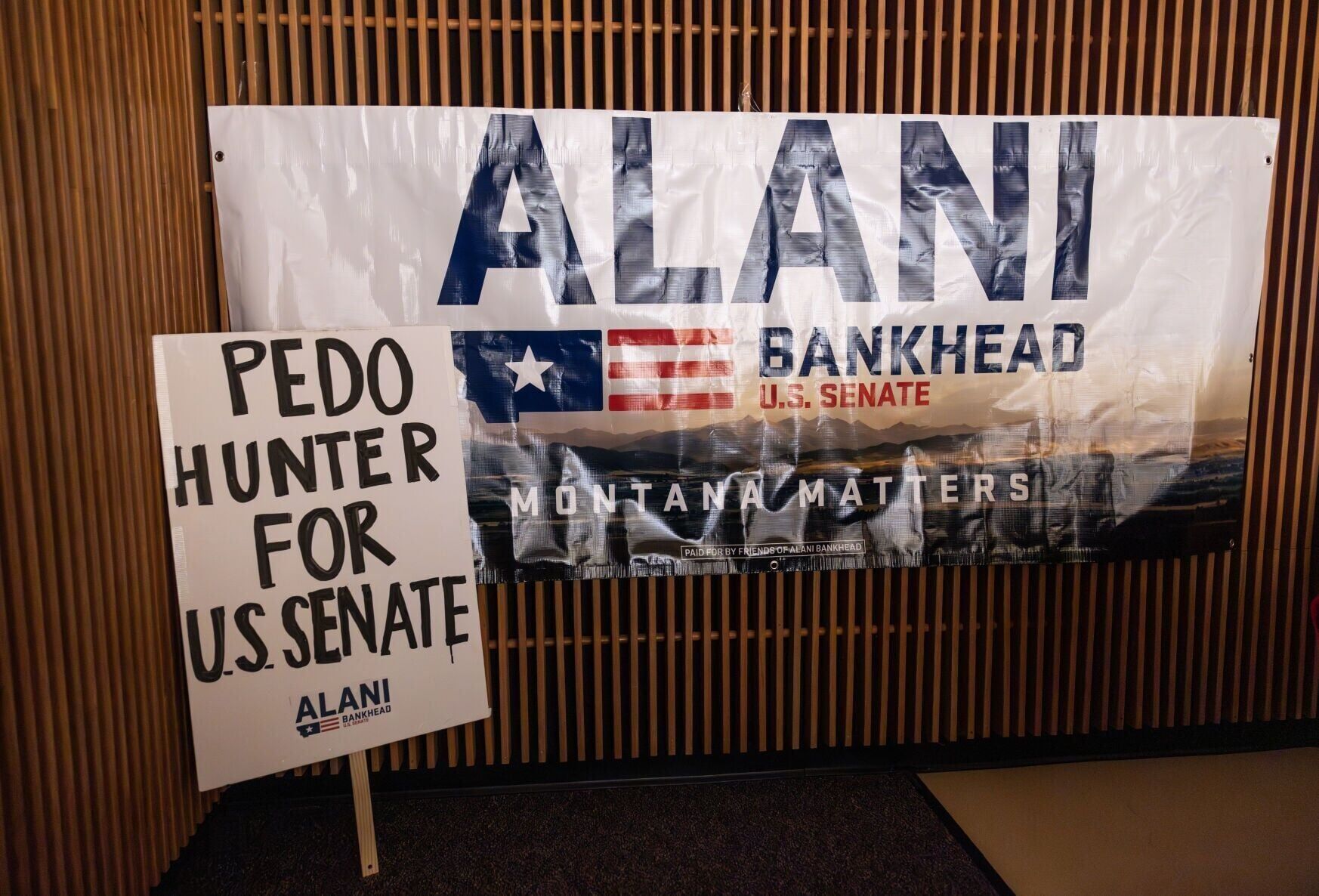
There are five candidates running to be the next Democratic U.S. senator for Montana: Neil; Alani Bankhead, a Pentagon human trafficking expert now living in Helena; Michael Hummert from Helena; Michael Black Wolf, a tribal historic preservation officer from Hays; and Christopher Kehoe, a nonprofit professional from Missoula.
The group fielded a handful of prepared questions about their policy priorities, the first of which asked them whether they would abolish the Immigration and Customs Enforcement law enforcement agency.
Black Wolf said there’s no longer any need for the agency. Neil focused on reforming the immigration system so it’s easier to get citizenship, while Kehoe called ICE agents murderers, but stopped short of saying it should be abolished. Bankhead, whose background includes working with homeland security professionals, said the agency “should be completely redone.”
“They will be held accountable. They will be put in jail. They will be impeached,” Bankhead said about holding people responsible for ICE’s actions, including the two people killed in Minneapolis earlier this year. “At the end of the day, I’m a root cause person. We need immigration reform.”
As would become the norm throughout the night, Hummert, a self-described realist whose top priority is reigning in government spending with a balanced budget amendment, colored outside the lines as compared to his fellow candidates.
“This is not going to be as emotionally satisfying as what Michael just told you,” he said. “We need ICE, whether you like ICE or not. That’s not the problem. It’s the leadership that’s the problem.”
Asked about their positions on data centers, the physical plants responsible for powering artificial intelligence and a salient political wedge issue this election cycle, most candidates supported a moratorium, at least until there are stronger guardrails imposed and more understanding about long term impact.
“And I thought this was going to be a hard question,” Black Wolf said. “Very simple. It’s a hard no, absolutely zero.”
Hummert said it’s a state issue, not one that a federal lawmaker should be wading into.
Central to the night’s discussion was what it means to be a Democrat and how each candidate would best represent Montana values if sent to Washington, D.C.
“I’m a Montanan, and I’m a Democrat because I’m a woman, and the Democrats are the party that respect women,” Neill said to applause. “My policies and platform reflect Montanans and what I’ve heard in the last year-and-a-half.”
Bankhead leaned into her background as an Air Force veteran to show she’d be the kind of Democrat who would work with anyone to get things done.
“I think the point of this November election is for y’all to decide who it is that’s going to best represent you in bridging that gap that has existed for far too long, and getting rid of the label so that we can start to work together,” she said.
Black Wolf said he’s running as a Democrat because the party best reflects his values.
“When I win this nomination, and when I kick the crap out of Alme and Bodnar in November, so badly, when I get to Washington D.C. in January, all these other Democrats are going to want to caucus with me.”
They all agreed that the winner of the primary would need to work hard with and support other Democratic candidates down the ballot this November.
In interviews after the forum, a handful of voters told the Montana State News Bureau they had come to the event undecided and hoping to get more information on candidates.
Lorri Clark, a Billings resident, said affordability and housing were her biggest priorities, having watched costs soar for years. Clark left the night leaning towards Bankhead, who she hadn’t heard of before, because she thought she had the experience in Washington D.C. to get things done without a steep learning curve.
Javan Frinks moved to Yellowstone County about two years ago, and wanted to “kick the tires on these folks” before casting his vote. Frinks said he was still deciding who he’d back, but was leaving feeling optimistic about a Democrat winning the seat — which Daines won in 2020 with 55% of the vote – because of how decisions made by the Trump White House are trickling down to local communities.
Asked if he thinks a Democrat stands a chance, he said, “absolutely.”
The Montana primary is June 2.



Comments ()