
Bodnar’s unconventional Senate campaign takes shape, questions linger about his chances
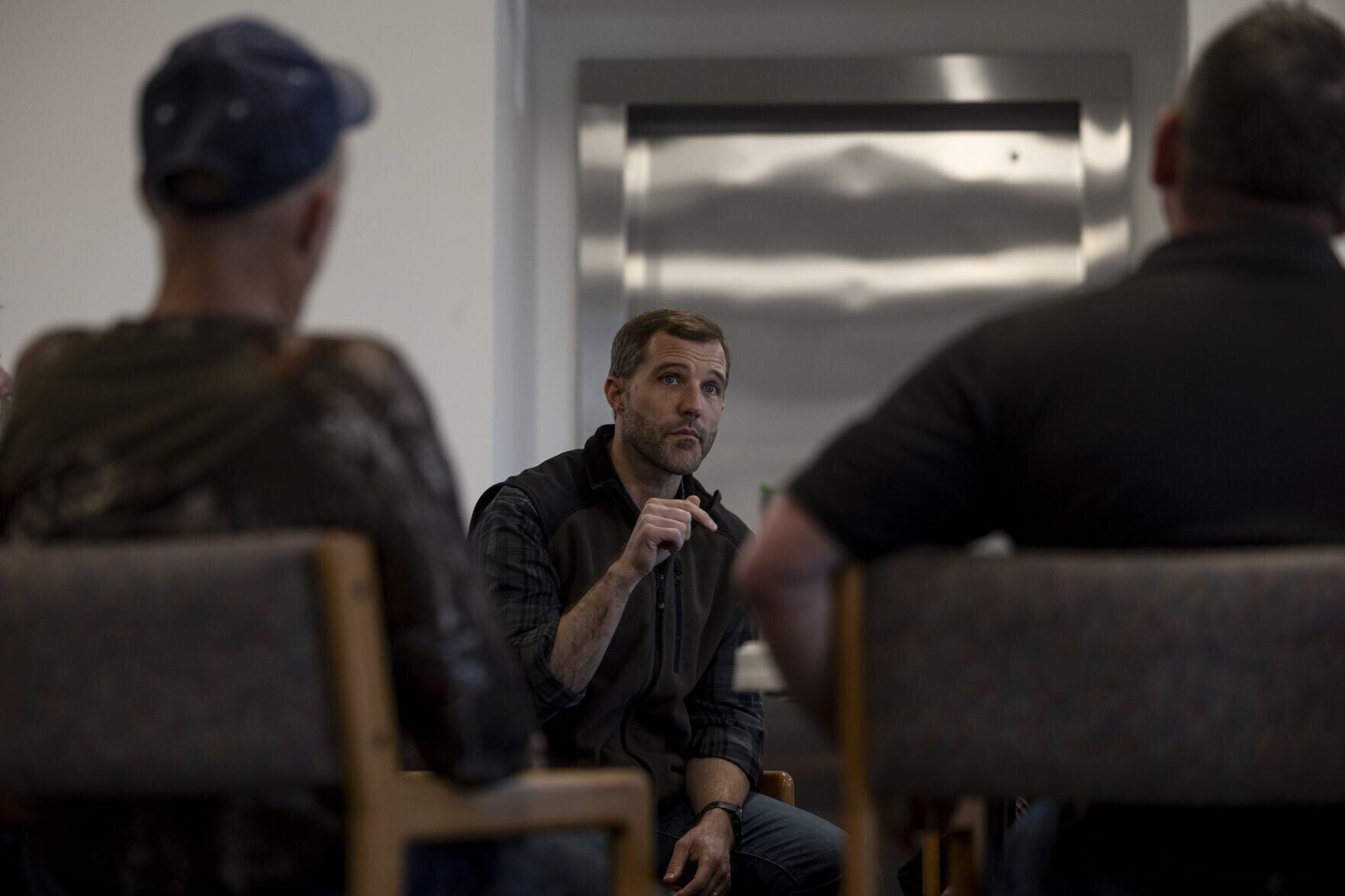
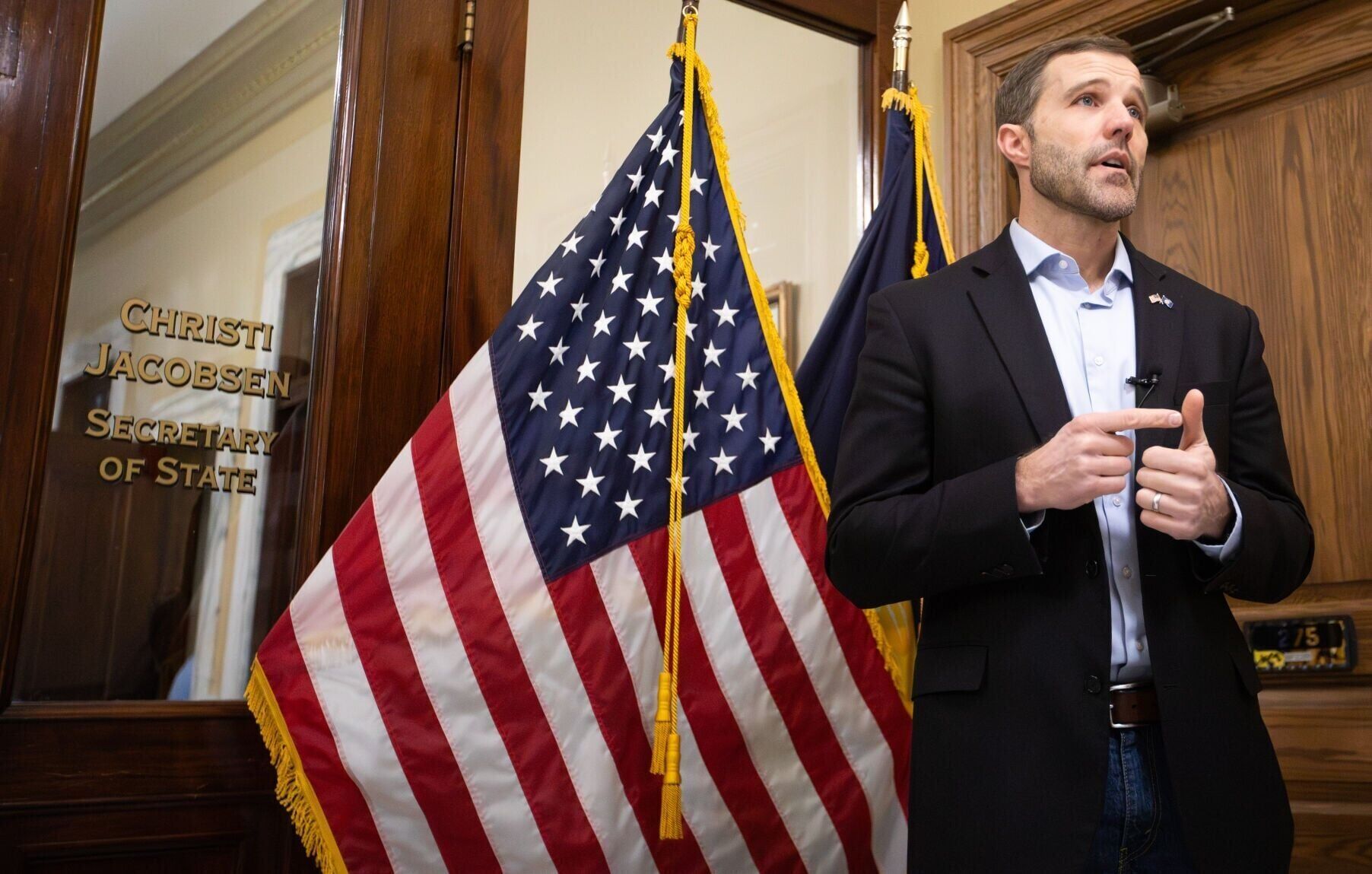
BUTTE – It’s at a dimly lit hotel bar huddled around a table with a dozen fellow veterans that Seth Bodnar, independent candidate for U.S. Senate, lets himself go off script.
Beer in hand, the former Green Beret starts on a story about a four-star Army general’s advice as Bodnar weighed whether to attend Ranger School, the grueling course that prepares soldiers for special operations, following his graduation from West Point.
Bodnar, whose campaign trail persona seldom veers from a carefully crafted playbook, tilts his head, squints one eye and takes on a raspy voice more fitting of a cantankerous Vietnam vet than the polished business executive and higher education administrator who walked into the room an hour before.
“God, this really sucks, but it could be worse. I could be at Ranger School,” Bodnar recalls his mentor quipping. The impression sparks laughs among the group, many of whom have known their own version of a crotchety but esteemed general.
This spontaneous side has rarely shown itself since Bodnar entered the Senate race in March as an independent challenger, a choice met with a clash of national spotlight, ridicule from the Montana Democratic party and attacks from Republicans who see him as a bigger threat to flip the seat than any Democrat.
“I’m running as an independent because I am an independent,” Bodnar insisted in an April interview.
While candidates vying for party nominations are hurtling towards Montana’s June 2 primary, Bodnar faces a different deadline. In less than two weeks, he must submit to the state’s top election official at least 13,327 signatures supporting his candidacy in order to get on the general election ballot.
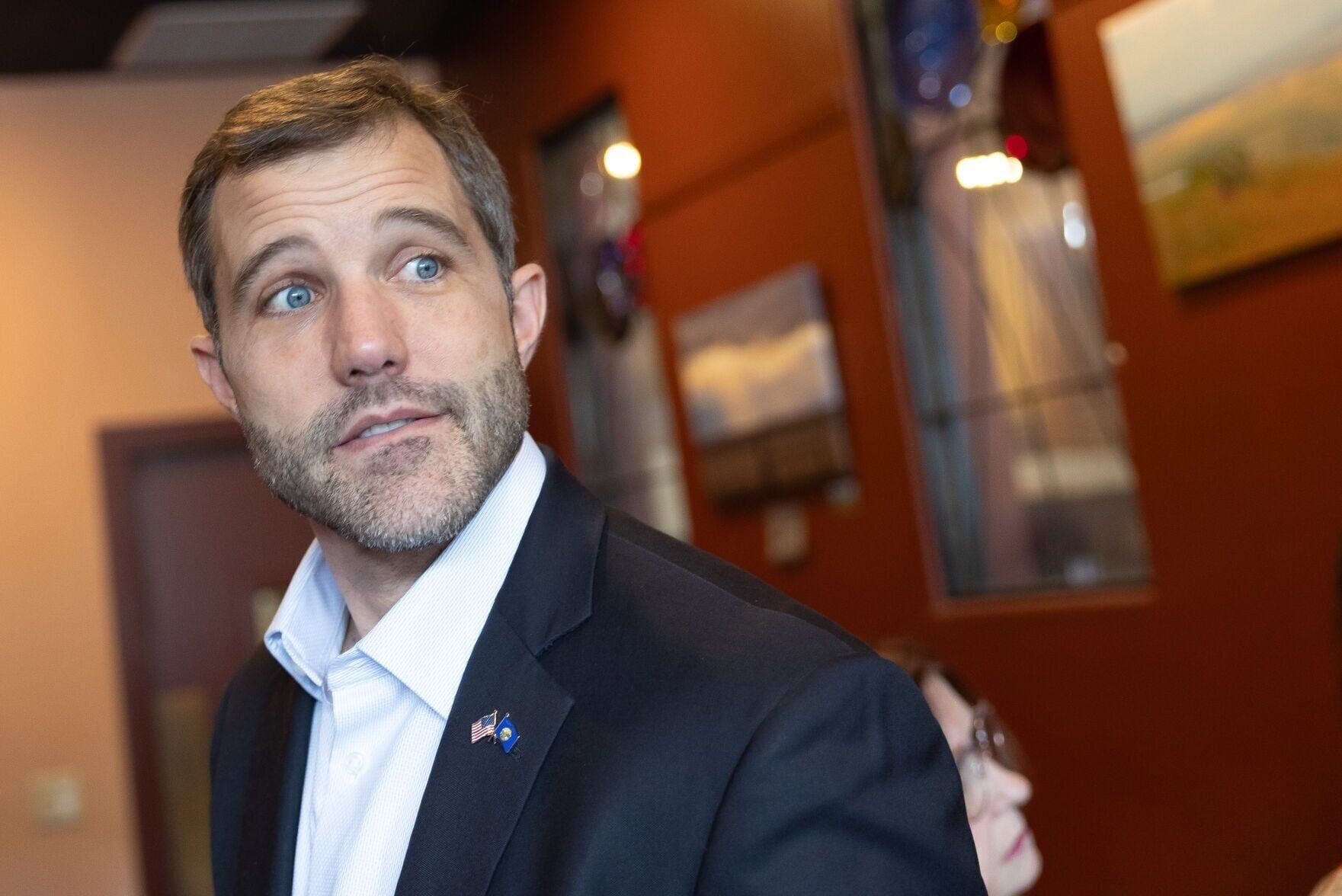
During this stretch, Bodnar has adopted a methodical approach to how he introduces himself to voters, relying on a quiver of prepared responses and shimmying into conversations with impressive discipline his thesis that partisan politics are no longer serving Montanans.
Efforts to control the narrative around this unconventional independent campaign appear so far to be working. Bodnar pulled the largest first-month fundraising haul of any Senate candidate and, according to his campaign, he will comfortably clear the signature threshold.
“Montanans are fired up. We have volunteers across the state working to get Seth on the ballot,” said Abigail Tracy, a campaign spokesperson. “We are on track to pass the required number of signatures to give Montana a real choice in November and send a real Independent voice to Washington.”
The campaign declined to share how many signatures it has collected.
On the trail
As an independent, Bodnar loses out on the campaign infrastructure that political parties bestow upon their candidates. He’s not invited to most forums, can’t tap county central committees to drum up support and doesn't enjoy fundraising or advertising help from the traditional partisan machines.
What’s taken shape in place of those election hallmarks is a quiet ground game.
Yard signs have yet to hit Montana lawns and highways are devoid of Bodnar billboards. On occasion the campaign will post cheeky videos to social media, like one of Bodnar explaining his politics while working out and another of him filling up at a gas station while lamenting the Iran military conflict.
Even signature-gatherers, a mainstay in election years at farmers markets, grocery stores and downtown main streets, have been conspicuously absent from public view until the last couple weeks.
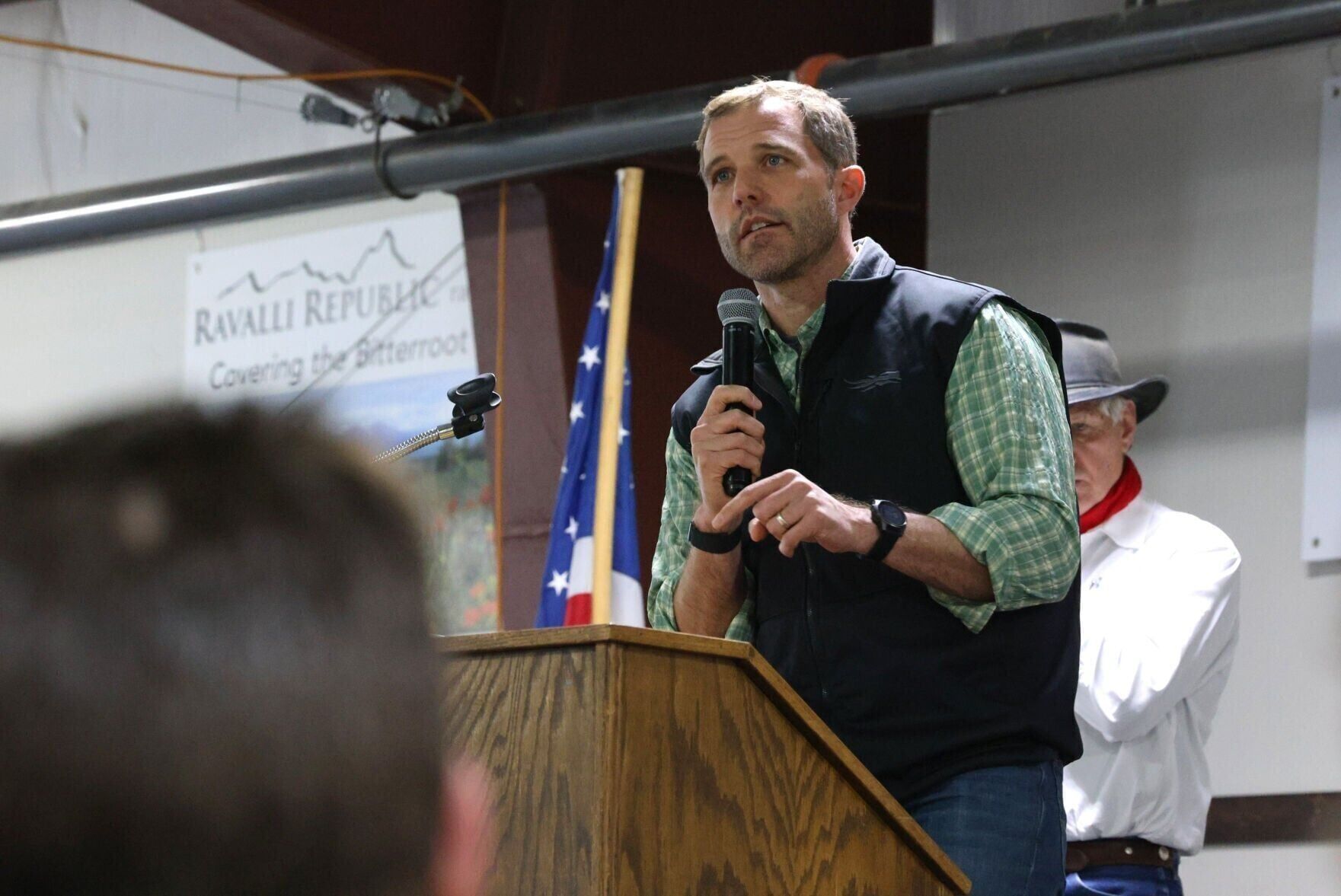
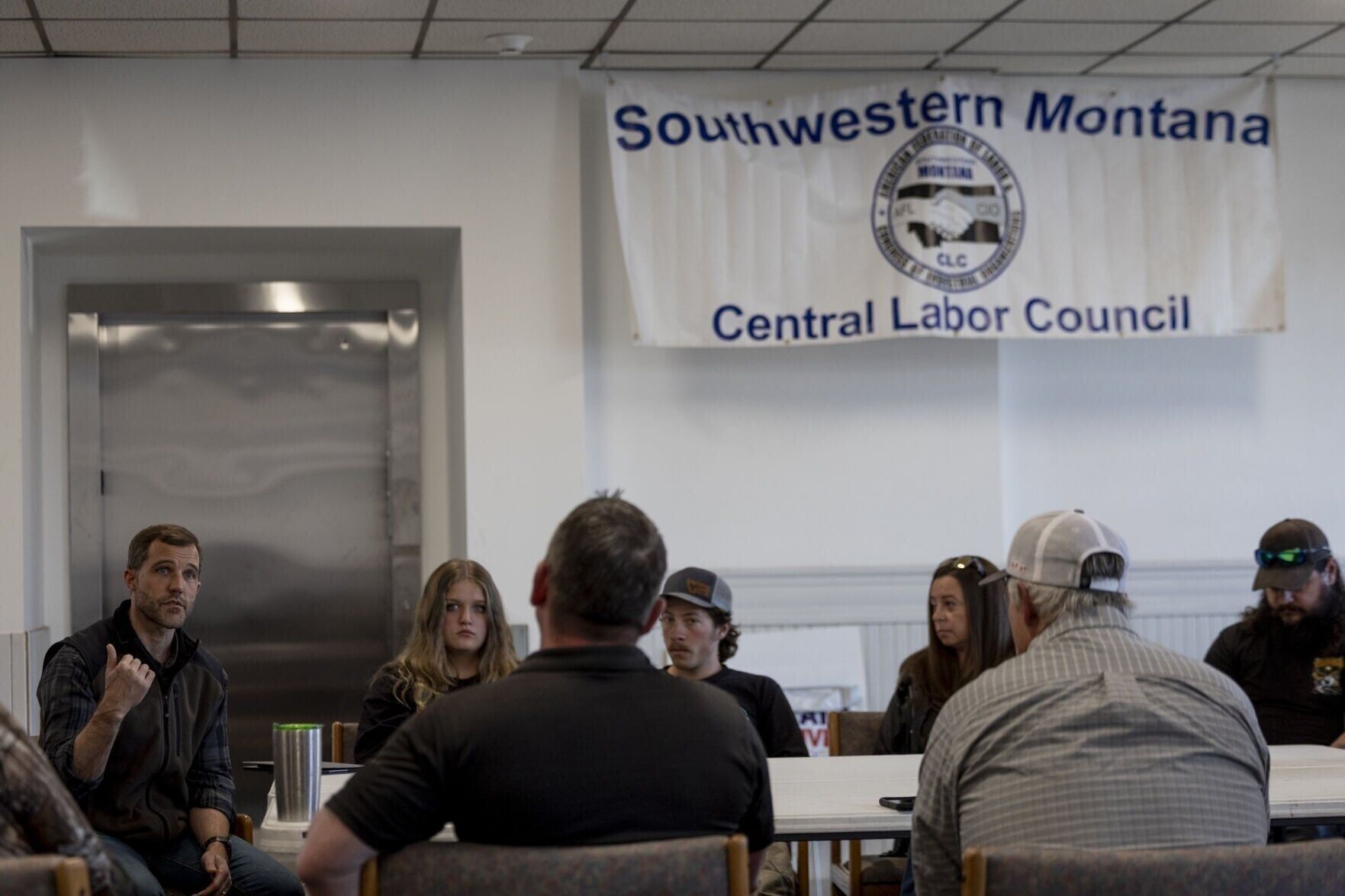
Most of the campaign’s outreach has focused on smaller meetings, a mix of roundtable discussions with interest groups like union leaders or business owners along with meet-and-greets at community hubs. A campaign staffer stands at the door collecting signatures as people leave.
Only a fraction of these events have been advertised to the public. At them all, Bodnar fields questions and tactfully slides his sales pitch into just about every response.
To Butte union leaders in April, Bodnar called himself an “all the above energy guy” when asked about data centers, a descriptor he recycled when pushed by a Kalispell business owner later that month on whether he supports damming the Flathead River.
In Bodnar’s telling, almost any issue can be tied to the failures of two-party politics in Washington, D.C., even if the platitudes leave some wanting for more concrete policy ideas.
Illegal immigration? There’s a “common sense solution” for that. His stance on forever wars? As a veteran, he swore an oath to the Constitution, not a political party. Bodnar’s thoughts on healthcare or the ballooning national debt? A football metaphor comes in handy. Most people live between the 30-yard-lines, but the system is governed by people on the five.
He touts his “Reform Agenda," which includes proposals to ban congressional stock trading, set term and age limits and suspend lawmaker pay during government shutdowns, as proof he wants to take on entrenched interests.
“It’s a really powerful message, but the hard part will be making sure Montanans understand that message,” said Jinnifer Mariman, a Kalispell school board member and Bias Brewing co-owner.
Closer to Bodnar’s life experience, he leans in on veteran's issues. He wants more career pathways for people returning from war and an overhaul to their healthcare system. Suicide prevention should be a top area of investment, he said, and there should be a high bar for deploying troops into conflict.
“It is deeply frustrating to see people who drape themselves in the flag and treat our veterans like suckers,” Bodnar said in April at the Patriotic American Brewery in Evergreen.
The committee question
Bodnar said he won’t be beholden to the party infrastructure that has ground Congress to a halt. He’s pledged to forego caucusing with either Democrats or Republicans, a commitment that also opens him up to criticism that his independent candidacy is all for show.
D.C. operatives point out that political power is embedded in the caucus structure. It’s where the votes are counted and deals are made, and it’s how party leadership doles out committee assignments, which in turn gives lawmakers more influence on legislation.
That makes shirking both caucuses a risky choice, one that could land a senator on the sidelines and weaken their ability to advance priorities for constituents. Even high-profile independents like Sens. Bernie Sanders from Vermont and Angus King from Maine have ultimately caucused with a party.
“As to whether it’s really possible in practice to not caucus with either party, that’s not something we’ve seen in modern times,” said Kal Munis, a political scientist at Auburn University. “Bodnar, I think, is attempting to leverage the fact that the average American knows very little about our institutional arrangements, but party leaders hold a tremendous amount of power in Congress.”
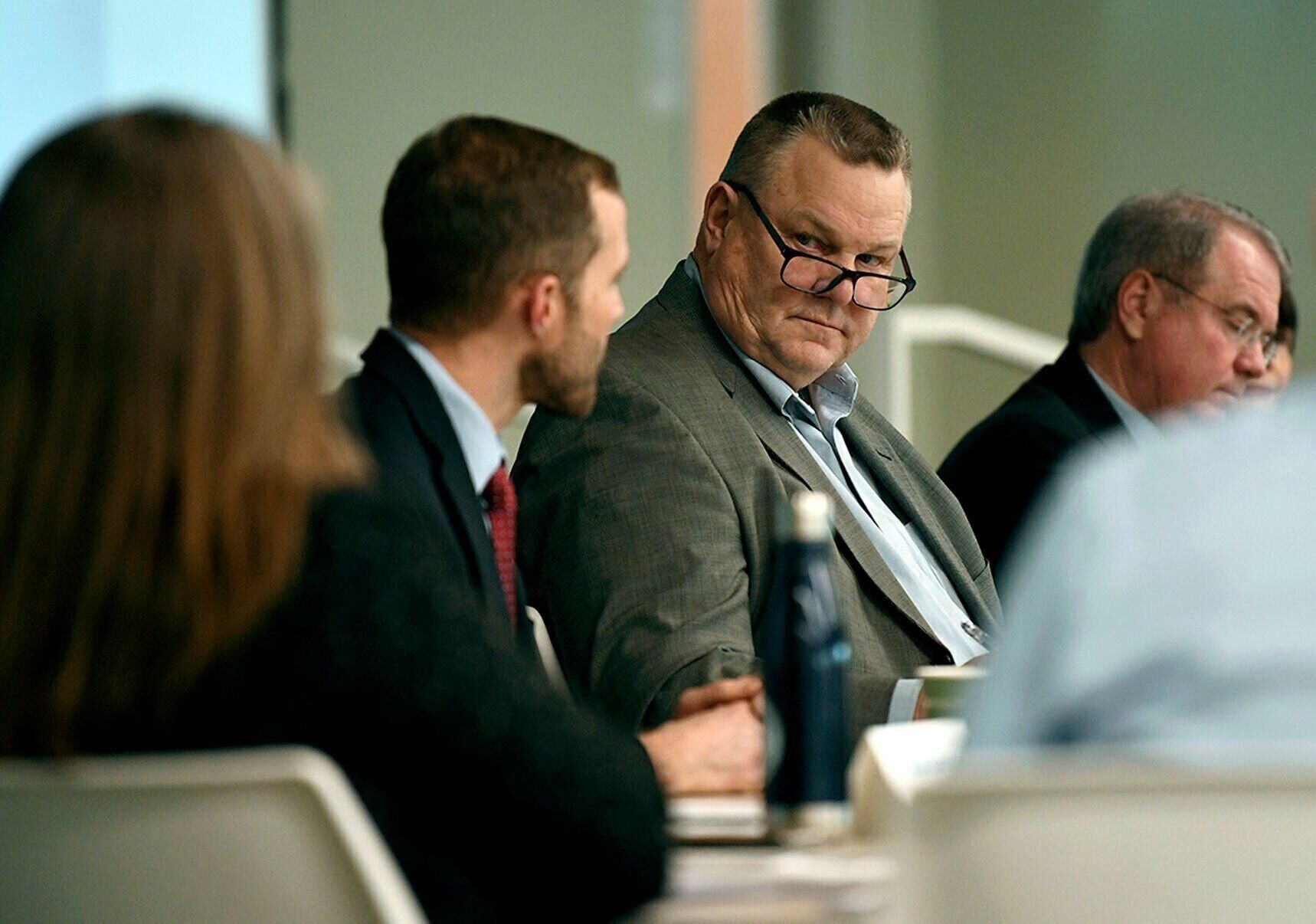
Montana’s senators have a recent track record of influential committee assignments, Republican Sen. Steve Daines on Finance and Claims and former Democratic Sen. Jon Tester as chair of Veterans Affairs. Both have touted wins for Montanans through those roles.
Bodnar insists there is a strategy and that in a closely divided Senate, coalitions will be clamoring for his vote, setting him up to negotiate for meaningful committee placements without allying with a party.
Challenged by a Kalispell business owner last month on whether this approach has real legs, Bodnar was resolute: “Now, your point, I’m not dismissing it out of hand. This is new, right? It's hard, it's challenging. But what we have right now is not working.”
The backdrop
Arguably the greatest boon to the Bodnar project came as a surprise: the last-minute exit of Daines to pave the way for Trump-appointed U.S. Attorney Kurt Alme as his replacement.
Bodnar seized on the maneuver with a hard-hitting critique of the system he’s running against.
“This is the disgusting arrogance of Washington politicians and their party bosses who trade power back and forth like candy while Montanans are crushed under higher costs and fewer opportunities,” Bodnar said in a statement that same night.
To win the Senate seat, still forecasted as heavily favoring Republicans, Bodnar will need to capture crossover voters from both parties disillusioned with the status quo.
Rob Saldin, a political scientist at the University of Montana, acknowledges that the national environment — characterized by declining favorability for Trump and high prices — couldn’t be any better primed for a disruptor.
Taking advantage of that moment is difficult enough in Montana, where the GOP has a firm grip on statewide and federal offices, and it’s even more challenging for Bodnar, whose candidacy has been mired in conspiracies that he’s a Democrat in disguise with a campaign staff that includes multiple former Democratic operatives. Some of that suspicion can also be credited to a leaked text Tester sent through Democratic circles that was critical of his own party’s candidates but supportive of Bodnar.
Montana Democrats, meanwhile, refuse to be dragged along by anyone but a Democrat.
“To have any chance, I think you have to consolidate the non-Republican vote,” Saldin said. “The biggest problem right now for Bodnar is that the Democratic party doesn’t seem to be interested in going along with that plan, and I just don’t see how the math works if there isn’t some resolution to that issue.”
Gathering enough signatures to qualify for the November ballot as an independent is one thing. Turning the Bodnar-curious into supporters at the ballot box is another.
“I have a hard time thinking that Bodnar is going to be able to peel away a significant chunk of the Republican vote,” Saldin continued. “Maybe a little but it seems to me what he really needs to do is basically win all of the independents, and basically all of the Democrats, and even then it’s tough.”
But at the low-lit bar in Butte last month, there was a glimmer of what the Bodnar camp hopes to prove: that even with all the curated messaging and painstaking discipline needed in an independent campaign, their candidate is for real.
After the hour-long roundtable in Butte, Mark Gollinger, a veteran who served in Iraq, Afghanistan and Operation Desert Shield, said he’s historically voted more Republican, but was impressed by Bodnar and how he “doesn’t come off like a polished politician.”
“I’m definitely leaning towards him now,” Gollinger said.



Comments ()