
Bozeman officials pass codes improving protections for local wetlands
In an effort to strengthen protection for local wetlands, the Bozeman City Commission passed a set of development codes last week increasing the minimum buffer between wetlands and developments from 10 feet to 25.
The legislation was passed Sept. 9 in response to the U.S. Supreme Court’s 2023 decision to remove protections for wetlands not connected to a body of water. A wetland is an area where water covers the soil for most or all of the year, according to the EPA.
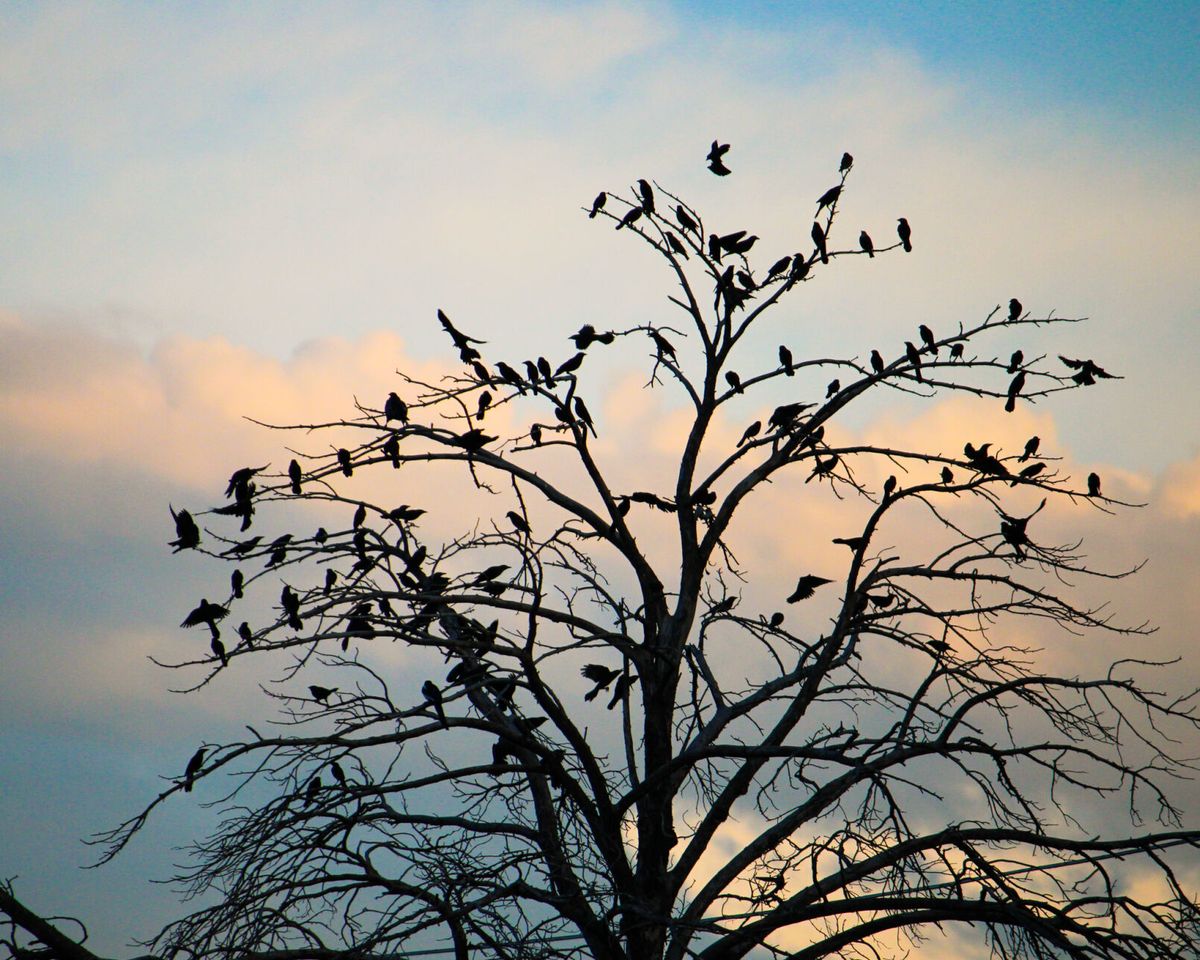
The effort to improve the wetland codes was supported, in part, by the Sacajawea Audubon Society (SAS), an organization dedicated to promoting interest in birds and conserving the natural environment. SAS promotes wetland conservation through education, advocacy and the enjoyment of the natural world, according to its website.
One acre of wetlands can store approximately one million gallons of water, according to SAS Treasurer Loreene Reid. She said this water is released into water systems during droughts to help sustain aquatic life. Additionally, enlarging and preserving wetlands provides more water availability during periods of drought.
Reid said wetlands can also clean water more effectively than any man-made system. “It’s free,” she said. “You’re not building a facility that’s constantly having to be monitored.”
Last year, Bozeman lost 10 acres of wetland due to development, according to Reid. “We’re losing wetlands at an alarming rate,” she said. More developments are being built every year to support the growing population of Bozeman, according to the city’s website.
“The codes that were passed last Tuesday were stronger codes than have ever been passed in Montana,” Reid said. “That’s not to say Bozeman doesn’t need to go a little bit further — they do.”
In addition to promoting policy changes, SAS works to increase wetland acreage. In 2018, SAS was donated 32 acres of wetlands that eventually became the Indreland Audubon Wetland Preserve, according to SAS’s website.
The preserve is in downtown Bozeman and open to the public. According to Reid, SAS invites visitors to explore the preserve and appreciate its natural beauty while learning more about wetland conservation.
The Indreland Audubon Wetland Preserve is not the only wetland that is affected by the new codes. “[City commissioners] just annexed in a huge piece of property to the west that has a ton of wetlands on it,” Reid said. The recent annexation is a 164-acre property west of Cottonwood Road, according to the KULR8 network.
Reid said that the new codes are helpful, but not enough to fully protect the new wetlands. “We need to get those codes even stronger. We need to be able to protect those wetlands and our water systems,” she said.
Another important aspect of wetland conservation is the establishment of mitigation banks. Mitigation banks function similarly to actual banks; developers pay mitigation banks to gain clearance to destroy wetlands, according to the SAS website.
The mitigation banks then use that money to rebuild the wetlands elsewhere. This process is also known as no net loss Reid said. “If you destroy wetlands, you also have to recreate them.”
According to Reid, SAS wants people to continue learning about wetlands and local policies that impact them, according to Reid.
“If we can focus on protecting watersheds to [their] best, we can advance our mission and how waters are treated across the state of Montana,” she said.
To learn more about mitigation banks or SAS, visit https://bozemanwetlands.org/WP/.

Comments ()