
'Bridge the gap': County breaks ground on 'Hidden Creek' affordable housing development
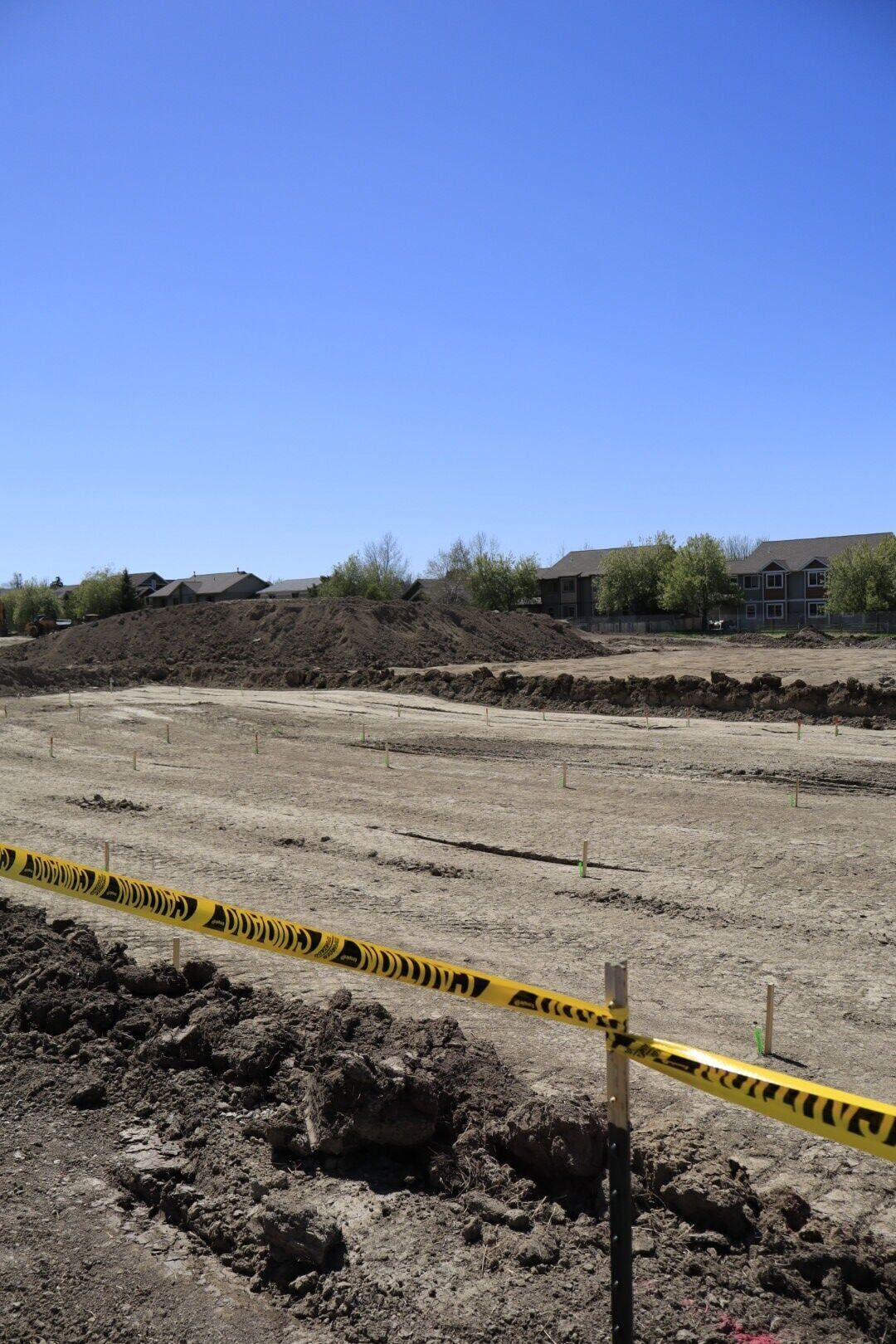
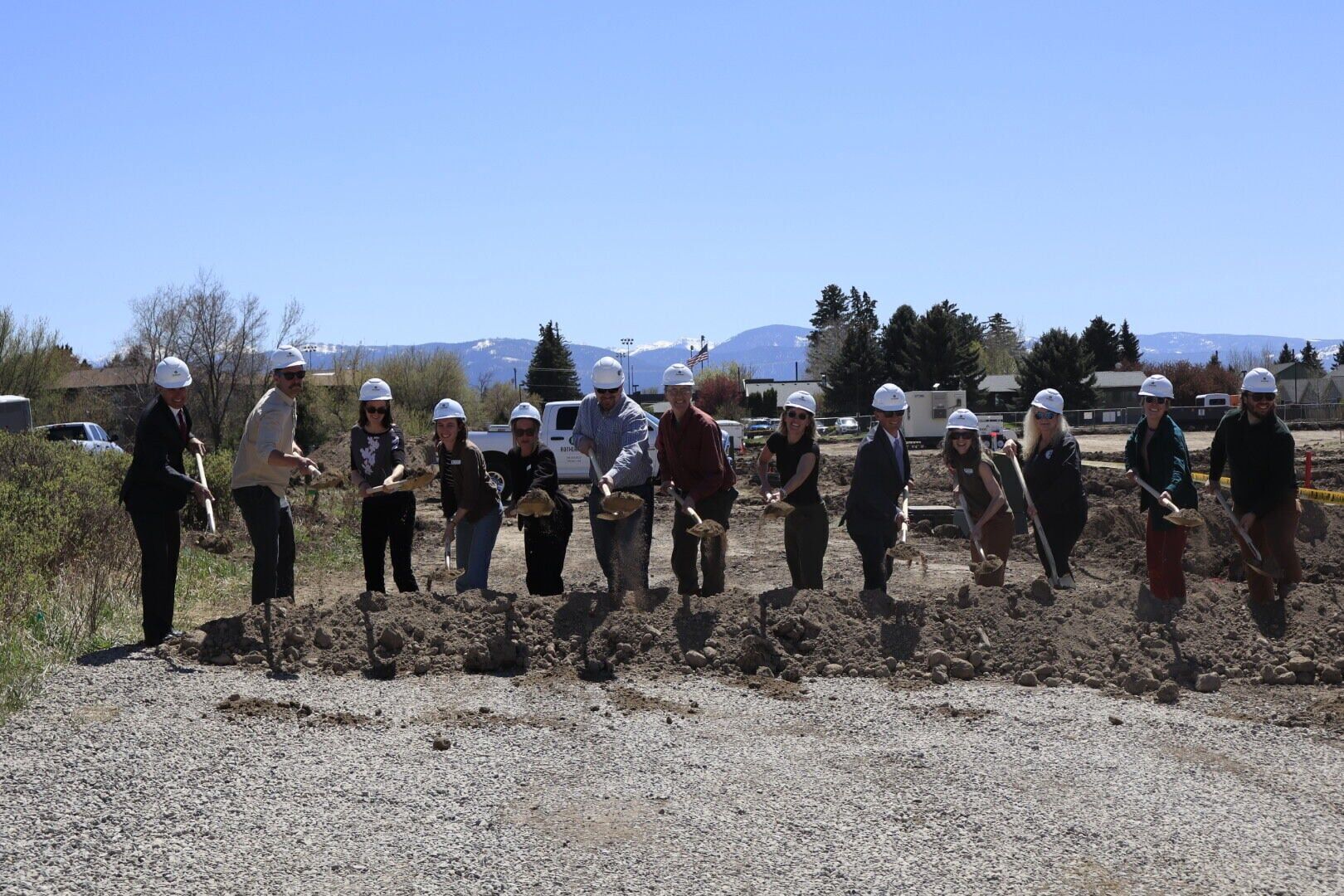
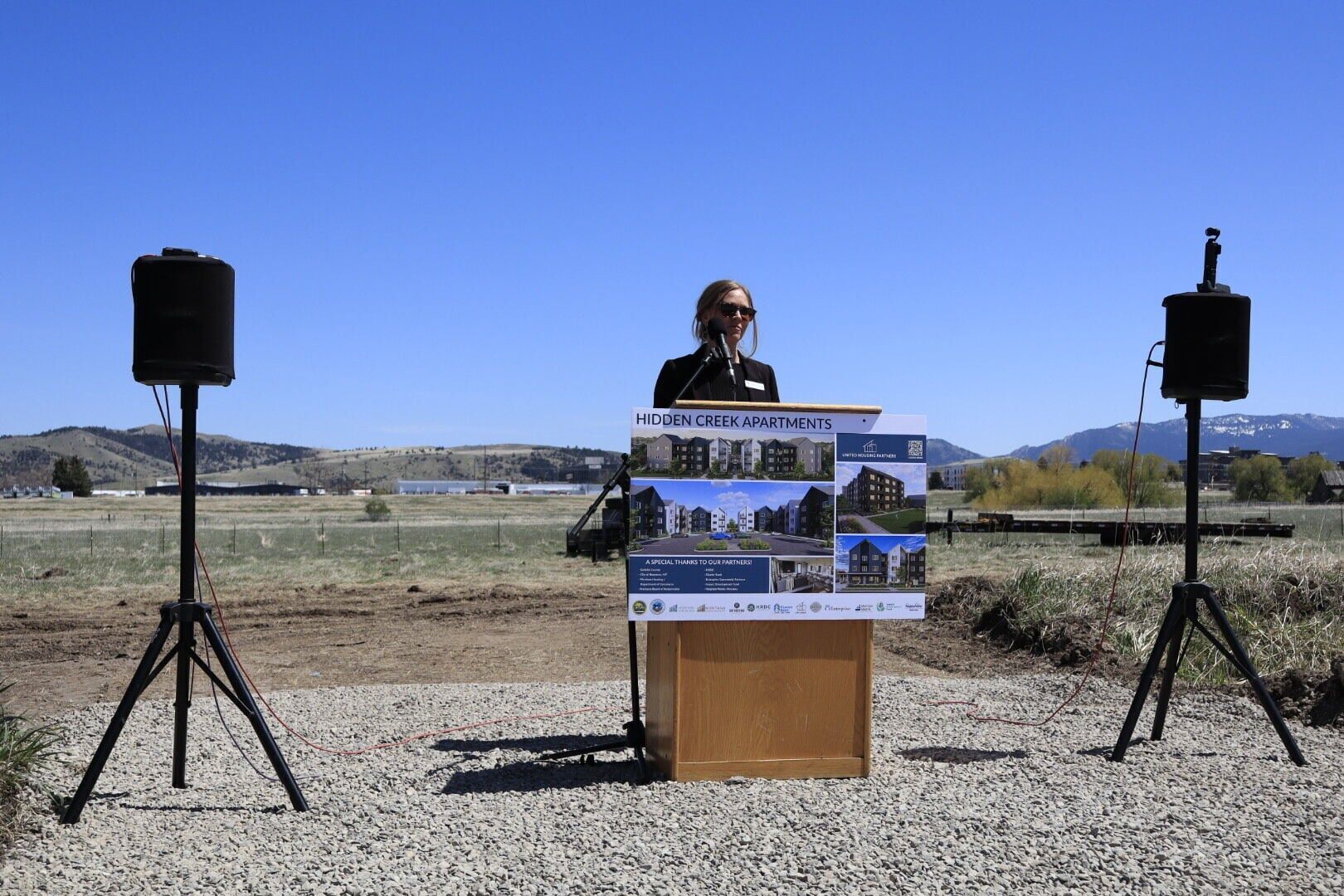
The official groundbreaking for Bozeman’s new Hidden Creek Apartments, a new low-income housing development, took place last week.
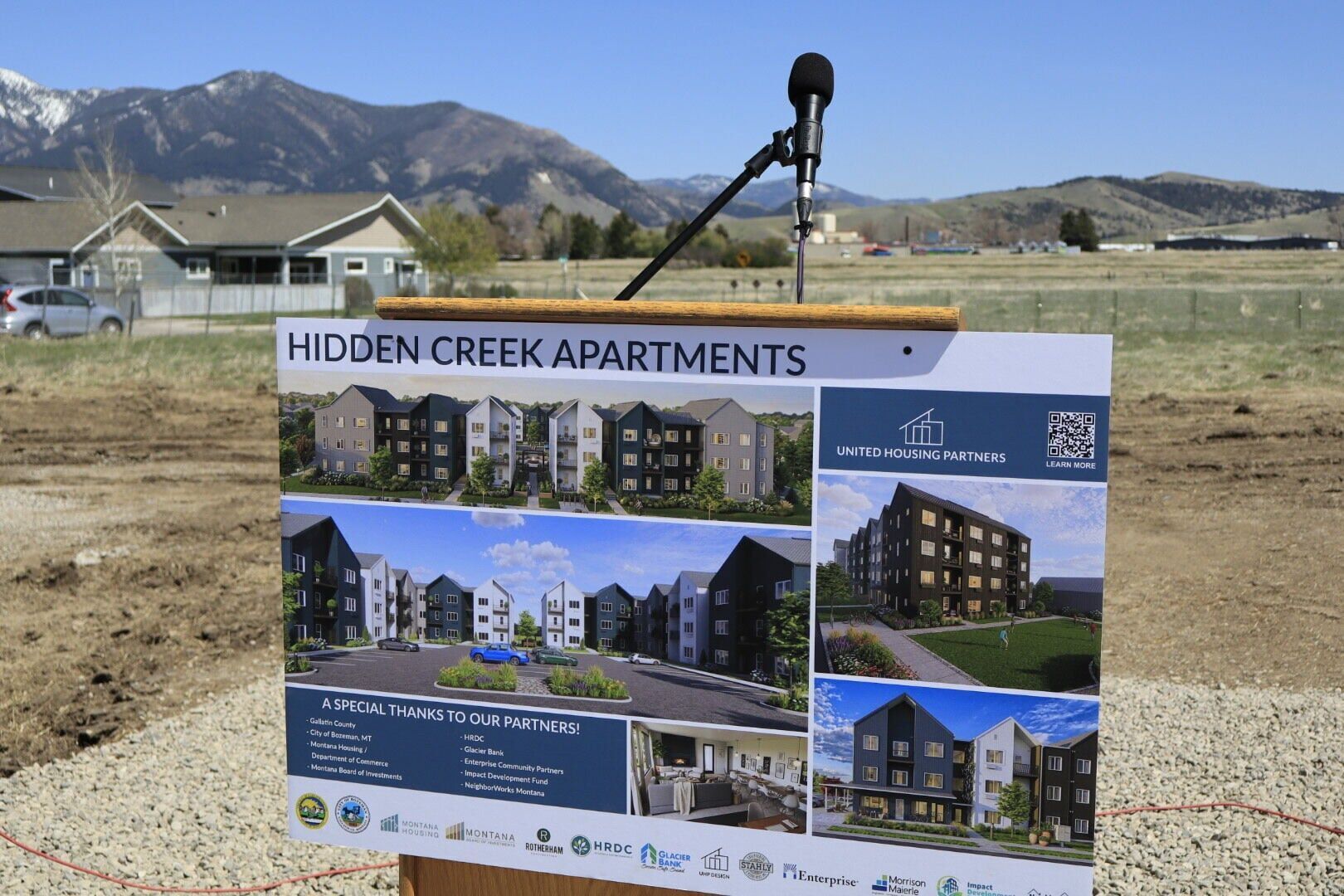
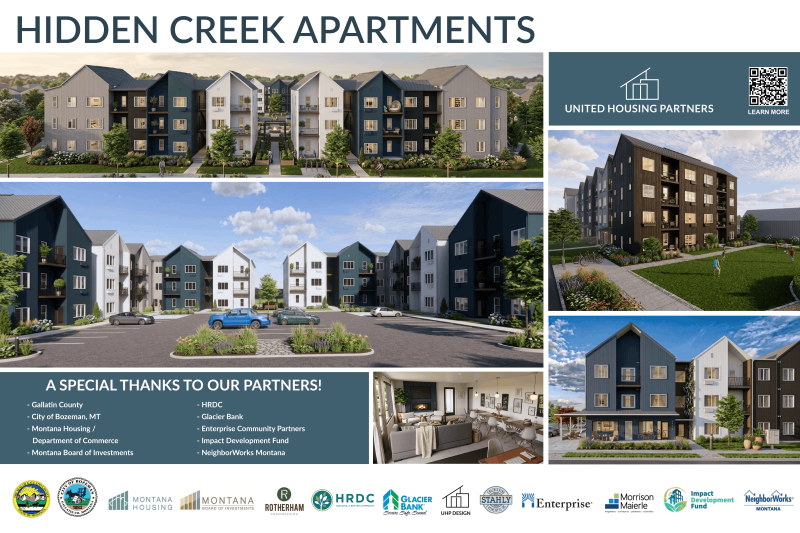
The housing development will be located between Gallatin County Rest Home and Oak Meadows Park, on Juniper Street, on a five-acre parcel owned by the county.
The development is a partnership between Gallatin County, the city of Bozeman, United Housing Partners LLC (UHP), and Human Resource Development Council (HRDC). It will accept LIHTC (Low Income Housing Tax Credits) and have 182 units available to tenants earning 30%, 60%, and 70% of Area Median Income (AMI).
There will be four buildings with three floors and one building with four floors and an elevator.
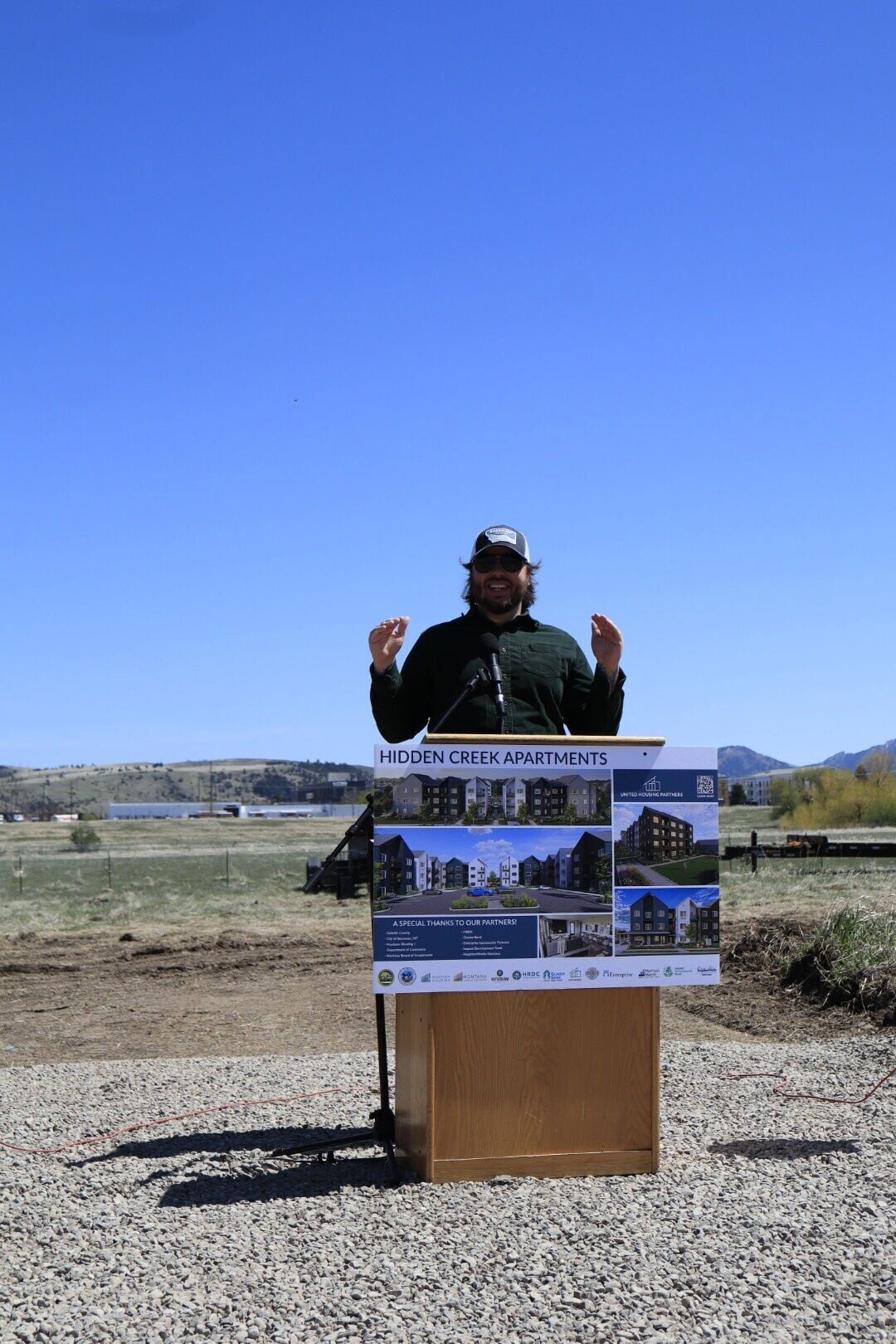
“It is hard to overstate what an impact that will have in this community,” Mayor Joey Morrison said of the 40 units available to residents who make 30% of AMI.
These units will have project-based vouchers through the Montana Department of Commerce and Montana Housing.
Morrison also spoke about how he wants Bozeman workers to be able to stay and raise a family here.
“Units like this, to me, are truly an investment in public health and an investment in public safety,” he said.
The Montana Board of Housing allocated $6.5 million to Hidden Creek for 20 affordable housing units. The city put forth $2 million in Gallatin Impact funds toward the development and Gallatin County contributed $2.46 million in American Rescue Plan Act (ARPA) funds. United Housing Partners helped raise money from 12 funding sources.
Eventually, there will be a community land trust with nine equity-restricted houses.
Seth O’Connell, a real estate developer at United Housing Partners, said this project was first discussed in 2021, with the rezoning of the nearby Gallatin County Rest Home.
“We are excited to work with this team, and we are confident that they are going to knock this project out of the park,” he said in his introductory remarks.
United Housing Project joined the venture in the summer of 2023.
“We see more than 5,000 families each year show up who don’t have any food, can’t pay for their medications, and can’t pay their utility bill because they put their entire paycheck to their rent so they wouldn’t be sleeping in their car,” said Heather Grenier, HRDC’s chief executive officer.
Grenier said that it’s been estimated that to afford to live here a person needs a household income of just over $100,000. But 30% of Bozeman’s job industry is in entertainment, art, food, food service, recreation and accommodation, which pays closer to $30,000 to $50,000 per year.
“This helps bridge the gap. It makes homes affordable, so that families that work here can also live here,” Grenier said.



Comments ()