
Case Ranch: $4.8M deal protects 2,300-acre wildlife hotspot east of Missoula
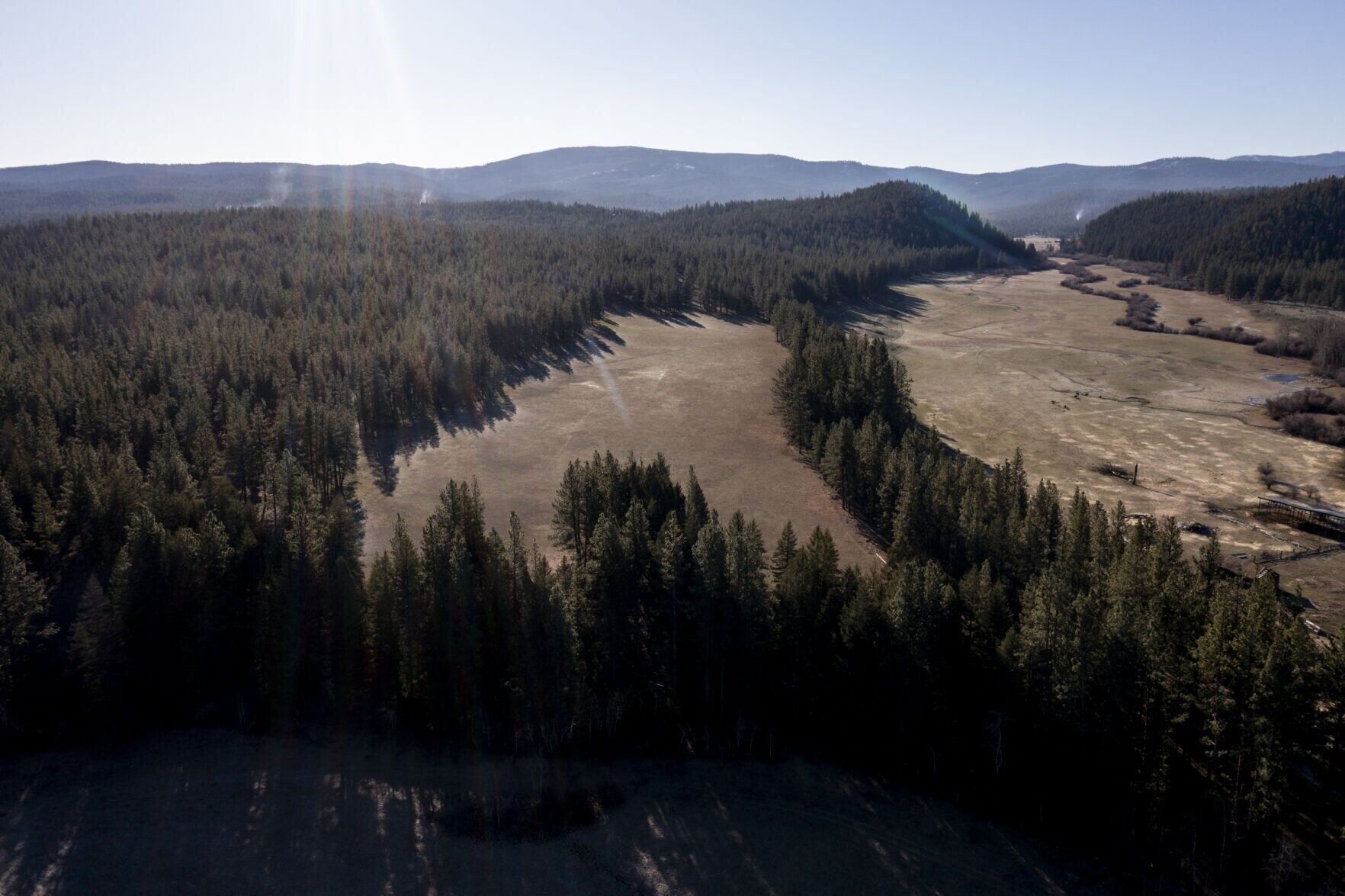
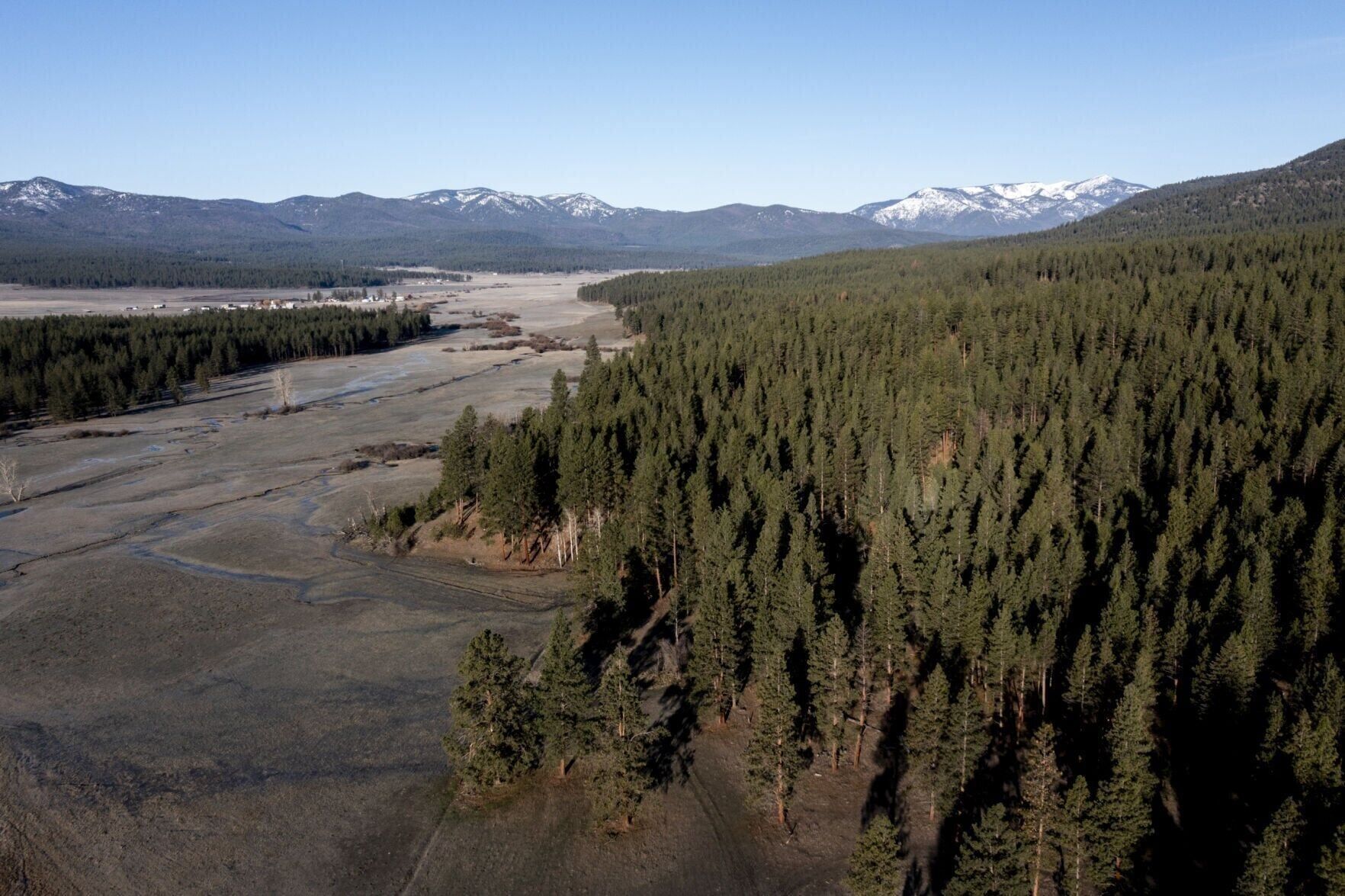
POTOMAC — Elk lumbered through the hills, springtime bird songs filled the air and sandhill cranes swept across the meadow Friday morning at the Case Ranch east of Missoula, where 2,300 acres of forests, fields and working ranch land are now forever protected from development.
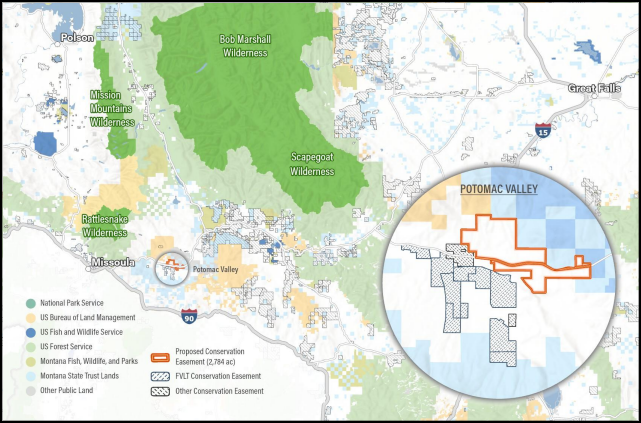
Earlier this month, the seven family members who collectively own the sprawling ranch officially inked a conservation easement to perpetually protect the historic property, according to the Five Valleys Land Trust, which engineered the deal. It adds to decades of similar agreements by the land trust that now collectively span a majority of the Potomac Valley.
“If anyone’s driven along Highway 200, you’ve seen the place,” Five Valleys Project Manager Derek Goble told the Missoulian. “It’s one of those properties and landscapes that helps define the Potomac Valley.”
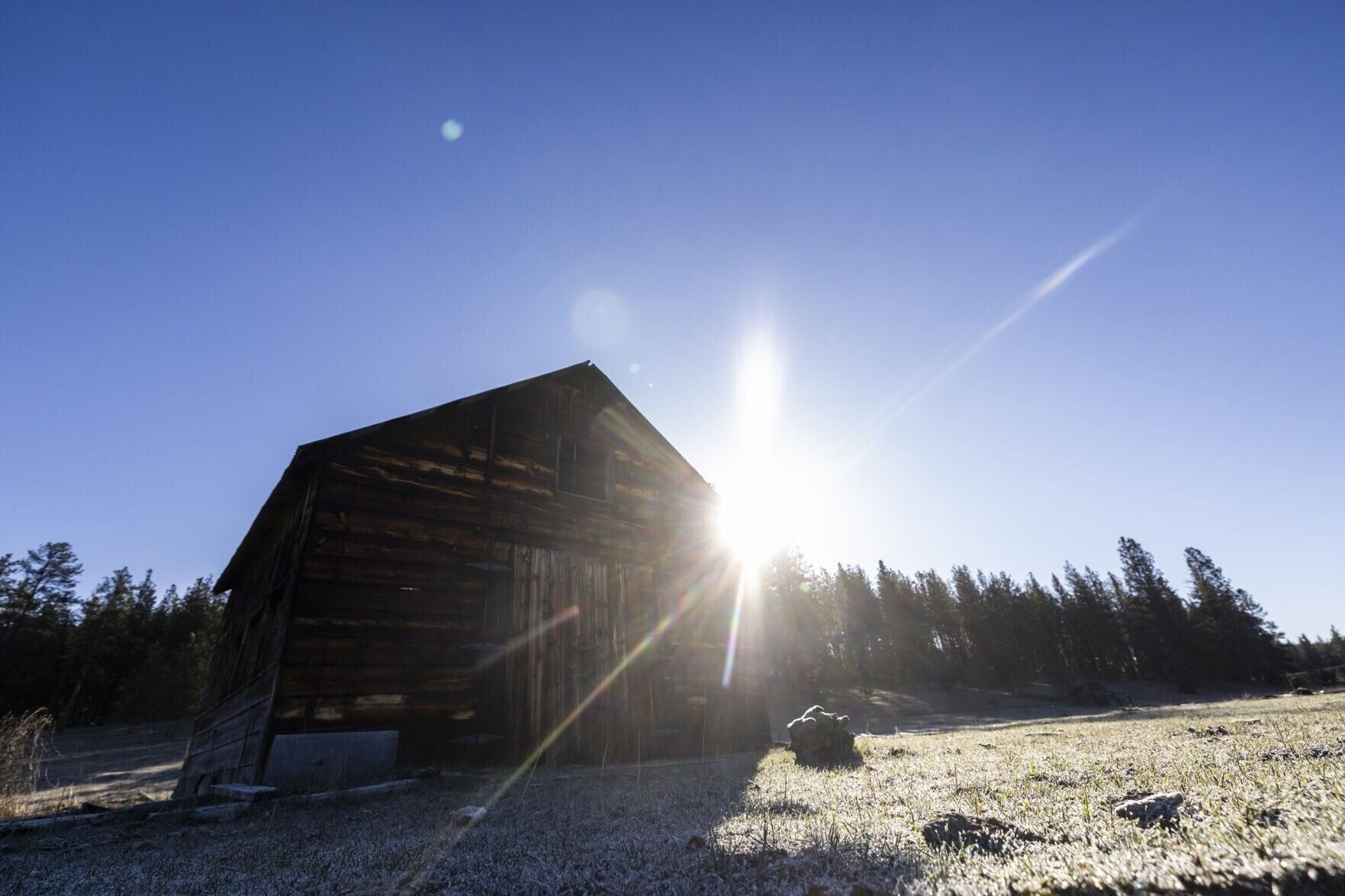
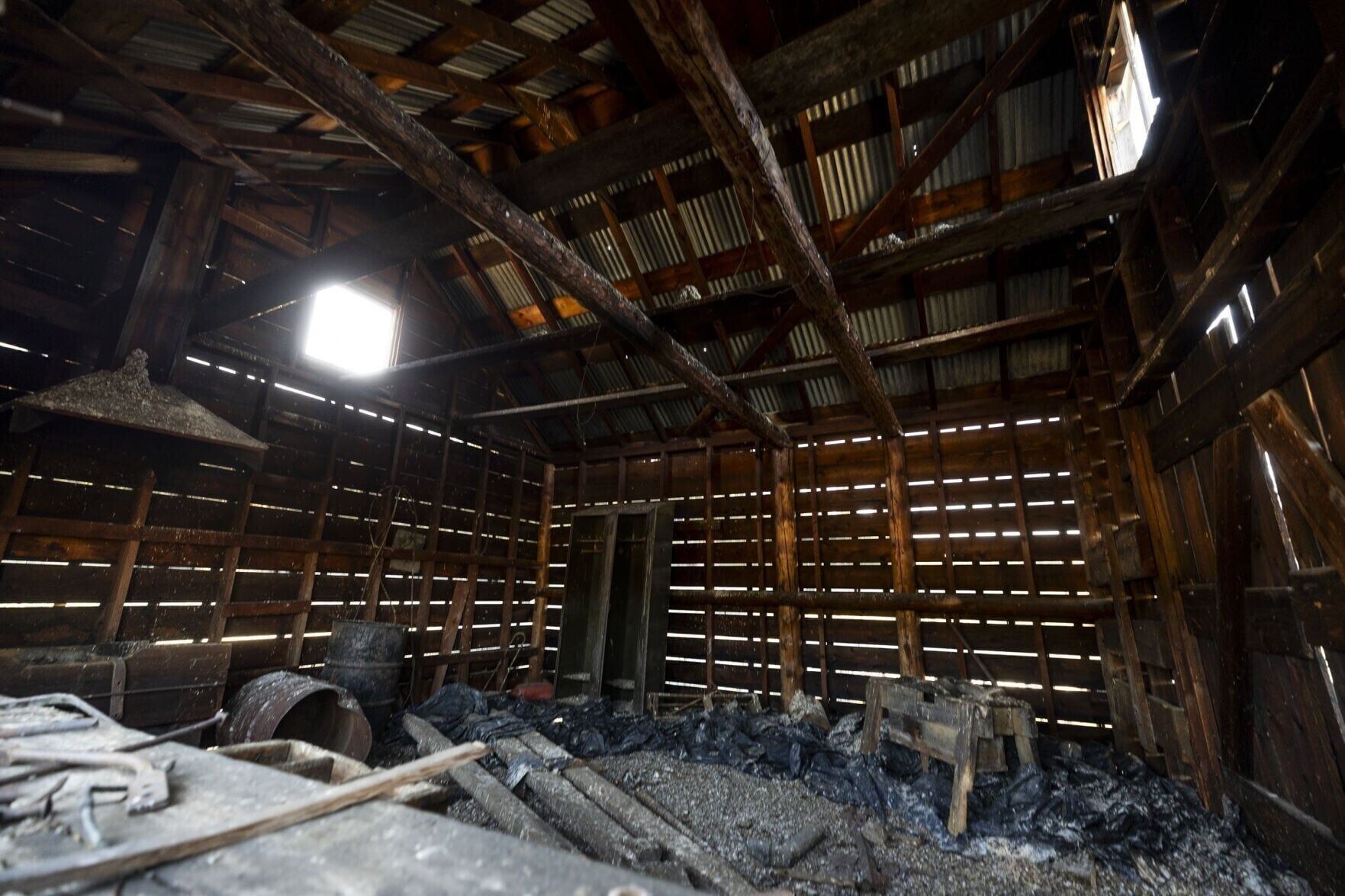
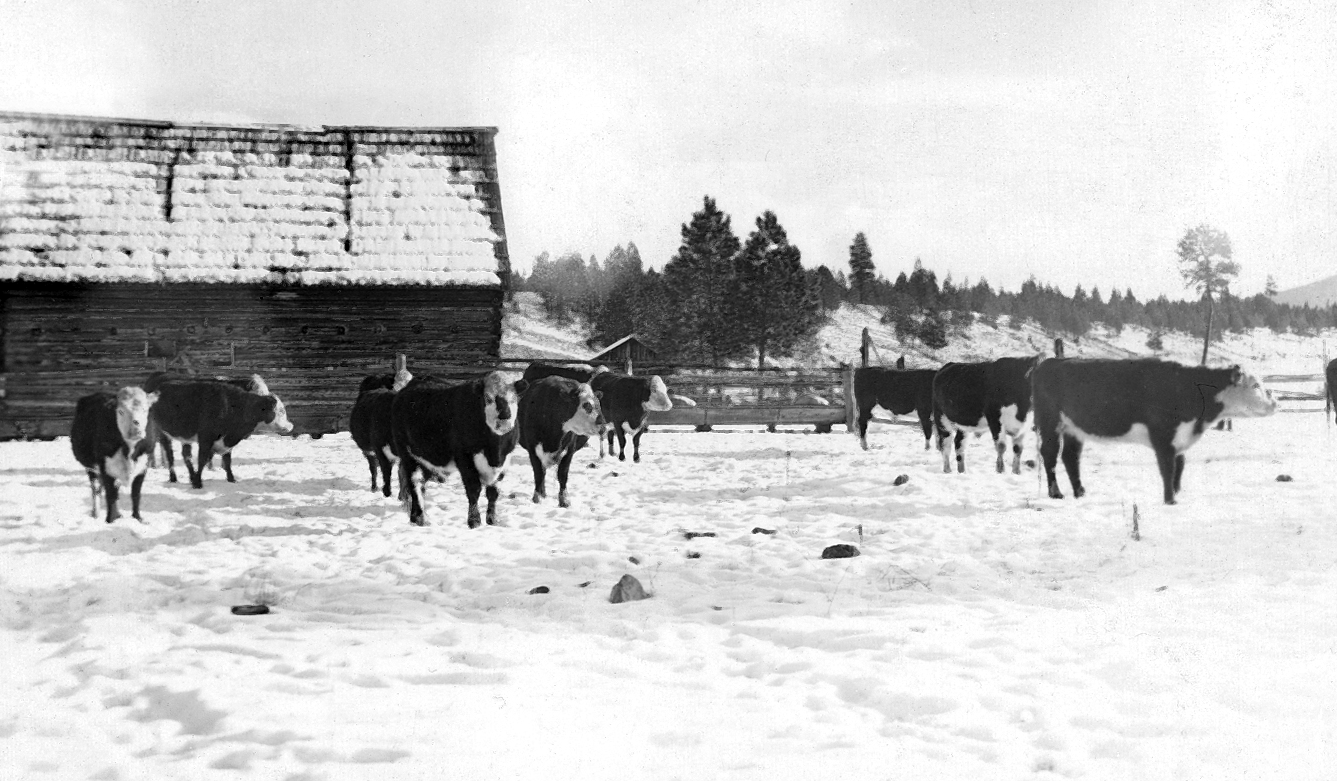
Occupying a broad swath of land on the eastern edge of the valley, the ranch is notable for several aging wooden structures clustered just north of the road. They were built by the Anaconda Co. when it owned the property a century ago, Goble said, to house some 80 teams of mules and horses used to haul clearcut trees the company used to prop up its mineshafts in Butte.
The land trust has been working with the family for two generations, and a $4.8 million combination of grants, private donations and about $1 million from Missoula County’s 2018 open space bond eventually came together to purchase the easement.
Missoula County’s 2024 vote approving its share of the easement funding was the largest payment for a conservation easement to come from the open-space money, according to county spokesperson Allison Franz.
Earlier this year, Montana Fish, Wildlife & Parks officially accepted perpetual management of 1,793 acres of the easement north of Highway 200, where hunters will retain decades-old access during the fall season under the state’s block management program. Three gates along Highway 200 provide that public access, but not outside the fall hunting season.
“Most conservation easements don’t have a public access component,” Goble said. “This was unique in that the landowners felt strongly about having public access on the north side of the highway.”
Importantly for both hunters and wildlife, it also connects to 65,000 acres of public land to the north. Stretching between the highway and the Blackfoot River, that area is a patchwork of land overseen by the U.S. Forest Service, Bureau of Land Management and the state of Montana.
Standing on a wooded hill to the north of the valley, Five Valleys spokesperson Lena Viall noted that in 2021, the first documented grizzly that crossed Interstate 90 from the species’ stronghold around the Bob Marshall Wilderness Complex crossed through the area on its way south to the Garnet Mountains. Biologists working on the bears’ recovery in Montana have long hoped to establish a connection between the region’s grizzlies and those in Yellowstone National Park.
Black bears and moose have also been known to frequent the Case property. And Viall added that native cutthroat trout patrol the waters of Union Creek, which winds through 3 miles of the property and is joined by a spring-fed stream trickling through the large meadow.
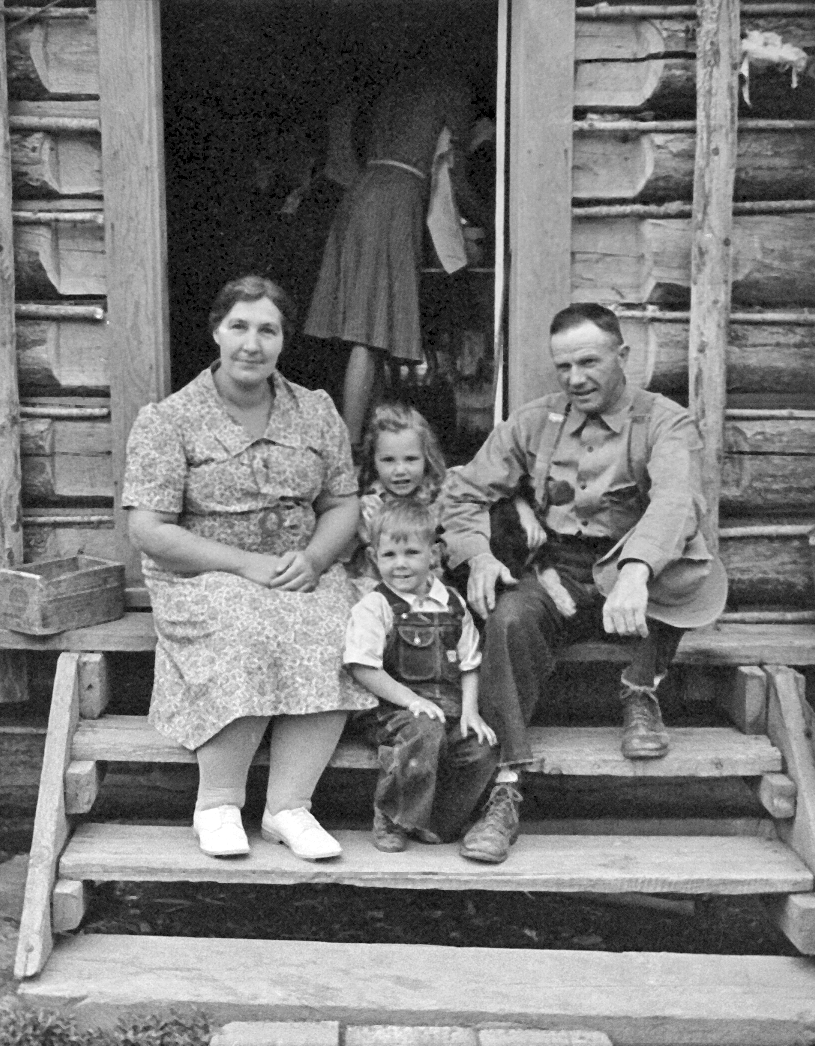
The ranch's origins date to 1932, when Arnold H. and Annabelle Case bought the homestead "and set out to become ranchers," according to Five Valleys.
The conservation agreement doesn’t provide for access to the land south of the highway, where the couple's daughter, Donna Hacker, still lives in a house along the creek. Some portions of the ranch fall outside the easement boundary. Within the easement, the land remains owned by the Case Ranch Co., but going forward it can only be bought and sold as a single piece of land — no subdivisions or real estate development allowed. Activities are mainly restricted to ongoing agricultural use and limited timber management for forest health and wildfire prevention.
Hacker declined to be interviewed, but in a press release announcing the easement she said she hopes the project helps retain Potomac’s character as a tight-knit community of “people that raise cattle, make hay.”
“I hope more kids can have the childhood that I had, which was so precious,” she said. “To be raised on a farm is not common anymore. I hope that many more little kids get to run barefoot and have their chickens.”



Comments ()