
Cashing in: Across Montana, mobile home courts fall prey to out-of-state investors
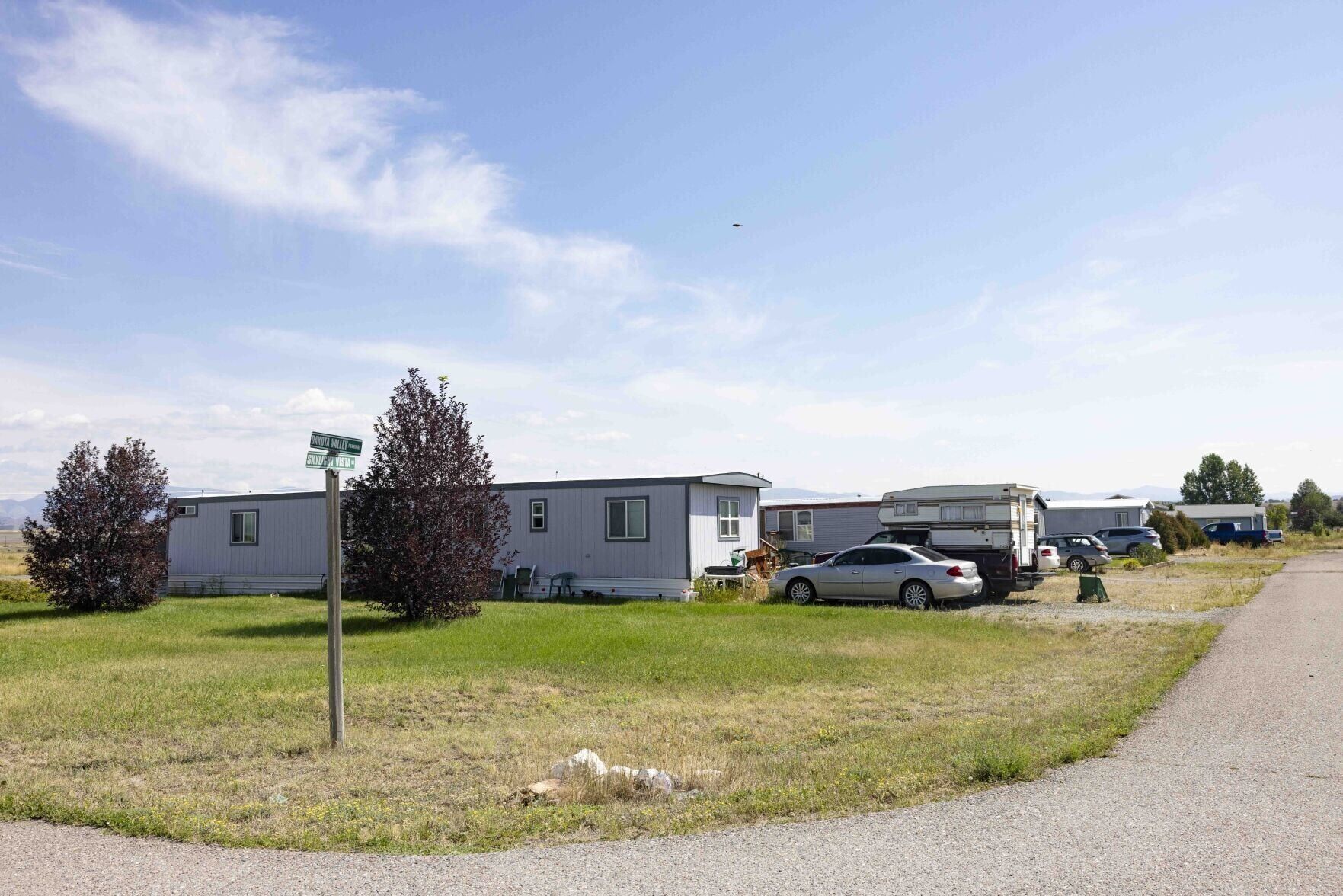
If you live in a mobile home community in Montana, you could easily come home one day to a piece of mail informing you that the land underneath your home has been sold.
And your new landlord is an out-of-state, private equity company looking to maximize profits for investors.
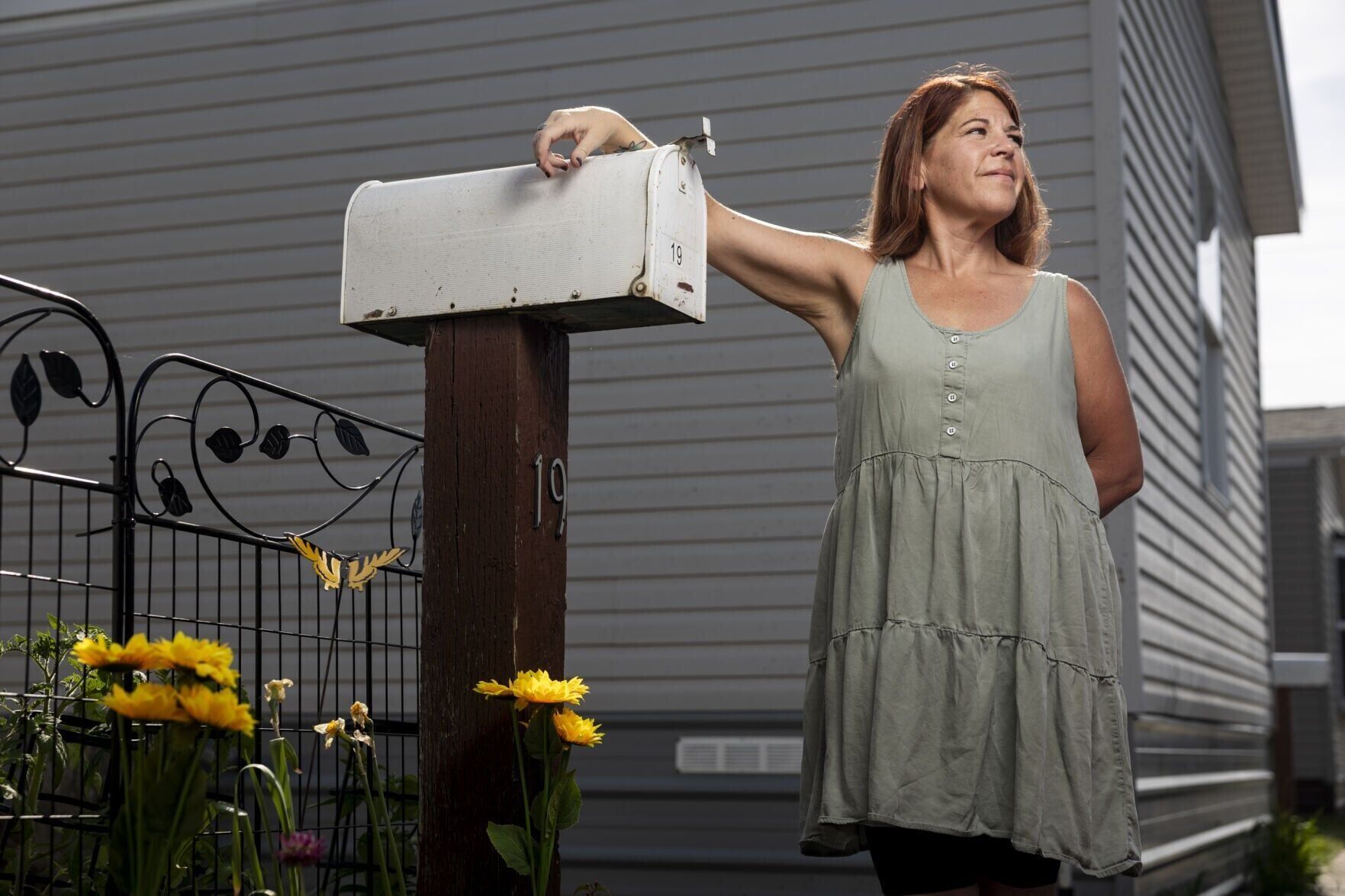
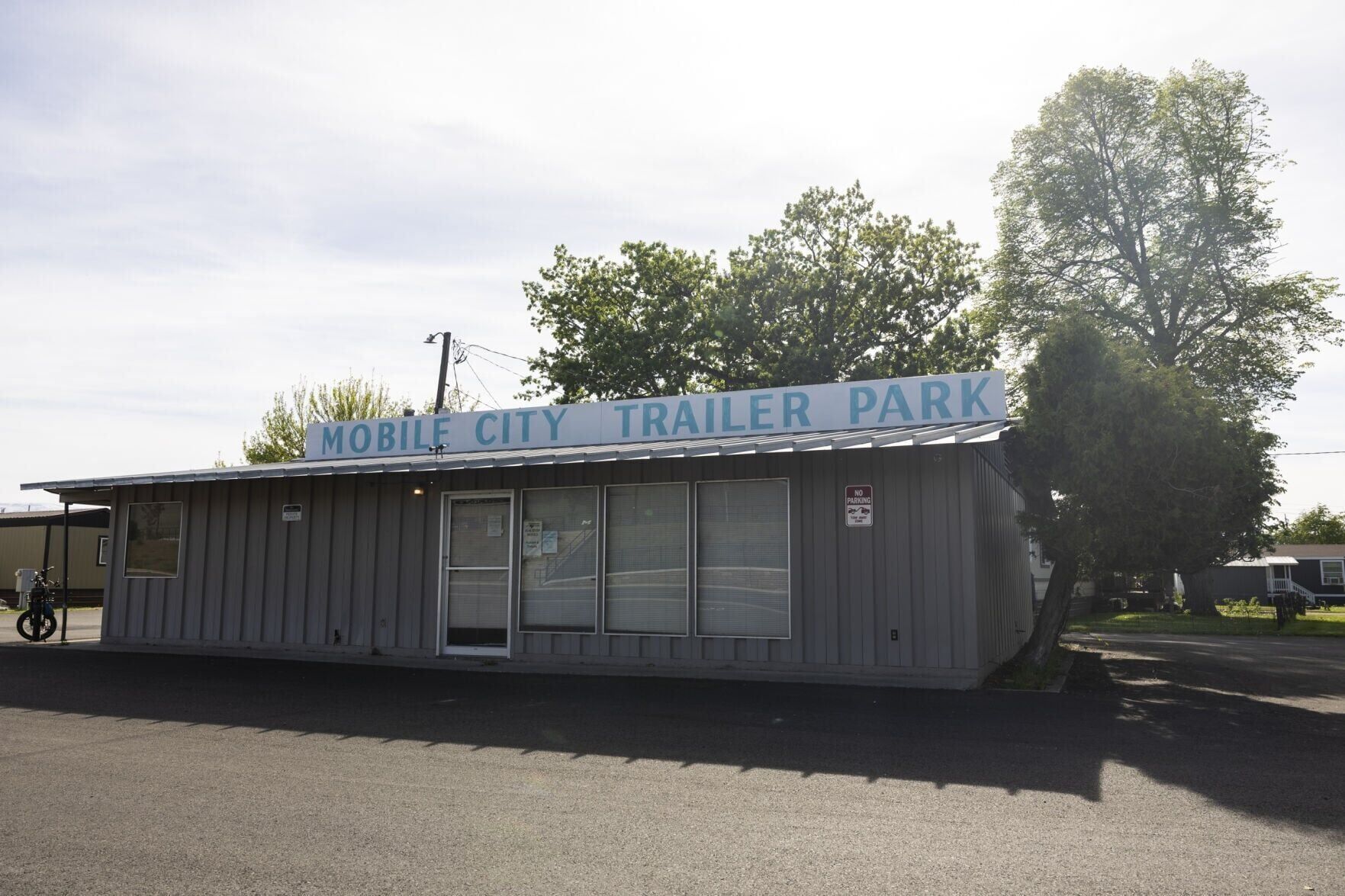
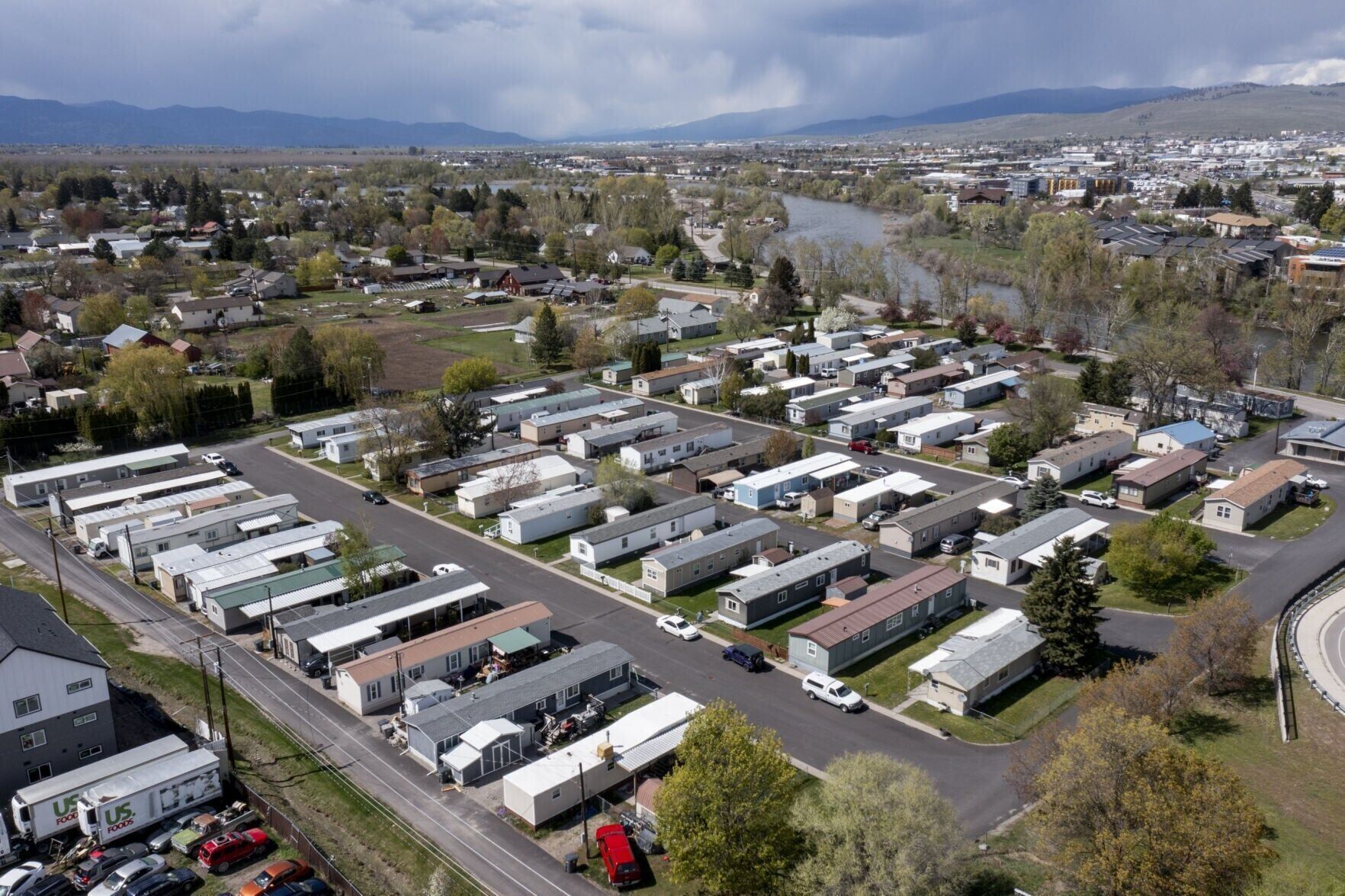
That's what happened to Brandi Hyatt and 60 of her neighbors in April. The Mobile City manufactured home community where they live near the Clark Fork River in Missoula was bought by a company called Axia Realty Partners, based in Texas. The news came out of nowhere.
"We were very much all caught off guard," she said. "We didn't even know it was for sale."
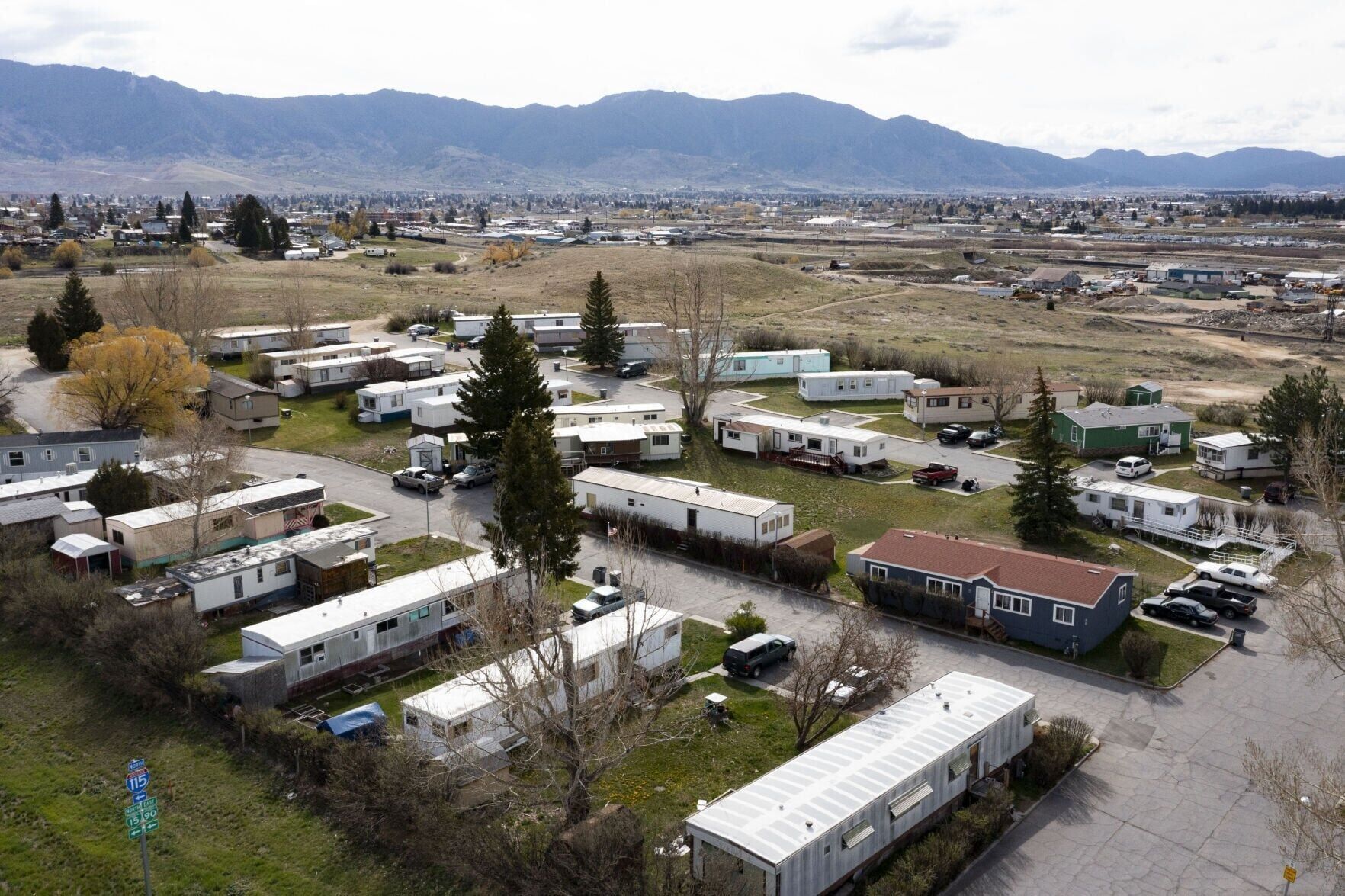
All across Montana, private equity firms are buying mobile home parks, making it clear that they see these low-income homes as a good investment opportunity.
At least 30 manufactured home communities, representing over 3,900 separate homes, are now owned by private equity firms in the state.
The Missoulian compiled this list using documents from residents, data provided by the nonprofit NeighborWorks Montana and a review of property records.
In Billings, at least 1,148 mobile home residents pay their rent to private equity. In Missoula, there's 965, and in Helena there's 683. For Butte, the number is at least 57, and even in Hamilton 32 residents live on land owned by an investment firm.
There could be more out there.
But residents in these communities are starting to take action. Some are pooling their money to buy the land before an outside investor can take over. Residents at many parks have formed tenants unions. In Bozeman, one mobile home court tenants union has organized the first rent strike in over 50 years as they protest rent hikes and a mysterious new landlord.
As for Hyatt, she and her neighbors are bracing themselves for what they believe is the inevitable rent increase, because that's what Axia Realty Partners implemented at another mobile home court in Missoula they bought last year. So far, nobody from Axia has personally responded to any of her questions. None of the private equity firms have responded to questions from the Missoulian.
She feels that lack of connection is purposeful.
"That's where my frustration lies, is they don't seem interested in actually meeting the people that live in the court, because then they have to have compassion, right?" she said.
Like Mobile City, many of these trailer parks in Montana were owned for decades by private, local property owners who then, in the last decade, sold to large, out-of-state investment firms. And investors in those companies expect a nice return on the money they've invested to help purchase the parks.
The new landlords are almost all limited liability corporations with names like Havenpark Capital Partners, Carlyle Property Investors, Grove Ventures Real Estate and Axia Realty Partners.
Carlyle Property Investors is a limited liability partnership registered in the Cayman Islands, according to its website. After they bought a manufactured home community in Bozeman, they rebranded it as "Timberline Ridge" with a slick new website, featuring stock photos of people mountain biking.
"Set in a vibrant university town and surrounded by majestic natural beauty, Timberline Ridge lets you choose your own pace each day while enjoying the best of both worlds — outdoor adventure and everyday convenience," the website states.
Grove Ventures Real Estate, a California firm that owns communities in the Bitterroot, Missoula and elsewhere in Montana, lists "cash flow generation" on its website.
"Our disciplined strategy and thorough investment process create value in our assets and generate superior risk-adjusted returns for our investors and partners," the website says in its "investment strategy" tab. "Our investor expectations factor into everything we do."
Grove Ventures has immediately raised rent on mobile home parks they've purchased in Montana.
Hyatt and her neighbors found themselves swept up in a pattern that's taking hold across the state, and she's worried that these investment companies are trying to make higher rents the "new normal" by having a larger market share.
"Most people that live in mobile homes don't have a lot of money, and I kind of just feel like they're targeting us," she said. "Does Montana want to get rid of all the poor people? Or do you want us all to live in the streets in motor homes? What's incredible to me is like, in a state that is so completely against outside interests and all that kind of stuff, they are allowed to run rampant on things like this."
Valuable target
George Nikolakakos, a Republican state lawmaker from Great Falls, is a former mobile home court owner.
He said he's noticed the trend of private equity firms buying them up, and he said the simple reason it's happening is they're a good return on investment.
"It used to be back in the day, they were all mom n' pop owned," he said.
But then private equity firms discovered mobile home courts, just like they did with multifamily apartment buildings and storage unit complexes.
"Some mobile home courts, they had the reputation of being kind of low rent, not something you wanted to talk about at a cocktail party," Nikolakakos said. "But that changed when people realized how lucrative they are. The cap rates (capitalization rate, meaning a potential return on investment) are great. There was one gentleman who said it was like owning a Waffle House where the customers are chained in the booth. There's nowhere else for the residents to go. And investors started realizing that."
Mobile home courts were once mostly owned by people who lived nearby and who knew the residents who lived there. Because of that, Nikolakakos said, they weren't aggressive on raising rent. And so when they went to sell, private equity firms smelled a deal.
"Folks were letting the mobile home courts go for prices that weren't necessarily full market value, and they hadn't pushed rents to what the market could bear," he said.
Once the firms took control, they realized they could nearly double the rent.
In Montana, Nikolakakos said he first noticed the trend of out-of-state investment firms buying up courts with 200 or more spaces. Then, they started going after courts with around 100 lots in the past decade.
"Now what you're starting to see is they're going after the 50-60 space parks," he said. "They're going for that next rung. Probably when you get under 50, there's not enough scale there for these companies, so those stay mom n' pop. But they can make the 50-space park work. And they're willing to be much more aggressive on rents. It's a natural progression. It's unfortunate for residents to get caught up in it."
Nikolakakos was a mobile home court owner in 2023 when he co-sponsored a bill with Rep. Jonathan Karlen, a Democrat in Missoula, that would have provided some moderate protections to residents if their park went up for sale. It would have given residents a 60-day notice of a rent increase, rather than a 30-day notice, and would have given them the option of signing yearlong leases rather than month-to-month.
The bill passed the Republican-controlled Montana Legislature, but it was opposed by the Montana Landlords Association and was vetoed by Gov. Greg Gianforte.
Financials
Kaia Peterson is the executive director of NeighborWorks Montana, a nonprofit involved in trying to help mobile home court residents pool their money to buy the land underneath their homes to stave off out-of-state owners. She echoed a lot of what Nikolakakos said about the trend.
"With the rapid escalation in home prices over the past five to 10 years, outside investors have identified manufactured home parks as properties with potential to yield high returns to owners," she explained. "Most manufactured home park properties in Montana are owned by local investors or legacy owners, many of which have not imposed regular or significant rent increases. Outside investors backed by private equity funds purchase these parks and rapidly increase rents and fees."
Investment firms aren't worried about people moving out to try to find other options. Even if residents want to move, it often costs around $15,000 to $35,000 to move a single-wide trailer to somewhere within 50 miles.
"Even if (raising rents) causes some amount of turnover in current residents, low vacancy rates and high cost of other types of housing across the market makes it difficult for current tenants to find better options and creates a ready supply of new tenants," Peterson said.
Just a few examples of Montana mobile home courts owned by private equity include:
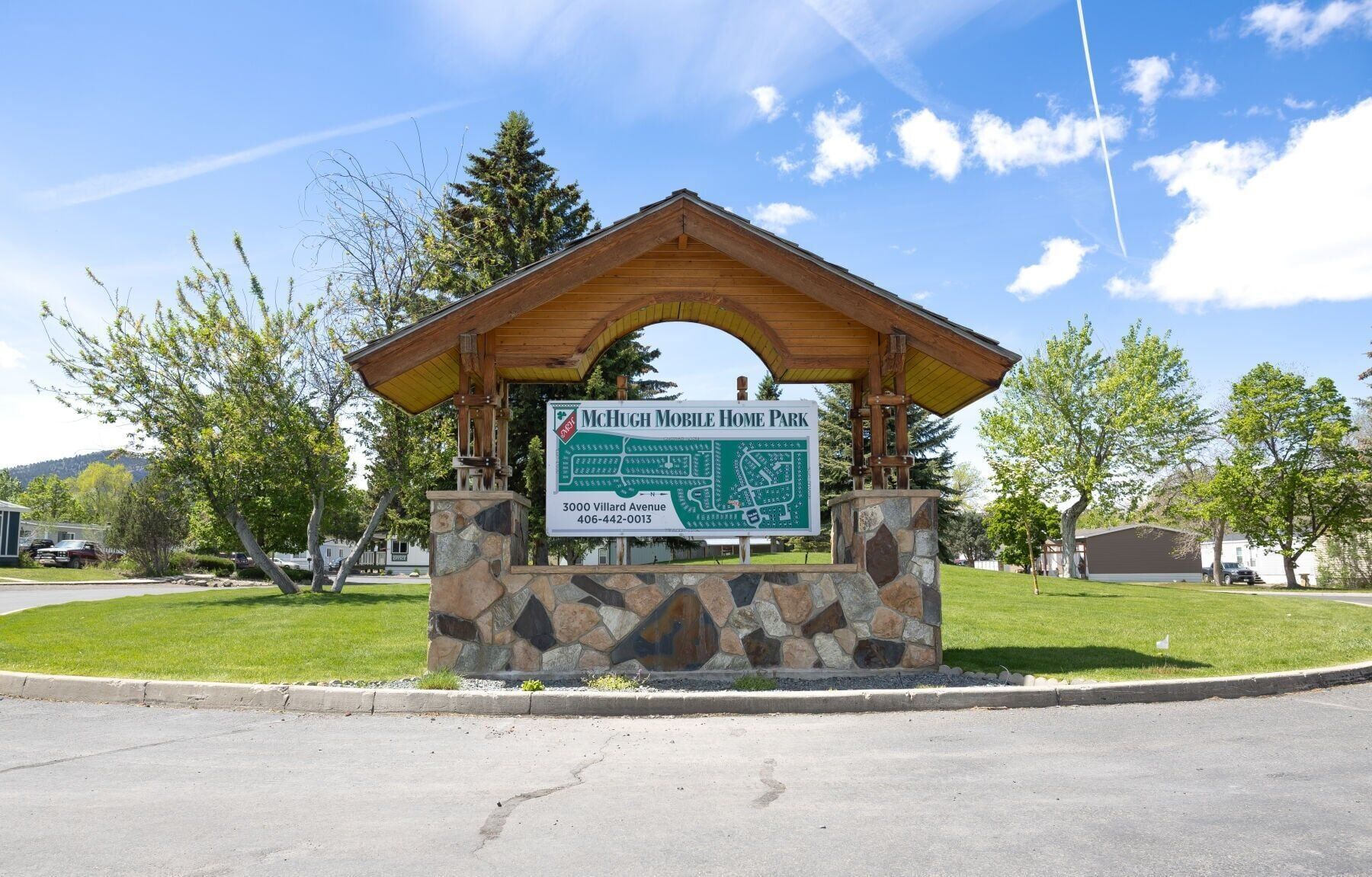
- McHugh Mobile Home Park in Helena, with 275 units, is owned by Goldside Capital LLC.
- Hillside Village Mobile Home Park in Billings, with 244 units, is owned by Axia Realty Partners.
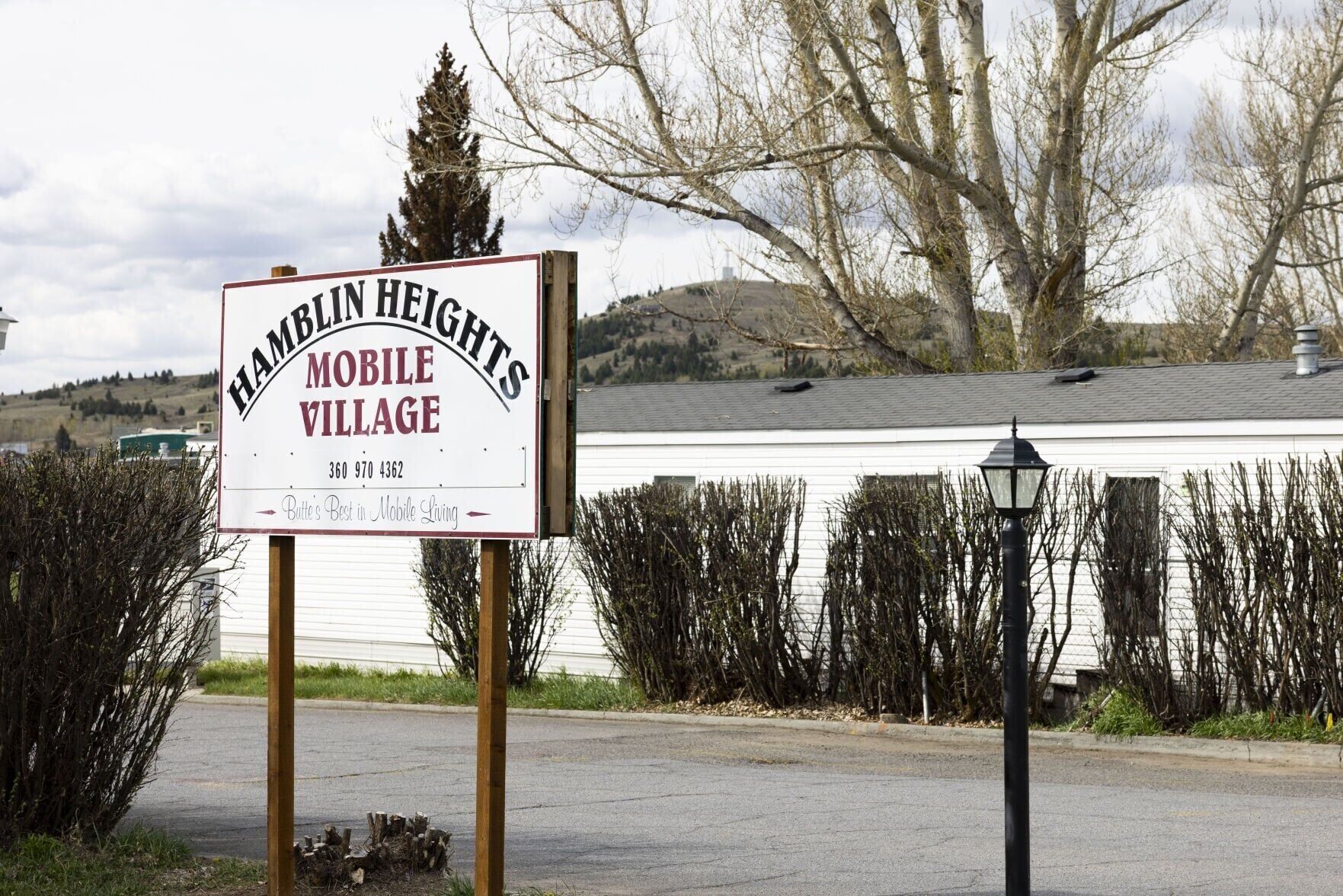
- Hamblin Heights mobile home court in Butte, with 57 lots, is owned by Hurst and Son LLC, which owns other parks across the state.
- Travois Village in Missoula, with 282 units, is owned by Oak Wood Properties of Texas.
- Big Sky Village in Hamilton, is owned by Grove Ventures LLC, based in California. The company owns mobile home courts all over Montana and the United States.
Tenants unions
At many mobile home courts that were recently purchased by out-of-state investors, rents have gone up at a much higher rate than they did under previous owners. For example, at Travois Village and Harvey's, both in Missoula County, their new landlord Oak Wood Properties raised lot rents from $325 in 2023 to nearly $800 in 2025.
Many mobile home residents have said that it's practically impossible to move their homes, and even if they could, there's very few available lots.
Residents at a few of the communities across the state have formed tenants unions, with the goal of pushing back against rate hikes.
In Missoula, residents of six separate mobile home parks have either formed tenants unions or are in the process of working with the Missoula Tenants Union. At Travois and Harvey's, they've secured seven concessions from their landlord, including an agreement to hold discussions with NeighborWorks about selling Harvey's to the residents.
At Katoonah Lodges, the tenants union is launching this Thursday. After the court was purchased by Axia Realty Partners, which also does business as Axia Investments, rents went from $550 to $745 in just over a year.
"When senior residents bought homes in Katoonah Lodges Mobile Home Park to live out their lives in, they never imagined the land under them would one day be owned by Axia Investments," said a statement from the Katoonah Lodges Tenants Union. "Despite repeated attempts to introduce themselves to residents as a 'small company,' Axia Investments owns a portfolio consisting of six mobile home parks in Montana, as well as mobile home parks in Texas, Wyoming and Colorado. Axia has a track record of raising rents in the name of 'infrastructure improvements' that residents do not want and cannot afford."
Simon Dykstra, the co-chair of property organizing with the Missoula Tenants Union, said trailer parks have been "one of the last bastions of affordable housing."
"For the past five years, large, out-of-state, private equity firms have been buying up local trailer parks across Montana and using them to squeeze as much profit out of tenants as possible," he said. "Without fail, these firms, such as Oak Wood Ventures out of Dallas, increase rent by untenable amounts for the working class people that live there."
He said residents are left with few options, and as more and more are bought up, there's fewer to choose from that still have low rents.
"Mobile home residents are being backed into a corner, what the investors at Mobile Home University call, 'captive tenants.' These are tenants that can't move due to the cost and are thus forced either onto the street, or to sacrifice key necessities such as medicine and childcare in order to pay for rent," Dykstra explained.
He said that across Montana, tenants have been scoring wins with the help of tenants unions.
"Instead of stomaching the forceful hand of these firms, many tenants have chosen to organize and fight for themselves and their neighbors," he said. "Tenant unions have been providing a key helping hand in the fight for affordable housing. These unions, such as the Missoula Tenants Union, rally the help of city-wide tenants experienced in organizing to provide leadership development and strategic input for mobile home residents. This process recruits and trains mobile home residents to become leaders in their own right, which makes the movement for housing justice even stronger."
Resident purchase
The resident-owned community option comes with challenges, but Peterson said it's a good long-term deal.
"Even with resident purchases, lot rents have to increase significantly to cover the costs of operating and debt," she said. "However, with resident ownership the rent increases are transparent and can be phased in to give residents time to adjust to higher costs. Residents accept the tradeoff of higher rents now in order to gain control of the property and secure more affordability long-term."
Typically, she noted, resident-owned communities are paying below-market rents within five years of the purchase.
"Resident ownership offers a win-win solution," she said. "Sellers get a market-rate return on their property and residents gain long-term affordability and stable housing for themselves and future residents."
Nikolakakos said he sold a mobile home court in Butte and offered the residents a chance to buy it.
"They turned it down," he recalled. "They organized and took a vote. It would have required them to raise rent by $100 a month to make it happen, and they didn't want to do that. But since (the new owners took over) rents have gone up $250. I try to tell folks it's a good deal. You see that with ROCs over time. Rents start to fall further and further below market. In the first few years, they're a little high, but 10-15 years down the road they're at a half or a quarter of market rent. It's a great program."
Feeling the squeeze
Hyatt said many of her neighbors are elderly or live off federal disability payments, meaning they don't have much room in their finances to absorb a big rent increase. Last year, before the private equity firm bought their mobile home court, they got a rent increase of $100 to make their monthly lot rent $525.
"The lady behind me gets $800 a month on disability," Hyatt said. "What's she gonna do if rent goes up to $800 a month. And a lot of trailers here are too old to move. She can't move, and there's really no options for low-income apartments for less than what she's getting (from disability). She's looked into it."
If the rent goes up more, which they all believe it surely will, they have hard decisions to make.
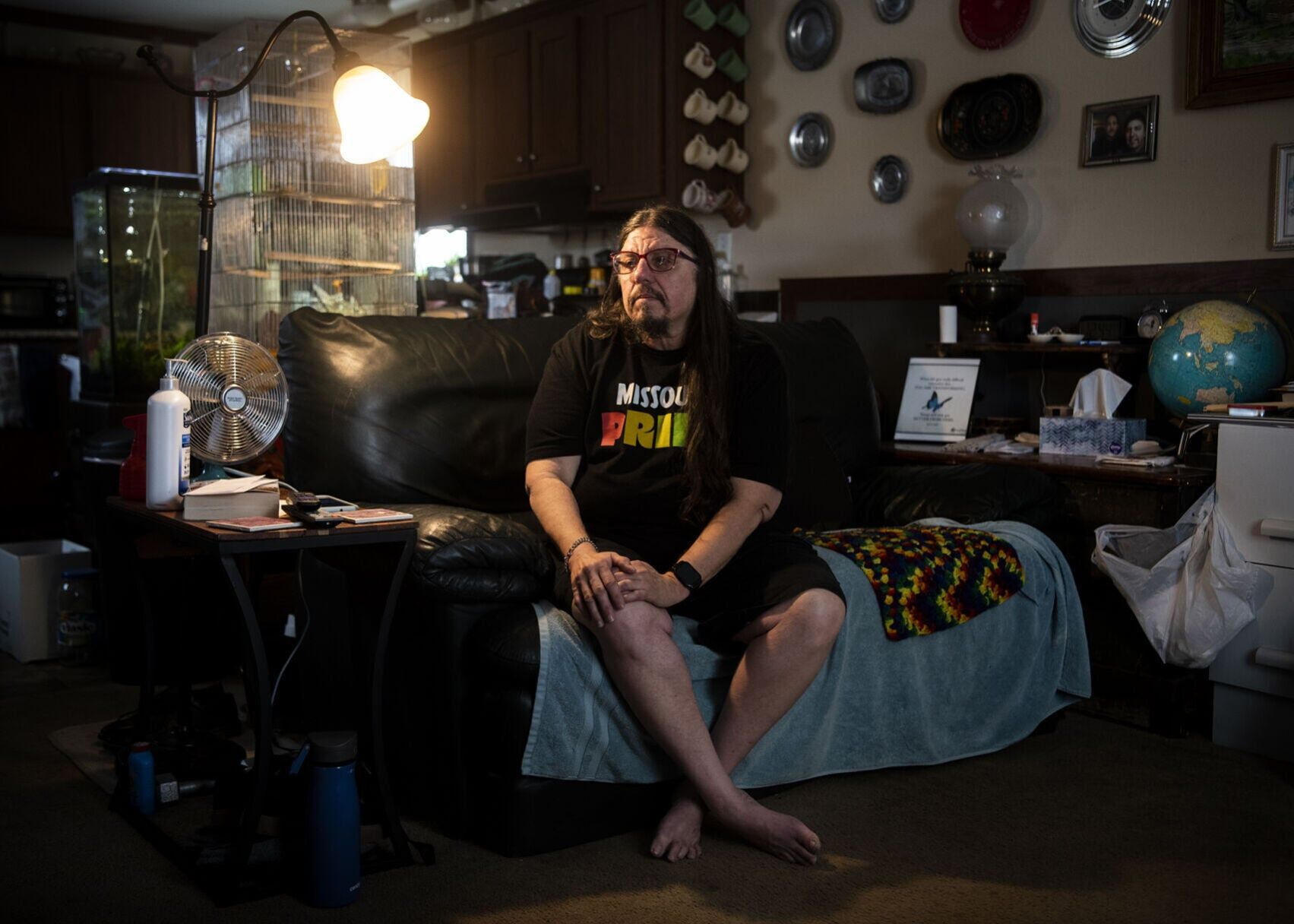
Vicki Reynolds, a resident of Katoonah Lodges, was succinct in expressing her feelings about the new landlord.
"They're gouging us," she said.



Comments ()