
Council approves land sale for 'monumental' $100 million Missoula Midtown development
A massive $100 million development near Southgate Mall will move forward after Missoula City Council sold 15 acres of land to a private developer to build hundreds of market-rate homes late Monday night.
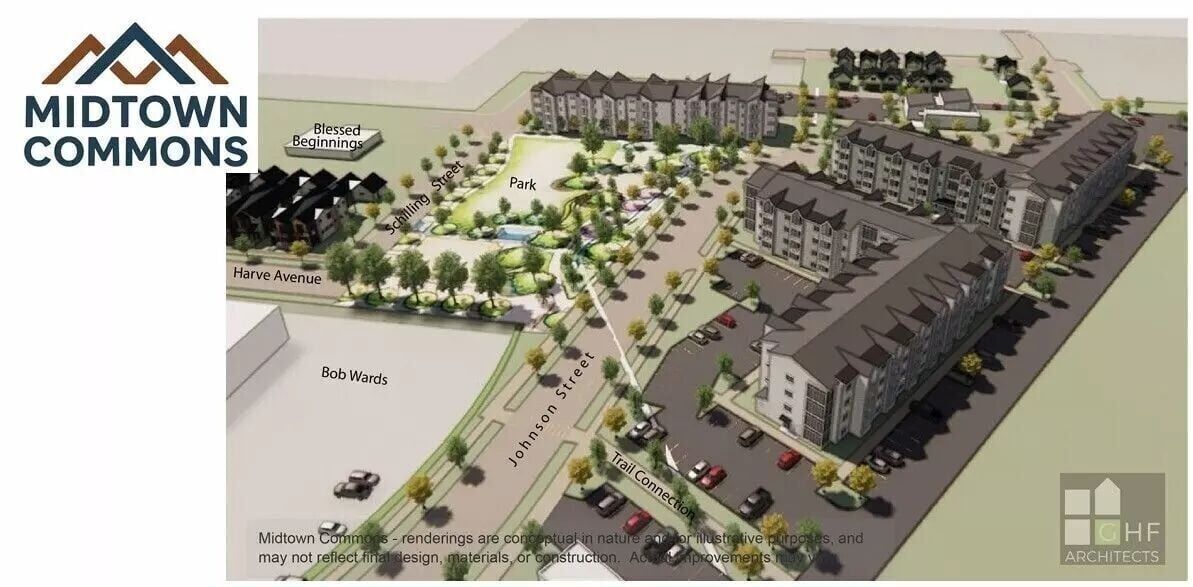
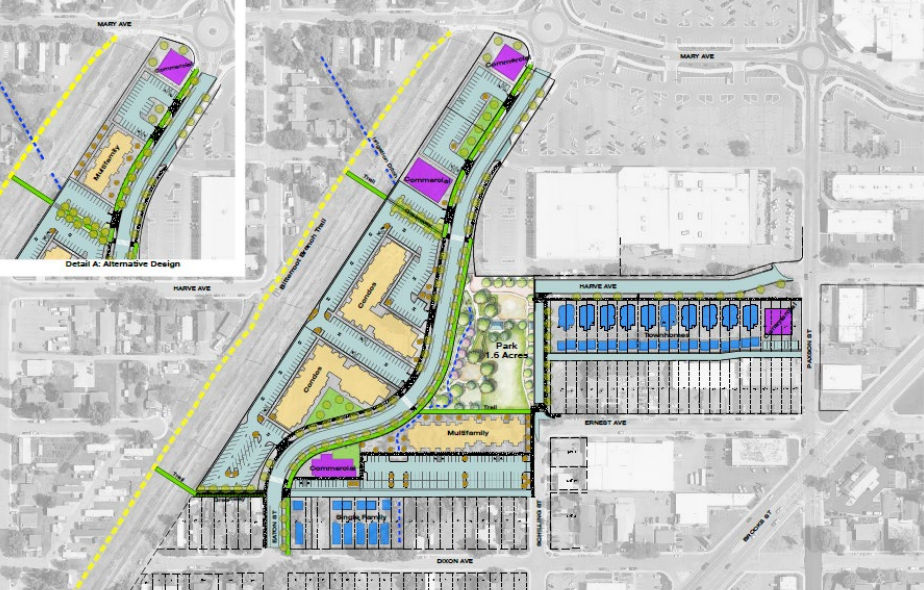
The Midtown Commons development could begin breaking ground as soon as this summer, with a plan to deliver 225-250 units of single-family homes, townhomes, condos and rental apartments in the next seven years.
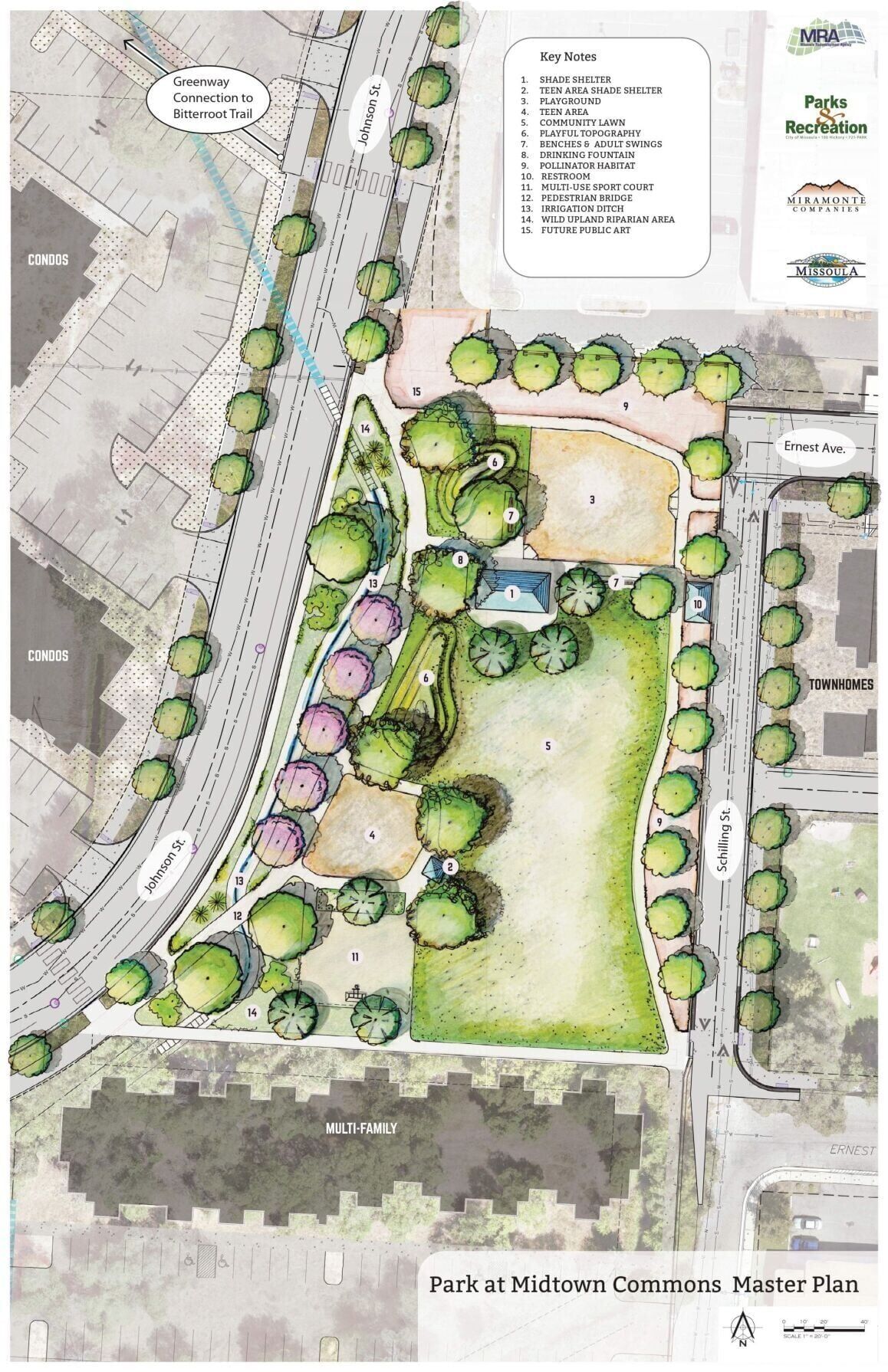
The public-private partnership also includes $10.9 million in Tax Increment Financing to build out city infrastructure like streets and utilities, and includes a 1.6-acre public park that will eventually be deeded to the city.
"We are going to build a new neighborhood in the middle of town as a result of the scale of this project," Missoula Mayor Andrea Davis said after the approval. "That is a really monumental achievement for where we are, so I am really excited to see this move forward."
Under the agreement, the developer, Miramonte Companies, will pay back $5 million of the public infrastructure costs, and build out the site by 2033, although design and construction details still need to be sorted out.
The council voted 10-2 to sell the land, with councilors Kristen Jordan and Bob Campbell in opposition. Ward 6 Councilor Sean McCoy voted for the land sale, but opposed the proposal's development agreement, which passed 9-3.
The vote followed a five-hour meeting that got heated during public comment.
The discussion on the proposal hinged on adding new housing for Missoula residents, which councilors said is desperately needed in the area, but the neighboring residents warned the development would eliminate open space and the natural feel of the area.
City Parks and Recreation officials said at previous meetings many of the existing trees on the property are nearing the end of their lives, and the existing vegetation would likely be razed for the new development and more developed park space.
"This plan will drastically reduce green space in an area of town already deficient," resident Sarah Giuliani said. "Why is this lower-income, working-class community who have been funding the (Missoula Redevelopment Agency) for 26 years getting shortchanged?"
One neighbor was removed from the meeting during the public comment process after calling the proposal "f***ing bulls***" during another person's public comment.
The land is not open space and was privately owned for decades, although easily accessed by the neighborhood. The city purchased the land in December 2024 for $5.88 million, and also purchased an adjacent 2.3-acre parcel on Monday that will be conveyed to the developer.
Combined with an additional land purchase nearby, the city sold 15 acres of land to Miramonte Companies for $7.2 million. The land sale revenue will go to the city's Affordable Housing Trust Fund.
Councilors said they largely approved the development to boost the city's housing supply while also building out a well-planned neighborhood with park space and new street connections.
"I know it is going to change, but I am also hopeful in the long run by the time it is all done, the park is built and the connectivity is established, there's a new community established there and it will be a good thing," Ward 3 Councilor Gwen Jones said.
Miramonte Companies, an Arizona-based homebuilder with a growing Montana portfolio, plans to build out 20 townhomes in phase one of the project. Later phases will include the condos, apartments and single-family homes.
City Council President Mike Nugent worked with city staff to make an amendment to the proposal that requires the new units be owner occupied for the initial two years of the development.
Jordan also proposed amendments seeking to preserve some of the existing trees the developer plans to remove, withhold some Tax Increment Financing until the proposal is closer to the construction phase, and use a different site plan that was initially proposed to the city in 2025. All the changes failed during the meeting.
Miramonte can now begin the administrative building process to continue the development, although an additional public meeting is required to alter the land's easements for roadways and pedestrian trails.
The sale falls into a larger strategy from Davis to redevelop several city properties for different housing choices. She said the city is seeking to build different types of housing for different incomes.
"This mosaic approach allows us to meet a whole host of different city goals on different city projects," Davis said, noting new tax revenue from Midtown Commons would help fund a low-income rental property proposal called Franklin Crossing.
Ditch questions remain
While the council approved the land sale, both the city and Miramonte must secure approval from the Missoula Irrigation Company to reroute a ditch on the property, which would run through the new city park and require the removal of several trees.
City Chief Administrative Officer Dale Bickell said conversations are ongoing with the company.
"Should council approve this, more design happens, more approvals happen," Bickell said, noting the city's planning department must approve building permits as well.
Ditch companies and boards have supremacy rights for most land under Montana state law, according to city attorney Ryan Sudbury, meaning the company must sign off on any changes to the land.
Representatives for the ditch company told the council last week they are supportive of the project, but worry rerouting the ditch to sit within the public park could create a public safety concern.
Nugent noted the irrigation company has had the right to cut down the trees on the property for decades, as well as the right to culvert the channel to prevent possible accidents.
Opposition
Campbell said he opposed the land sale because the city should not be involved in real estate developments, while Jordan said she opposed the work because of the project specifics.
Campbell previously voted against purchasing the land in December 2024. He said the city should allow the private sector to create new market-rate housing, as the city won't have control over the final price.
"We hope for the best, we hope for something that could hit that missing middle for housing, but there is no guarantee in the development agreement," Campbell said.
Jordan said she would have liked to see more work go into preserving the existing trees on the property and other securities like having a plan for the irrigation ditch.
She said she is not opposed to private-public partnerships, but wanted a more robust public engagement process for the land sale. The final documents were published by the city about two weeks before the Monday night approval.
Councilor McCoy said he supported the plan to add housing in the area, but opposed the development agreement because the city could have required a larger park space.
The 1.6-acre park is smaller than recommendations outlined in city planning documents, McCoy said, and the area will likely need more parkland as the city grows for the next 50 years.
"This area is going to grow a lot, and the more park that we can create, the more that we can alleviate the people coming here," McCoy said. "... I do not feel like we did a good enough job."
Several other councilors said they shared concerns over losing the natural space, known by neighbors as "the grove." But to make new housing possible in the area, the city has to prioritize infill development, Ward 4 Councilor Amber Sherrill said.
"Fortunately or unfortunately, I also believe this is an ideal place for housing, and an ideal place for a developed community park, as well as roads and trail connections," Sherrill said. "We are constantly trying to thread the needle ... in my opinion, this project does that, maybe not perfectly, but it does offer balance."
The council will meet on Wednesday, May 20, for two morning committee meetings.



Comments ()