
'Death by 1,000 cuts': threats and solutions to habitat fragmentation
Hillary Rosner passed three dead ungulates in the span of a few miles along I-90 as she drove from Missoula to Bozeman for her book tour.
Ever since she started reporting on “Roam: Wild Animals and the Race to Repair Our Fractured World,” Rosner said her perception of the world has changed.
“I’ve started to see the world through the eyes of other creatures, and I’ve been trying to think about what different barriers and different human infrastructure look like from their point of view,” Rosner said.
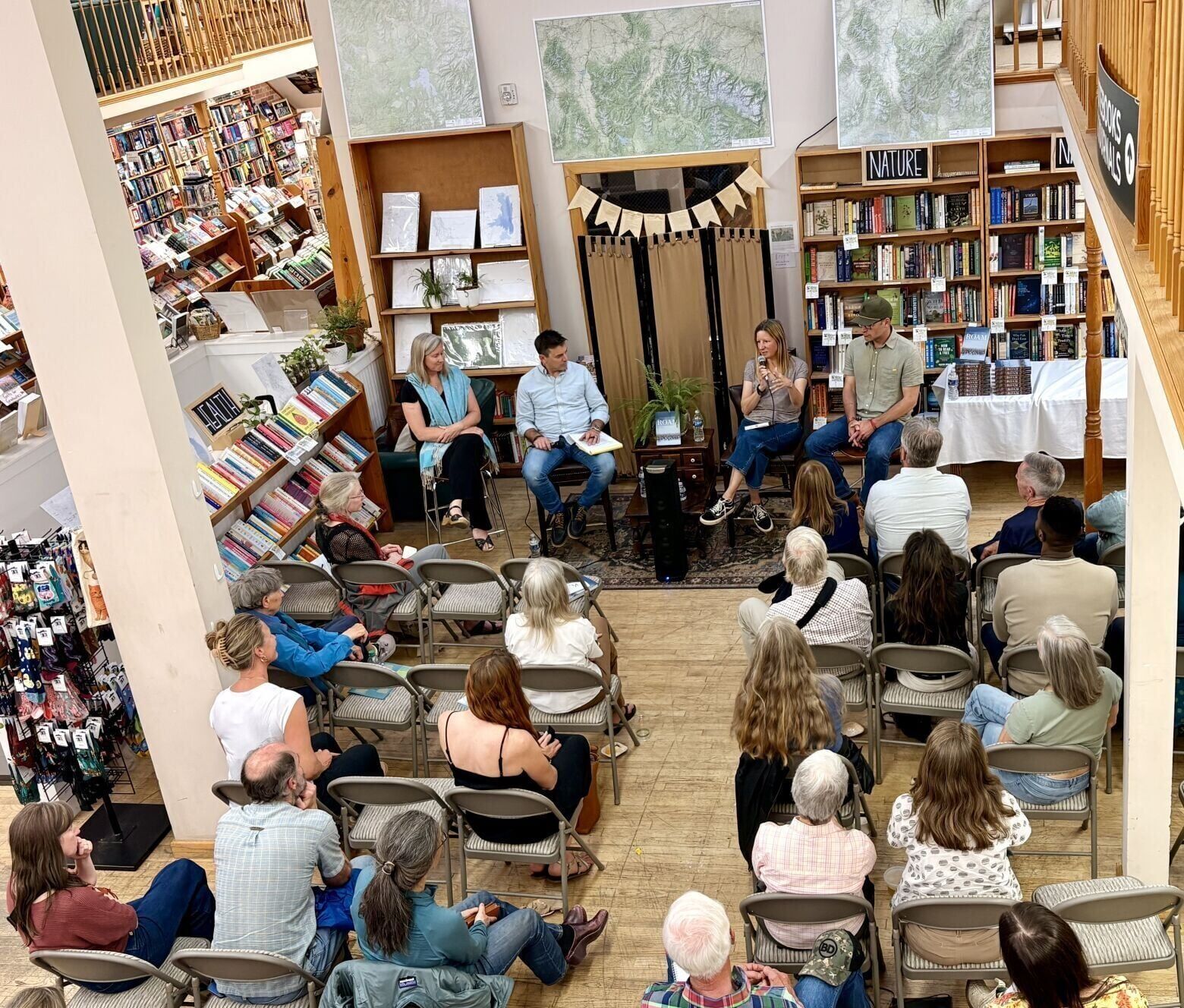
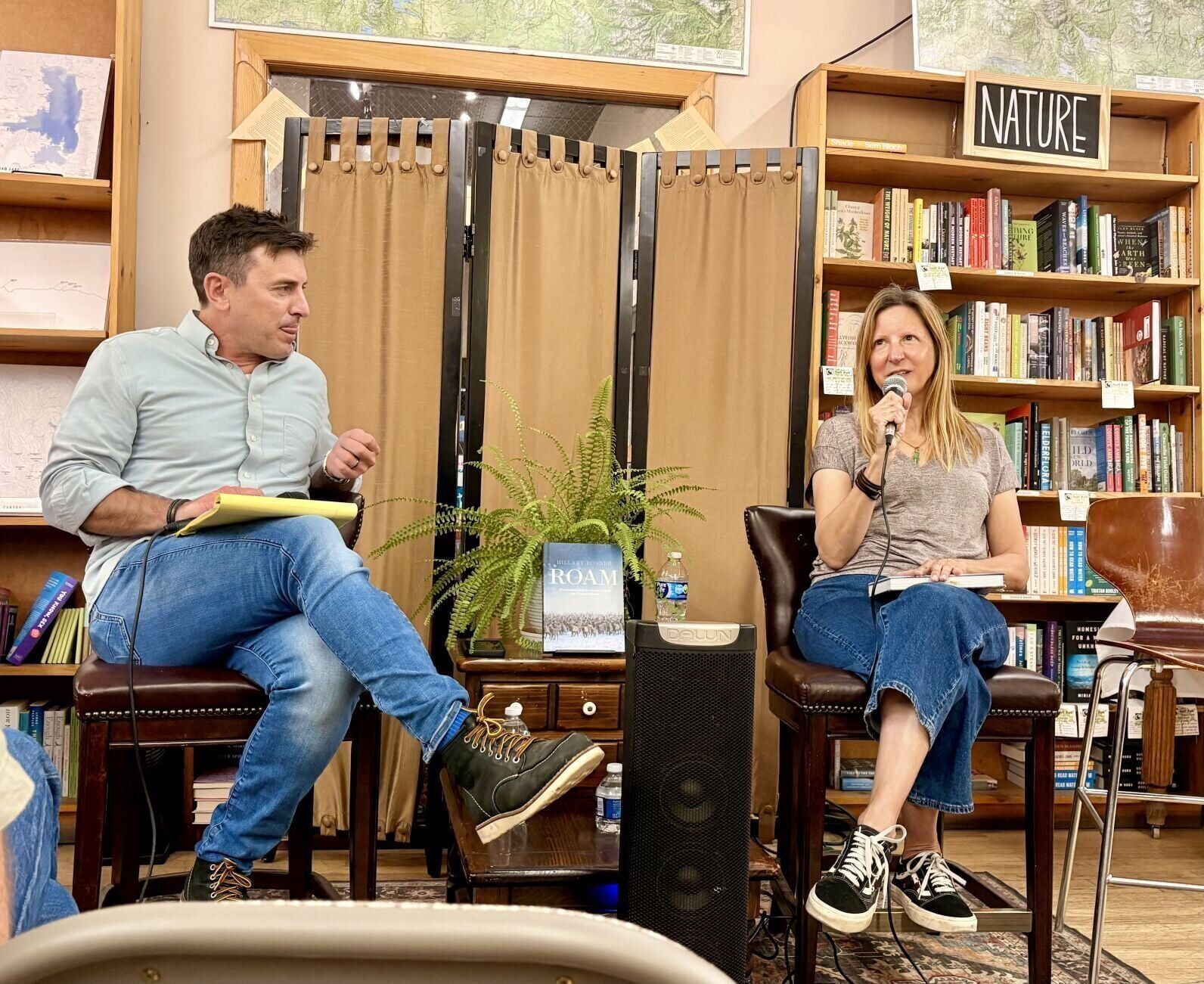
Rosner addressed a crowd of over 50 at The Country Bookshelf in Bozeman in conversation with Mountain Journal Managing Editor Joseph T. O’Connor, Center for Large Landscape Conservation Chief Strategy Officer Deb Kmon Davidson, and Yellowstone to Yukon Senior Outreach Specialist for Wildlife Passage Daniel Anderson.
The group discussed disruptions and solutions regarding wildlife connectivity in Montana, the Rocky Mountain region, and across the world.
In Roam, Rosner describes connectivity as “the circulatory system of nature.”
“We use this term quite frequently in our work,” Davidson said. “But I would add that when circulation is cut off in the system of nature by roads and human development, the circulatory system of nature and biodiversity can suffer greatly.”
During the reporting process for Roam, Rosner traveled the country and globe, following the migration patterns of ungulates, herbivores and predators as they move through a rapidly human-modified world.
“My biggest fear is that we just keep chipping away at the undeveloped spaces that are left until there’s nothing left,” Rosner said. “Death by 1,000 cuts. We don’t think about things on a landscape-wide scale. One parking lot here, one new road there — we’ll just pave until there’s nothing left.”
Despite the threats of rapid development, Rosner wrote Roam to be hope inspiring.
Understanding the root of the problem is the key to finding a solution, Rosner said. It was among the people working to tear down fences, conserve undeveloped land, and encourage wildlife connectivity across the globe that Rosner found inspiration.
“It can be hard right now to feel hopeful about many things, but particularly conservation,” Rosner said. “I felt a lot of hope reporting this book, going out into the world and seeing all these people who are hopeful because they are actually doing something to help.”
In addition to inspiring hope, Rosner said her purpose in writing Roam was to bear witness to and tell the stories of perseverance and degradation occurring simultaneously worldwide.
“It’s so important to document what’s going on,” Rosner said. “These issues are things that, once we put them on someone’s radar, they realize the significance, but it’s not something they necessarily think about in their daily lives.”
Connectivity extends beyond animal movement patterns, Rosner said. In what she has termed “umbilical connectivity,” she explores the human relationship with the natural world.
“If we don’t feel a connection to the natural world, then we can’t really see why we need to protect it,” Rosner said.
For Rosner, one of her most visceral connections with the natural world came from her backyard in Boulder, Colorado.
“I’ve become a real bird lover in the last few years, and I’ve become a real lover of the birds living in my own backyard,” Rosner said.
Since reporting Roam, Rosner has found an appreciation for common species that are often ignored and dismissed, including magpies.
Over the last few years, Rosner has developed an affinity for a particular club-footed magpie she has named Sam. When she works outside, Sam will land on her picnic table.
“It’s been really meaningful and wonderful,” Rosner said.
For Rosner, it’s the little moments, spending time with people who are devoted to their work, afternoons with Sam and chasing stories she finds meaningful — that make her career as an environmental journalist fulfilling.
“As an environmental journalist, there are definitely points where I’ve thought, ‘Is there something else I can do? Is this making a difference?’” Rosner said. “But there’s nothing better than being out in the field with scientists who are doing work they’re passionate about, and being able to document it and find ways to bring those stories to the public.”



Comments ()